
Meaning of Year of the Cat Al Stewart
The meaning of Year of the Cat Al Stewart often comes down to one vivid idea: a traveler steps into a strange, romantic moment and lets it change the course of a day, and maybe more than that. The song feels like a movie scene, but it also hints at fate, temptation, and the thrill of losing control.
"Year of the Cat" - Al Stewart
In a country where they turn back time
You go strolling through the crowd like Peter Lorre
Loading lyrics...
Unable to load lyrics
We're unable to display the lyrics at this time. Please try again later.
Released on Stewart’s 1976 album Year of the Cat, the track became his biggest U.S. hit, reaching No. 8 on the Billboard Hot 100. It was co-written by Al Stewart and Peter Wood, and the famous recording was shaped by producer Alan Parsons. Those facts matter because the song’s meaning is inseparable from its elegant, cinematic sound.
A Traveler Lost Inside a Dream
At the story level, the song follows a tourist-like figure moving through an old-world setting. The opening frames the scene like a film, with a Bogart movie
and the shadow of Peter Lorre. That does two things at once: it places the listener in a foreign, slightly dangerous world, and it tells them this story may run on mood more than logic.
Soon, a woman appears almost as if she has been painted into the scene. Stewart describes her arrival with soft, fluid imagery, and the listener is not given a practical explanation. Instead, the refrain year of the cat
becomes the answer she gives, which makes the whole encounter feel mythic rather than ordinary.
Interpretation: They can hear this as a story about surrendering to a powerful attraction. The narrator figure is not forced exactly; instead, he stops resisting the pull of mystery.
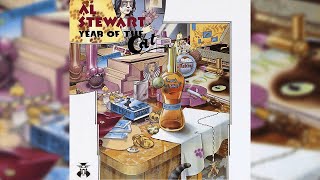
Watch the official Year of the Cat
music video
How the Lyrics Build Mystery
One reason the song lasts in popular memory is its careful use of uncertainty. The woman does not explain herself, and the setting keeps shifting between romance and danger. A line like locks up your arm
suggests intimacy, but it also shows how quickly the traveler loses independence.
Then the song moves deeper into a maze of sensation: markets, blue tiles, incense, patchouli, and hidden doors. These details create a place that feels sensual and unreal at the same time. Rather than giving a clear moral, Stewart lets the listener drift through the scene.
That is why the lyric about having lost your ticket
matters so much. By morning, the traveler has missed his previous life, at least for now. The missed bus is literal in the story, but it also works as a symbol of a choice not taken.
The Chorus as a Spell
The title phrase is never fully explained, and that is part of its power. Stewart reportedly found the title through a Vietnamese astrology book, where the Year of the Cat appears in that zodiac system rather than the rabbit found in Chinese astrology. In factual terms, that explains the phrase’s origin. In artistic terms, it gives the chorus a mystical charge.
Interpretation: In the song, year of the cat
seems to mean a season when normal rules fade. It marks a suspended moment when a person follows instinct, desire, and atmosphere instead of plans.
Because the chorus avoids plain explanation, it keeps the song open. Some listeners hear romance. Others hear seduction, illusion, or even a warning about how easily people abandon certainty for beauty.
Where the Song Came From
The history behind the track helps explain why it feels so layered. According to reporting by American Songwriter, the music began as a wordless piano idea played by Peter Wood during soundchecks, and Stewart later built lyrics around it. The song took years to finish, going through earlier abandoned concepts before Stewart finally found the right entry point.
That entry point came when Casablanca was on television. Stewart has said the film unlocked the opening verse and gave him a way into the song’s atmosphere. So the references are not random decorations; they are the doorway into the whole narrative world.
Why the Sound Matters So Much
The production is a huge part of the song’s meaning. The album version runs about 6:40, and more than four minutes involve instrumental passages or solos. That length allows the song to breathe like a film sequence instead of a tight radio single.
The piano intro, acoustic guitars, strings, and later saxophone all deepen the sense of travel and enchantment. The arrangement moves with patience, as if the listener is being led step by step through an unfamiliar city. When the saxophone enters, it adds warmth and late-night sophistication, making the song feel even more adult and dreamlike.
This is where Alan Parsons’ production matters most. Rather than crowding Stewart’s vocal, the track leaves space around the story. The music becomes part of the seduction, echoing the way the traveler is slowly drawn off course.
Two Strong Readings of the Song
There is no single official explanation for every image, but two readings are especially persuasive:
- A romantic escape story. A traveler meets a magnetic woman, misses the bus, and chooses one more day inside a fleeting affair.
- A song about temptation and surrender. The plot is less important than the emotional shift from control to abandon.
Both fit the details. The ending is especially telling: the traveler knows he will leave someday, but for now, he stays. That mix of awareness and surrender gives the song its bittersweet core.
Why It Still Connects
Part of the meaning of Year of the Cat Al Stewart is that it captures a feeling many people recognize: the brief moment when life turns because someone, somewhere, changes the script. The song does not argue that this is wise. It simply shows how beautiful and disorienting such moments can be.
Its success proved that listeners responded to that mystery. The single reached the U.S. Top 10, and the album became a major breakthrough for Stewart. Nearly fifty years later, the song still invites people into its half-lit world.
Disclaimer: This interpretation mixes documented background with informed reading of the lyrics. As with most poetic songs, some meanings remain open to the listener.







