Why 'Roll On' Hits Harder Than a Truck Song
The meaning of Roll On (Eighteen Wheeler) Alabama goes far beyond trucks, highways, or radio-friendly country hooks. The song is really about separation, fear, and the routines families build to survive hard work and uncertainty. Alabama turns a road song into a home-front story, which is why it still lands with so many listeners.
"Roll On (Eighteen Wheeler)" - Alabama
Roll on highway, roll on along
Roll on daddy till you get back home
Loading lyrics...
Unable to load lyrics
We're unable to display the lyrics at this time. Please try again later.
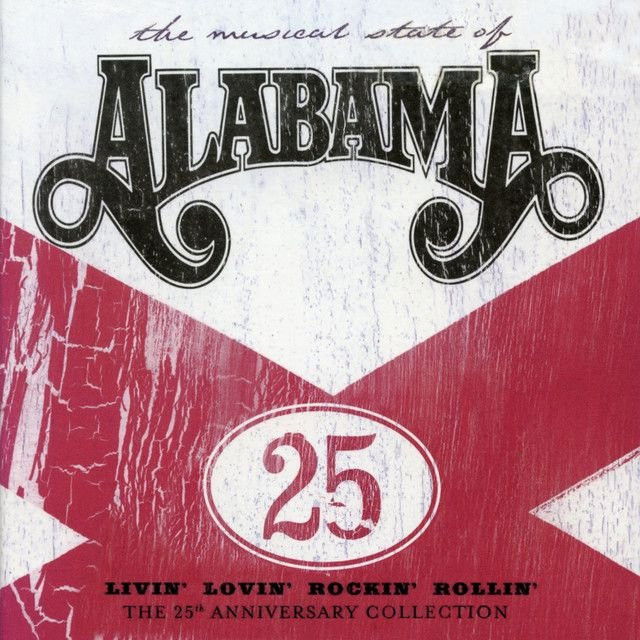
Released in 1984 as the title track from Roll On, the single was written by Dave Loggins and produced by Harold Shedd. It became Alabama’s 12th straight No. 1 on Billboard’s country chart, a sign that its emotional story reached well beyond truckers alone. Those basic release facts are widely documented in standard reference sources on the song and the band.
A Highway Story Told From the Kitchen Table
On the surface, the plot is simple. A father leaves for a long-haul run, his wife and children miss him, and then a terrible phone call suggests something has gone wrong on the road. The family waits through the night until they finally learn he is alive.
What makes the song strong is where it places the emotional weight. Even though the father drives the eighteen-wheeler, the drama mostly unfolds at home. The wife waiting by the phone and the children asking when he will return give the story its heart.
That is why the repeated line roll on daddy
matters so much. It is not just a catchy refrain. It is the family’s way of pushing time forward until they can be together again.
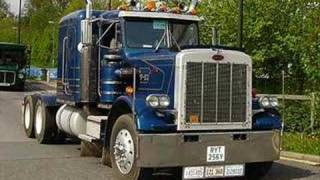
Watch the official Roll On (Eighteen Wheeler)
music video
The Real Theme: Work, Risk, and Love
A lot of country songs praise labor in broad terms, but this one gets specific. The father’s job is necessary, and the family respects it, yet the song never romanticizes the danger. The road is tied to income, duty, distance, and risk all at once.
Interpretation: the song suggests that blue-collar work is both honorable and costly. The truck keeps goods moving, but it also takes a parent away from home. That tension drives nearly every scene.
The phrase eighteen-wheeler
becomes more than a vehicle. It stands for the whole life built around that job: long miles, bad weather, phone calls at night, and a family trying to stay hopeful.
How the Plot Builds Its Emotional Punch
The song works because it unfolds in clear stages:
- He leaves on Monday.
- The family uses the song to cope with missing him.
- A midweek call reports a wreck in Illinois.
- Search efforts stall in dangerous weather.
- The family prays and waits.
- The final phone call brings relief.
That structure makes the listener feel the same rising worry as the family. Early on, Alabama presents absence as sad but normal. Then the report of a jackknifed rig changes the mood instantly.
roll on highway
till you get back home
In context, those words start as encouragement. Later, they sound like a plea. The same chorus gains new meaning because the family’s fear has changed.
The Chorus as Comfort, Prayer, and Ritual
One reason the song lasts is that its chorus does three jobs at once. First, it is memorable enough to sing with. Second, it gives the children something concrete to hold onto. Third, it becomes a form of prayer.
When the family keeps singing, they are not ignoring reality. They are trying to endure it. The line roll on momma
hints that the father taught them how to stay strong while he was gone. In that sense, the chorus is emotional training passed from parent to child.
Interpretation: this is why the song feels bigger than its plot. It shows how ordinary families create small rituals to fight helplessness.
Why Alabama’s Sound Sells the Story
The production helps the meaning land. Alabama was known for blending traditional country details with a polished 1980s band sound, and that balance matters here. The steady rhythm suggests the ongoing motion of the road, while the warm harmonies keep pulling the song back toward home.
The arrangement never gets too rough or too flashy. Instead, it stays accessible and reassuring, which fits a story centered on family solidarity. Some versions of the song also include truck sounds and CB-style chatter at the opening, details that place the listener inside the world of long-haul driving without overwhelming the melody.
That choice is smart. The song needs enough realism to feel grounded, but its emotional center is not machinery. It is human connection.
Faith and the Happy Ending
The final turn leans openly into faith. The family does not just wait; they also pray. When the father calls safely, the song frames that moment as an answered plea rather than a random twist.
For some listeners, that makes the story feel comforting and sincere. For others, it shows how country songs often connect family life with spiritual hope. Either way, the faith element is not a side note. It is part of how the song explains survival.
Why the Song Still Connects
The meaning of Roll On (Eighteen Wheeler) Alabama endures because it speaks to anyone who has waited for someone working a hard, risky job. Trucking is the backdrop, but the deeper subject is emotional endurance. Families do not just miss each other in this song; they actively hold each other together.
That is why it feels bigger than a novelty trucker anthem. It is a story about how love survives distance, how routine becomes comfort, and how a simple chorus can carry real fear.
Interpretation disclaimer: This reading separates documented facts about the song’s release and chart history from interpretive claims about its themes, symbols, and emotional meaning. Different listeners may hear the song differently.








