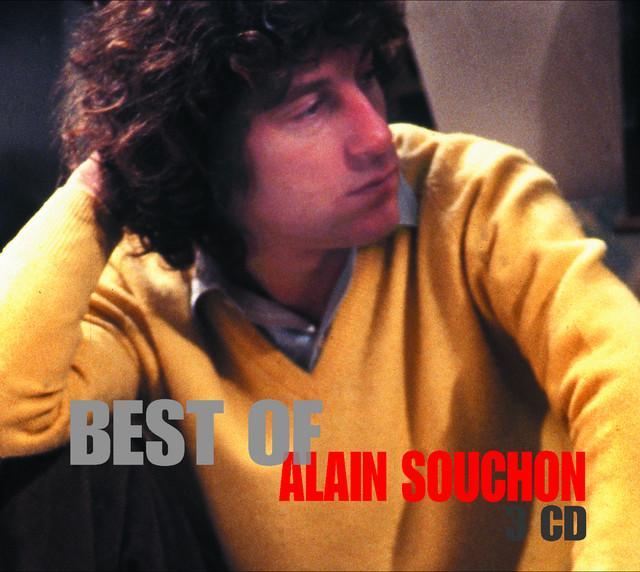
Why "J'ai dix ans" Still Feels So Young
The meaning of J'ai dix ans Alain Souchon starts with a simple joke: the singer says they are ten years old, then quickly admits that is not true. That gap between fact and fantasy is the whole song. It is playful on the surface, but underneath it says something serious about memory, freedom, and the wish to keep a childlike self alive.
"J'ai dix ans" - Alain Souchon
Je sais que c'est pas vrai
Mais j'ai dix ans
Loading lyrics...
Unable to load lyrics
We're unable to display the lyrics at this time. Please try again later.
Released on Alain Souchon’s 1974 debut album J'ai dix ans, the song became the album’s signature track and helped establish the long-running Souchon-Voulzy partnership. According to the album’s documented credits, Souchon wrote the words, Laurent Voulzy composed the music, and Bob Socquet produced the record (Wikipedia, album page).
A Child's Voice With an Adult Wink
At the center of the song is a speaker who insists j'ai dix ans
—they are ten. But they also confess je sais que c'est pas vrai
. That contradiction matters. The song is not trying to fool anyone. Instead, it asks for permission to imagine a life untouched by adult pressure.
This makes the song feel like both role-play and confession. The speaker builds a world of school, recess, marbles, cabins, and daydreams. Yet the line about it being almost fifteen years that they have been ten hints that the voice belongs to someone older, someone carrying childhood forward rather than living inside it literally.
Interpretation: The song suggests that growing up does not erase the inner child. It only forces that part of the self into hiding, where it survives through humor and imagination.
Watch the official J'ai dix ans
music video
How the Verses Build a Private Kingdom
Each verse adds another piece to this fantasy world. The singer goes to school, laughs quietly, dreams of kites, wanders on Wednesday afternoons, and turns ordinary snacks and games into magical objects. Small details make the world feel vivid instead of abstract.
The song’s imagery is important because it is so local and physical. They have marbles in their pockets, a hut to hide in, and the swagger of a kid who feels powerful in tiny spaces. Even odd images—like giants in balloons or little green men—show how childhood mixes reality with invention.
One short passage captures that mood:
Laissez-moi rêver
Que j'ai dix ans
Here the song stops pretending that the fantasy is factual. It openly asks to keep dreaming. That makes the chorus less like denial and more like a plea.
The Refrain Turns Rebellion Into Meaning
The hook is memorable not just because it is catchy, but because it sounds like a child refusing correction. The rough schoolyard threat à la récré
gives the song bite. Research on the album notes that this phrase became especially famous, with its Parisian slang flavor helping define the song’s identity (Wikipedia, album page).
For meaning, that line does two things:
- It keeps the voice believable as a child persona.
- It shows that imagination needs defending.
The singer is not calmly explaining a philosophy. They are pushing back against anyone who tries to drag them into adult logic. In that sense, the childish insult is not random comedy. It is the song’s shield.
Sound, Style, and Why It Feels Weightless
The meaning of J'ai dix ans Alain Souchon also comes through in the music. Voulzy’s composition gives the song a light pop frame rather than a dramatic one. That matters. If the arrangement were grand or tragic, the lyrics might sound bitter. Instead, the melody bounces.
The production supports a floating feeling that matches the images of kites, balloons, and wandering. Even without a dense arrangement, the song feels full because the rhythm stays nimble and the vocal delivery stays conversational. Souchon sounds amused, tender, and slightly mischievous.
This balance is a big reason the song lasted. It is nostalgic without becoming sentimental. It is clever without sounding cold. The music lets the listener feel the joke and the ache at the same time.
Artist Context Makes the Song Deeper
The song also arrived at a key moment in Souchon’s career. His early singles had not broken through commercially, and the success of J'ai dix ans helped change that trajectory. The same album also marked an early major collaboration with Laurent Voulzy, who would become one of Souchon’s most important creative partners (Wikipedia, album page).
That history matters because the song already contains traits that later defined Souchon’s writing: irony, tenderness, social unease, and a fondness for characters who do not fit adult expectations. The child voice is playful, but it also becomes a safe way to criticize the grown-up world.
Two Strong Ways to Read the Song
There are at least two convincing readings.
Childhood as refuge
Interpretation: The clearest reading is that the song celebrates imagination as protection. By saying laissez-moi rêver
, the speaker asks to keep a space where wonder is still possible.
Childhood as quiet protest
Interpretation: Another reading is more critical. Adults are implied as boring, intrusive, or spiritually flat. When the song says grown-ups have nothing to do in these imagined spheres, it draws a border: adulthood is not wisdom here, but limitation.
Why the Song Still Connects
The song still works because most listeners know this feeling, even if they have never said it this way. They know what it means to miss a freer self. They know the pressure to act sensible all the time. And they know that humor can hide a real emotional truth.
In the end, the meaning of J'ai dix ans Alain Souchon is not that the singer wants to become a child again. It is that they do not want adulthood to kill play, wonder, or stubborn individuality. That is why the song sounds so light and lands so deeply.
Disclaimer: This interpretation is based on the released lyrics, musical context, and documented album history. As with any song, meanings can vary from listener to listener.







