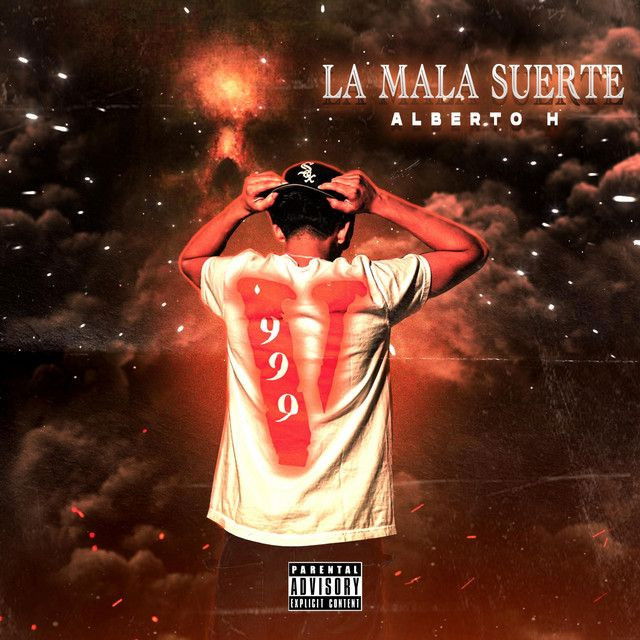
Why ‘La Mala Suerte’ Hits So Hard
The meaning of La Mala Suerte Alberto H comes into focus fast: this is a grief song shaped by shock, memory, and survival. It is not only about “bad luck” in a casual sense. It is about the kind of tragedy that changes how someone sees life after violence takes a loved one.
"La Mala Suerte" - Alberto H
A todos aquellos
A los que han perdido a alguien
Loading lyrics...
Unable to load lyrics
We're unable to display the lyrics at this time. Please try again later.
From the opening dedication, the track places itself among songs for people who have lost someone they love. That framing matters. It tells listeners that the song is not just retelling an event; it is trying to share mourning with a wider community.
A Corrido About Loss, Not Glory
At its core, “La Mala Suerte” tells a story of sudden death and the emotional fallout that follows. The hook centers on the phrase la mala suerte
, which they use to describe a devastating turn of fate. In plain terms, the narrator feels that disaster arrived without warning and left them with questions no one can answer.
The song also refuses to make grief neat. When they say nadie sabe lo qué pasó
, the point is not only mystery. It is also disbelief. Trauma often leaves survivors replaying events while feeling that the full truth is still out of reach.

Watch the official La Mala Suerte
music video
When Death Becomes a Character
One of the song’s strongest ideas is its personification of death. The lyric la muerte estaba frente di mi
makes death feel close, almost face-to-face. Instead of staying abstract, mortality becomes a presence in the room.
That choice gives the song a spiritual edge. Death does not just arrive; it speaks and teaches. The narrator says they were told to be grateful for life. Interpretation: this can be heard as a painful lesson in survival, where living on becomes both a gift and a burden.
The Story Unfolds in Painful Stages
The song moves like a memory they cannot stop revisiting. It begins with reflection, shifts into pride about progress, and then snaps into violence. That structure mirrors real grief, where the mind jumps between what life was, what was being built, and the exact moment everything broke.
A quick timeline of the song
- It opens as a dedication to people who have lost someone.
- It introduces bad luck and a direct encounter with death.
- It remembers ambition, dreams, and building something bigger.
- It describes an armed attack.
- It ends in mourning and a promise to live on for the lost friend.
That middle section is important. The line about having dreams and growing an empire adds contrast. Before tragedy, there was momentum. Life was moving forward. Because of that, the later loss feels even harsher.
Violence Breaks the Song in Two
The most painful section is the attack scene. The narrator describes being on the corner, then being met by armed young men. They mention nos llovieron los Balazos
, a vivid phrase that turns gunfire into a storm falling from above.
After that, the emotional center shifts to the person taken away. Calling him al mejor amigo
and later my homie
makes the grief feel intimate rather than symbolic. This is not loss at a distance. It is personal, direct, and still raw.
Gratitude and Guilt Sit Side by Side
A striking tension in the song is the way gratitude appears inside grief. The narrator says they were taught to be thankful for the life they still have. That is a powerful idea, but it does not erase pain. It actually deepens it.
Interpretation: the song captures survivor’s guilt. They are alive, but someone they loved is not. So gratitude becomes complicated. To keep living is necessary, yet it may also feel unfair.
This tension reaches the final English lines, where they promise to live fully for the person who died. That closing thought gives the song its emotional direction. Mourning does not end, but memory becomes a reason to keep going.
Forever and always
My homie
How the Sound Likely Supports the Meaning
Based on the lyric style, “La Mala Suerte” fits within a modern corrido approach, where storytelling, street detail, and emotional confession sit side by side. Songs in this lane often rely on steady rhythm, clear vocal focus, and an arrangement that leaves room for the narrative to land.
Even without detailed production credits, the writing suggests a performance that works best when the vocal stays close and unpolished rather than overly dramatic. That kind of delivery would help the grief feel lived-in. If the instrumental follows corrido tradition, the contrast between melodic flow and violent subject matter would make the loss hit harder.
Why the Song Connects
The meaning of La Mala Suerte Alberto H is broader than one event. It speaks to a common human fear: that a normal day can split life into before and after. It also speaks to a common need after loss: to honor the dead by continuing to live.
What gives the song weight is its balance of detail and openness. It names a specific tragedy, but it begins as a dedication to anyone grieving. That is why listeners can hear their own losses inside it.
Final Take on Its Message
“La Mala Suerte” is about mourning someone taken too soon, wrestling with why one person survives, and trying to carry love forward after violence. Its key idea is simple but heavy: bad luck may explain nothing, yet survivors still have to build meaning from what remains.
This article offers an interpretation based on the lyrics provided and available song context. Meaning can vary from listener to listener, and the artist’s full intent may be broader than any single reading.








