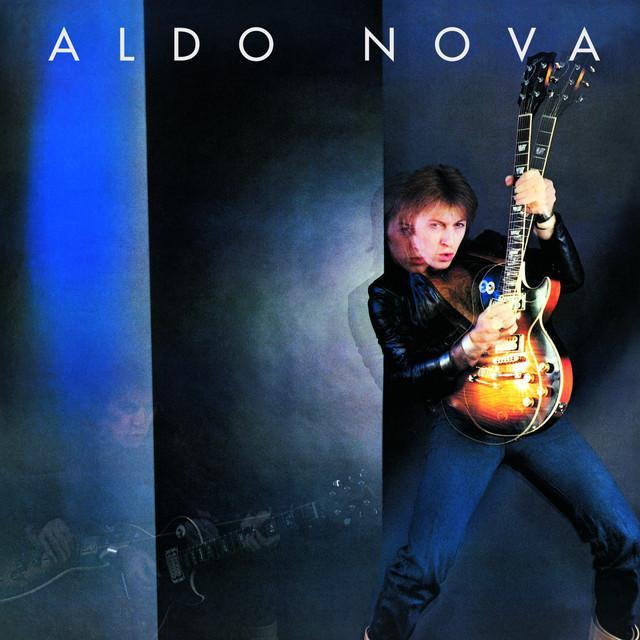
Fantasy by Aldo Nova: A Neon Escape Trap
The meaning of Fantasy Aldo Nova starts with a contradiction: the song sounds huge, bright, and exciting, but its message is much less carefree. Released in 1982 as Aldo Nova’s debut single from their self-titled album, “Fantasy” became their signature hit, reaching No. 23 on the Billboard Hot 100 and No. 3 on the Mainstream Rock chart. It was written by Aldo Nova, born Aldo Caporuscio, and commonly credited as self-produced as well. Those facts matter because the song feels personal in its vision of temptation, performance, and overload.
"Fantasy" - Aldo Nova
Neon lights, shinin' brightly make your brain ignite
See the girls with the dresses so tight (give you love)
Loading lyrics...
Unable to load lyrics
We're unable to display the lyrics at this time. Please try again later.
Beneath the Hook, a Warning Light
On the surface, the verses move through a flashy city at night. They describe heat, movement, style, drugs, and blurred morals. The opening images of city nights
and neon lights
make the setting feel electric, almost cinematic.
But the song does not stop at admiration. It quickly shows how this world sells pleasure, identity, and escape. People buy into surfaces, and the city rewards whatever feels good now. Then the chorus breaks in with the real point: it’s not reality
; it is just a fantasy
.
That is the core of the meaning of Fantasy Aldo Nova. The song is about seduction by an artificial lifestyle—one that looks glamorous, but can leave a person numb or lost.

Watch the official Fantasy
music video
How the Verses Build That Illusion
The lyrics work like a fast nighttime tour. They move from street scenes to desire to chemical escape. Instead of telling one detailed story, they stack snapshots.
A few key beats stand out:
- The city first appears as thrilling and sexy.
- Pleasure becomes transactional and performative.
- Excess starts to feel darker and less human.
- The chorus pulls back and calls the whole thing fantasy.
That structure matters. The verses pull listeners in with cool details, then the chorus exposes the cost. When the song mentions appearances and indulgence, it suggests a world where people act roles instead of living honestly.
The Chorus Changes Everything
The chorus is simple, which is why it lands so hard. After all the vivid urban imagery, the repeated line about fantasy feels less like a celebration and more like a diagnosis. The speaker is not simply dazzled; they are overwhelmed.
One short phrase, crazy life
, hints that the pressure is psychological as well as social. The fantasy is not just nightlife. It is a way of living that confuses stimulation with meaning.
Interpretation: The chorus can be heard as a warning to anyone tempted by scenes built on image, status, and escape. The question in the hook—whether someone can really live this kind of life—sounds less like an invitation than a challenge.
Sound That Feels Like the City
Part of what makes “Fantasy” memorable is how the production mirrors the theme. The track blends arena-rock scale with hard-rock muscle and a polished pop-metal edge. That mix helped it stand out in 1982, when big guitars and bigger choruses were becoming central to mainstream rock.
The riff is sharp and immediate. The drums push forward without much rest. The vocals ride above the arrangement with dramatic urgency. All of that creates a rush that feels like the same overload the lyrics describe.
This is one reason the song still works. It does not merely talk about fantasy; it sounds like one. The giant chorus gives listeners the thrill of escape even while the words question it. That tension is the song’s smartest move.
Aldo Nova’s Persona Matters Too
Aldo Nova emerged during a period when rock image was becoming more theatrical. Their music video for “Fantasy” leaned into that style with flashy visuals and exaggerated cool, matching the song’s interest in spectacle. That is useful context, because the track lives right on the edge between enjoying performance and critiquing it.
VH1 later ranked “Fantasy” at No. 78 on its list of the 100 greatest one-hit wonders of the 1980s. Even that label fits the song’s theme in an odd way: a huge burst of attention, image, and recognition attached to one unforgettable moment.
Two Strong Ways to Read the Song
Interpretation 1: A critique of urban excess
This is the clearest reading. The song presents nightlife as seductive but corrosive. Sex, fashion, and substances all promise freedom, yet the chorus implies they create emptiness.
Interpretation 2: A song about emotional disconnection
There is also a more inward reading. The fantasy may not only be the city around the speaker. It may be the mental state they enter to survive it. In that sense, the song is about dissociation—using noise, pleasure, and speed to avoid something deeper.
Both readings fit because the chorus keeps the language broad. It does not explain everything. It lets listeners decide whether the fantasy is social, personal, or both.
Why “Fantasy” Still Connects
The song remains effective because its subject has not aged out. The details are very 1982, but the idea is timeless: modern life can package illusion as freedom. Glamour can hide loneliness. Excitement can cover exhaustion.
That is why the meaning of Fantasy Aldo Nova still feels relevant. Beneath the massive hook, the song asks a hard question about what people chase when reality feels too flat. Its answer is not moralistic, but it is uneasy. Fantasy may feel amazing for a while. It still is not the same as truth.
Disclaimer: This interpretation is based on the song’s lyrics, sound, and release context. Like most rock songs, “Fantasy” can support more than one valid reading.








