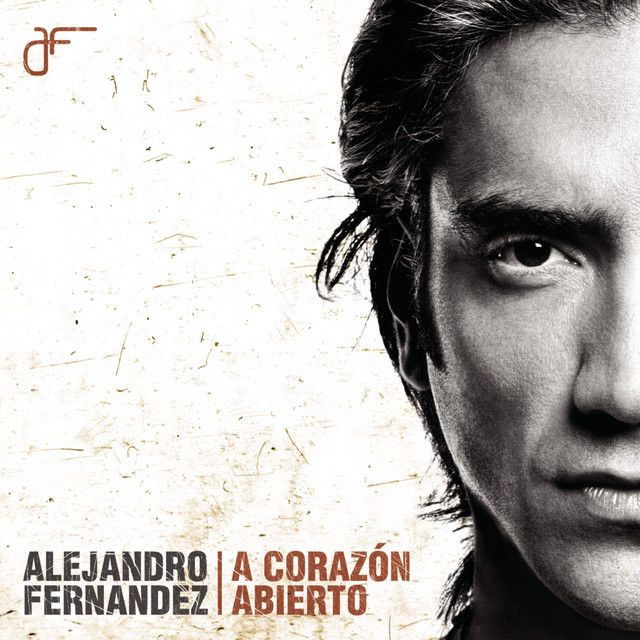
Me Dediqué a Perderte by Alejandro Fernández
They don’t need to speak Spanish to feel this one. Alejandro Fernández turns a breakup into a mirror, and the reflection stings. If someone is searching for the meaning of Me Dediqué a Perderte Alejandro Fernández, it comes down to a painful truth: love can die from neglect.
"Me Dediqué a Perderte" - Alejandro Fernández
¿Por qué no te abracé la vida cuando la tenía?
Y yo que no me daba cuenta cuanto te dolía
Loading lyrics...
Unable to load lyrics
We're unable to display the lyrics at this time. Please try again later.
The ache behind the hook
At the center is the line Me dediqué a perderte
. He admits he “devoted” himself—through repeated choices—to losing the person he loved. It’s not fate or bad luck; it’s accountability.
Interpretation: The song is an open apology. He names the habits that hollowed the relationship out, then accepts the finality of their partner’s detachment. The chorus doesn’t ask for a second chance. It accepts that one isn’t coming.

Watch the official Me Dediqué a Perderte
music video
Voice and viewpoint: a late apology
The narrator speaks in first person to a partner who has already moved on. He notices signs he missed before: the smile was gone, conversations dried up, and the gaze changed—ya mirabas diferente
. Their pain is not theatrical; it’s quiet and past the point of anger.
Crucially, he blames himself, not them. He was absent—me ausenté en momentos
—when presence mattered most. He withdrew instead of engaging. That turn inward becomes the source of loss.
A simple timeline of loss
- Early on, small cues appear. She stops smiling and speaks less at night. He ignores it.
- Distance grows. He admits,
me encerré en mi mundo
, choosing isolation over intimacy. - The pattern hardens. Absence becomes normal:
me ausenté en momentos
that mattered. - The return comes too late. When he finally reaches back, the love is gone. Her eyes tell the truth.
Interpretation: The structure shows love fading by degrees, not through one dramatic betrayal. The tragedy isn’t a single mistake; it’s a series of small exits.
Quiet symbols: light, silence, and ego
The nighttime detail—nothing said before turning off the light—signals a ritual of disconnection. Home should be the safe place to talk; here, it’s where words die. The missing smile is another soft alarm. These are ordinary images, and that’s why they hurt. Most people lose love in the daily routine, not in grand scenes.
Then he names the engine behind it: este maldito ego
. Interpretation: Ego here means stubbornness, pride, and the need to be right. It blocks apology, curiosity, and repair. The line reframes the breakup as self‑inflicted; the antagonist is inside him, not across the table.
Sound design: pop ballad with ranchera soul
Musically, the track is a classic Latin pop ballad—piano and lush strings that swell into the chorus. The tempo is measured, giving space for each admission to land. As the arrangement rises, Fernández leans into long, open vowels and controlled vibrato, techniques rooted in his ranchera background. That vocal weight sells the confession without melodrama.
Interpretation: The orchestral lift in the hook mirrors the “I finally see it” moment. The verses sit lower and closer, like a private admission; the chorus opens wide, like acceptance spoken aloud.
What the chorus really confesses
Each return to Me dediqué a perderte
is a summary of the case against himself. It stacks cause and effect: absence, isolation, then loss. Interpretation: Repetition is penance. Saying it again and again is how he proves he understands.
Other ways to hear it
- Cautionary tale: It reads like advice to future lovers—show up, ask questions, notice the small changes. Love is a practice, not a promise.
- Broader metaphor: Interpretation: The “you” could be more than a partner—time, family, even the self. People often “devote” themselves to losing what matters by choosing work, pride, or distraction.
Why it stays with listeners
The language is simple, the feelings are specific, and the hook is unforgettable. Fernández’s delivery balances strength and softness, letting regret sound dignified, not desperate. Many hear their own near‑misses in these lines, which is why the song lives on in break‑up playlists and late‑night karaoke rooms.
Takeaway you can use today
If there’s a key lesson, it’s presence over pride. Pay attention while love is still warm. Don’t wait until the eyes look different to ask what they’re seeing.
Disclaimer: This is one interpretation based on the recording, lyrics, and public context. Listeners may hear the song differently, and that’s part of its power.







