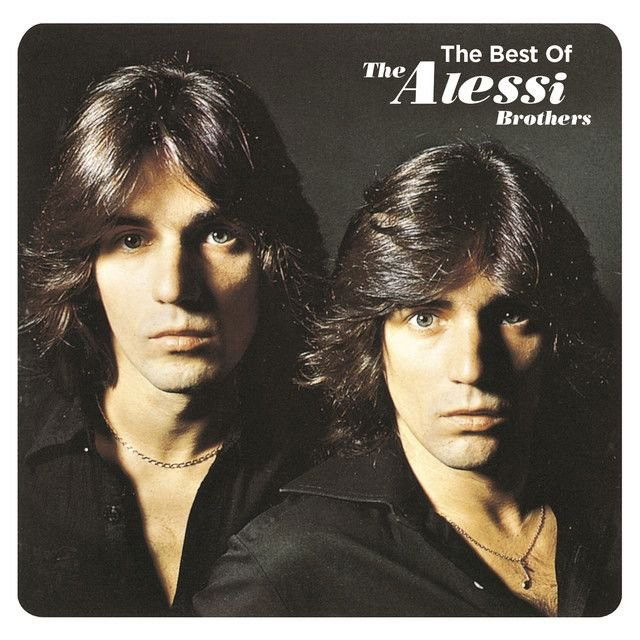
Seabird by Alessi Brothers
Why This Gentle Song Still Lands Hard
The meaning of Seabird Alessi Brothers comes down to distance, restlessness, and the ache of wanting someone to return. On the surface, the song speaks to a seabird being away from land for too long. Under that image, it feels like a plea to a lover, a drifting soul, or even the singer themself.
"Seabird" - Alessi Brothers
Even though I tell myself
That road is closed
Loading lyrics...
Unable to load lyrics
We're unable to display the lyrics at this time. Please try again later.
The Alessi Brothers were identical twins Billy and Bobby Alessi, an American soft rock duo from Long Island whose 1976 self-titled album introduced songs that balanced sweetness with melancholy. According to public career summaries, “Seabird” appeared on that 1976 album and later found a new life through film and TV placements, including Hunt for the Wilderpeople in 2016 and other later uses that brought the song to younger listeners again. That second life matters because it confirms how timeless the song’s mood is: calm on the surface, wounded underneath.

Watch the official Seabird
music video
The Core Meaning Hides in the Bird Image
At the center of the song is a simple symbol. The seabird is a figure for someone who has wandered too far from safety, love, or emotional stability. When the chorus urges Fly home
, the line works as both comfort and warning.
Interpretation: They seem to be singing to a person who cannot settle down. That person keeps moving, avoids roots, and treats closeness like a temporary stop. The repeated image of being away from land too long suggests emotional exhaustion. It is not just travel. It is disconnection.
The opening verse supports that reading. The singer says there is a road they must take, even while insisting that road is closed. That contradiction matters. It suggests they know the relationship is painful or impossible, yet they are still pulled toward it. The song’s sadness comes from that trapped feeling: they know better, but feeling wins anyway.
A Relationship Song About Drift, Not Drama
This is not a loud breakup song. It is quieter than that. Instead of anger, the lyrics show confusion and longing.
When the singer says I don't listen to the news
, the idea seems less political than emotional. They have tuned out the outside world because one relationship has taken over their mind. The next comparison, Like an unwound clock
, paints the other person as detached and no longer functioning in a normal emotional rhythm.
That image connects to the larger theme of drift. Clocks keep time; birds migrate; roads lead somewhere. In this song, all three systems are broken or unstable. The road is closed. The clock is unwound. The bird is lost at sea. Together, those details create a world where direction has failed.
The Chorus Turns Loneliness Into a Plea
The chorus is why the song lingers. It is brief, direct, and deeply sad.
Seabird, seabird
Fly home
Those few words say almost everything. The singer is not asking for a grand declaration. They are asking for return, grounding, and presence. The phrase away from land too long
sharpens the message by implying that too much freedom can become another kind of loneliness.
Interpretation: The chorus may also be self-directed. In that reading, the singer is telling themself to come back to reality after chasing someone unavailable. That ambiguity gives the song depth. It works as a message to another person, but it can also sound like private self-advice.
Ghosts, One-Night Beds, and Fear of Intimacy
The second half of the lyric gets even more revealing. The singer feels the other person near, then suddenly absent, almost Like a ghost
. That image suggests emotional inconsistency. The loved one can be vivid in memory and invisible in real life.
Then the song points to a pattern of short-term comfort. The mention of warmth in a one-night bed suggests someone who chooses temporary closeness over lasting commitment. That is a key line in understanding the relationship. The problem is not lack of attraction. The problem is inability to stay.
Later, even beautiful things like sunsets and full moons no longer move that person. They are compared to an untied dog that had to run. This is one of the song’s clearest character sketches: the person being addressed may be charming and alive, but also impossible to hold.
How the Sound Carries the Meaning
Part of the power of “Seabird” is musical. The Alessi Brothers worked in a soft rock and pop rock lane known for close harmonies, gentle melody, and polished arrangements. Their twin vocals are especially important here. Instead of one voice crying out, the blend creates the feeling of one thought echoed by another, which fits a song about memory and longing.
The production stays light and airy, matching the bird image. Nothing crashes in. The softness makes the sadness feel more believable. If the arrangement were bigger, the song might feel melodramatic. Instead, it drifts. That drifting motion mirrors the emotional state in the lyrics.
This helps explain why the song has been reused so often in screen soundtracks. It can sit over endings and reflective scenes because it carries tenderness without forcing one exact story.
Why Listeners Keep Hearing Different Stories
There are at least three strong ways to hear the song:
- A lover’s plea: someone begs a restless partner to come back.
- A self-portrait: the singer recognizes their own emotional wandering.
- A broader human message: freedom without attachment can turn empty.
All three readings fit the lyric details. That openness is a strength, not a flaw. The song gives listeners enough shape to feel grounded, but enough space to bring their own experience.
The Lasting Takeaway
The meaning of Seabird Alessi Brothers is less about a literal bird than about what happens when a person stays emotionally adrift for too long. Its images of roads, clocks, ghosts, and open water all point to the same fear: that love can still be real even when stability is gone.
That is why the song continues to resonate. It sounds warm, but it is really about absence. It sounds simple, but it captures a hard truth: sometimes going home is not about a place. It is about finally being able to stay.
Disclaimer: This interpretation is based on the released lyrics, recording, and publicly available artist context. Like many songs, “Seabird” can support more than one valid reading.








