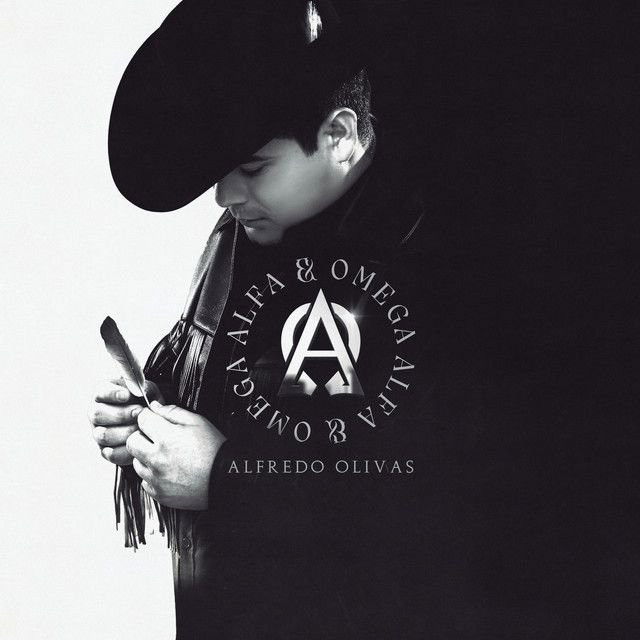
No by Alfredo Olivas
Saying no is the point—and the wound—of this song. Alfredo Olivas builds a tense standoff where desire is real, but boundaries win. For listeners in the U.S. searching for the meaning of No Alfredo Olivas, this track is about refusing a comeback romance because the cost would be too high.
"No" - Alfredo Olivas
No, porque después ya no habrá marcha atrás
No, y mejor dejemos todo
Loading lyrics...
Unable to load lyrics
We're unable to display the lyrics at this time. Please try again later.
A line in the sand, drawn with feeling
The narrator turns away an ex while admitting they still care. They confess they would voy a querer más
, which means letting even a small reunion grow into something they can’t control. The refusal isn’t cold; it’s protective. They fear that once it starts, no habrá marcha atrás
—there will be no way to undo the damage.
Interpretation: The song is not about pride. It’s about knowing a weak spot and guarding it. Olivas frames “no” as love re-directed toward self-respect and toward others who could be hurt.

Watch the official No
music video
Who’s speaking, and to whom?
This is first-person, addressed to a former lover who shows up again. They tempt, they test, they use tricks. The narrator calls them out, warning against tus artimañas
without naming them fully. That vagueness makes the pull feel universal; many have met someone who knows exactly which buttons to push.
Crucially, the singer remembers being the last choice before—someone who was “the last on your list.” That memory sharpens today’s boundary. They won’t relive that ranking.
How the story moves: from spark to stop
- The ex returns, seeking another chance. The desire is mutual.
- The narrator pictures where it leads and recoils:
no habrá marcha atrás
. - They warn that playing again is risky—
no juguemos con fuego
—because the past already burned them. - Their body wants to say yes, but conscience steps in.
- Final line in the sand: the refusal stands, even if it hurts.
Interpretation: The song traces a cycle almost all the way to relapse, then slams on the brakes. The suspense comes from watching someone rescue themselves in real time.
Why the hook stings: a gagged yes
One of the most striking images is the heart’s un "sí" amordazado
—a gagged yes. That phrase shows how strong the internal conflict is. The yes hasn’t died; it’s restrained. The hook repeats “no” like a mantra until it becomes armor. In pop terms, it flips the usual love ballad. The climax isn’t a confession of love; it’s a boundary kept.
Symbols that burn and bind
- Fire: Warnings about flames and
no juguemos con fuego
turn desire into danger. Interpretation: Passion can consume more than it warms. - Crossfire: The line about
fuego cruzado
suggests innocent people caught between two lovers’ choices. Interpretation: The narrator protects bystanders—friends, partners, even themselves in a younger, more fragile form. - Locks and lists: References to “candados” (locks) starting to give way, and being the last on someone’s list, mark the battle between impulse and memory. Interpretation: Past neglect is the key reason the present door stays shut.
- Finality: The blunt closer—
no y punto
—turns emotion into a verdict. Interpretation: Closure isn’t a feeling; it’s a decision.
How the sound carries the message
Olivas is known for regional Mexican ballads that blend norteño and sierreño colors—accordion lines, guitar or bajo sexto figures, steady percussion, and, at times, tuba or bass grounding the low end. In “No,” the performance leans restrained. The vocal sits front and center, delivering phrases with a measured rise and controlled fall, mirroring someone who feels everything but won’t budge.
Interpretation: The arrangement avoids showy detours so the lyric’s tension stays tight. Short instrumental turns feel like the pause before replying—a breath taken to keep from giving in.
Alternate angles that still fit
- Protection of a current relationship: Interpretation: The narrator could be with someone new, and the repeated “no” shields that person from the returning ex’s gravity.
- Protection of recovery: Interpretation: “No” can also read like guarding sobriety or mental health. The ex stands in for any habit that once hurt them; the romance language becomes the language of relapse prevention.
Both readings support the same core: a boundary set to prevent harm.
Takeaway: when refusal equals care
In the end, the meaning of No Alfredo Olivas is about choosing the harder path—refusing the spark that could burn down what’s been rebuilt. The song honors how painful, and how necessary, a firm “no” can be when desire and wisdom pull in opposite directions.
Disclaimer: This interpretation draws on the official lyrics and public context around Alfredo Olivas’s style and themes. Listeners may find their own meanings in the song.







