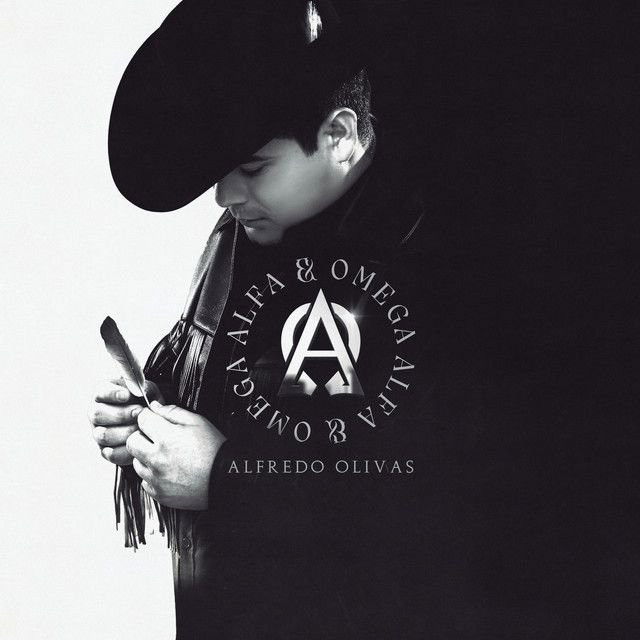
Why Alfredo Olivas Says 'Vete'—And Means It
They don’t just walk away in Vete—they set a boundary and hold it. Alfredo Olivas frames the goodbye as an act of care and survival, not revenge. The meaning of Vete Alfredo Olivas centers on choosing peace when jealousy and control have turned love into a trap.
"Vete" - Alfredo Olivas
Vete porque para retenerte la verdad ya no soy quien
Nunca he sido afín de que el amor viva entre paredes y celdas
Loading lyrics...
Unable to load lyrics
We're unable to display the lyrics at this time. Please try again later.
The Real Message: Leaving Before It Burns
At its core, the narrator recognizes a toxic loop and opts out. They call out possessiveness and insecurity, and they refuse to turn love into a cage. When they say Vete
("go"), it’s not a tantrum; it’s a measured decision to stop enabling damage on both sides. They want the split to be clean and calm, a reset rather than a war.
They even underline moral clarity—knowing lo que está mal y está bien
—which frames the breakup as the responsible choice, not a rash one.

Watch the official Vete
music video
Who’s Talking—and Why It Matters
The song speaks in first person to a lover who polices their movements and doubts their loyalty. Phrases like Vete sin hacer preguntas
reveal a narrator who has already argued every angle. They’re done litigating the past.
Importantly, they reject jealousy as a lifestyle. The climber’s image—hasta la cumbre
—implies growth is impossible under constant suspicion. Love can’t rise when it’s chained to control.
A Relationship Unraveling: Beat by Beat
- They admit they tried hard and could try again, but they won’t trap love.
- They confront jealousy and insecurity, warning those habits won’t become “custom.”
- They describe living “in the fire,” signaling constant conflict and anxiety.
- They push for a peaceful exit now, before anger or fear causes harm.
- They confess weakness: if the partner looks back, they might backslide.
- They raise a red flag about escalation, including potential legal fallout.
Each beat shifts the song from hurt to resolve. The narrator moves from endurance to a boundary that sticks.
The Hook’s Tough Love
The chorus turns goodbye into guidance: leave, and leave kindly. The simplicity makes it sting less—and feel more final.
Vete y si te vas Vete sin hacer preguntas, vete en paz
Interpretation: The refrain isn’t punishment; it’s an exit ramp. The narrator offers closure with dignity, not a screaming match.
Symbols That Do the Heavy Lifting
- Cells and walls: The narrator rejects love as confinement, favoring freedom over possessiveness.
- Fire: They’re tired of living “in the flames,” a picture of constant, simmering fights. When they say
no aguanto más
(“I can’t take it anymore”), it’s the emotional breaking point. - The patrol car: A stark warning. The speaker doesn’t want to end up in legal trouble over
cargos inventados
—imagined accusations. That fear reframes the breakup as urgent protection. - Addiction: The admission of being hooked on their partner’s kisses shows why this is hard; the love is real. But so is the harm.
These images flesh out the stakes: control erodes trust, pain escalates, and leaving is the safest course.
How the Sound Sharpens the Story
Olivas is known for regional Mexican ballads that balance lyric intimacy with melodic pull. Vete follows that tradition: a mid‑tempo, guitar‑ and likely accordion‑led arrangement that carries tension without tipping into rage. The vocal feels direct and steady, which matches the message—firm but not cruel.
The dynamic arc tracks the narrator’s resolve. Verses feel confessional; the hook widens into plain‑spoken finality. This contrast mirrors the shift from private pain to public decision.
Lines That Cut the Deepest
Vete sin hacer preguntas
: Closure requires silence as much as speech.Hasta la cumbre
: Growth and jealousy can’t coexist.Mente maquiavélica
: The partner’s scheming mind twists love into suspicion.No lo digo
(to kick you out): The house isn’t the issue; safety and sanity are.
Each phrase reframes love: boundaries first, or love collapses.
Alternate Readings Worth Considering
Interpretation 1: Self‑preservation. The narrator leaves to avoid mental and legal harm. The patrol‑car image is a red line—no relationship is worth that risk.
Interpretation 2: Tough love. They believe the partner might grow only after separation. Asking them to go “in peace” suggests a hope for mutual healing.
Both readings agree on the core: parting now prevents a worse ending later.
Takeaway for the U.S. Listener
The meaning of Vete Alfredo Olivas lands even if Spanish isn’t your first language. It’s about recognizing when jealousy becomes control—and choosing a kinder exit over a louder fight. The goodbye is painful, but it’s the healthiest truth the narrator can tell.
Disclaimer: This interpretation is based on lyrical analysis and general context. Listeners may reasonably hear different nuances depending on performance, arrangement, and personal experience.








