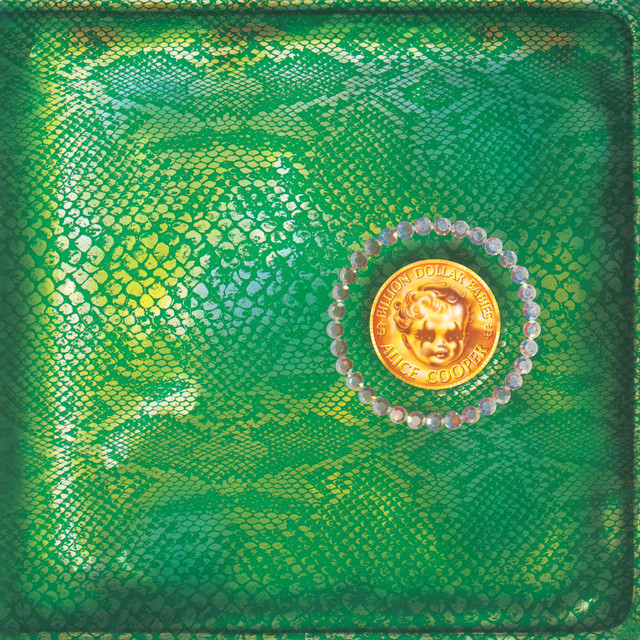
No More Mr. Nice Guy by Alice Cooper
Why This Rebel Anthem Still Lands
The meaning of No More Mr. Nice Guy Alice Cooper starts with a simple idea: a public villain can still be a private person, and sometimes the pressure of being judged pushes that person to stop trying to please everyone. Released in 1973 as the third single from Billion Dollar Babies, the song became one of Alice Cooper's signature tracks and reached No. 25 in the U.S. and No. 10 in the U.K. according to chart summaries collected by Wikipedia and Songfacts.
"No More Mr. Nice Guy" - Alice Cooper
'Til they got a hold of me
I opened doors for little old ladies
Loading lyrics...
Unable to load lyrics
We're unable to display the lyrics at this time. Please try again later.
Factually, Cooper has said the lyric grew out of reactions to his shock-rock image, especially from his mother's church circle. Songfacts summarizes his point this way: he felt there were worse things he could do, and the gloves were off
. That real-life tension matters because the song is not just about being rude. It is about becoming defensive when society keeps calling someone dirty, dangerous, or fake.
Watch the official No More Mr. Nice Guy
music video
The Core Meaning Beneath the Joke
At the center, the singer presents a comic version of themselves: once polite, now pushed into rebellion by gossip and moral panic. The opening sets up that contrast. They describe being a decent person before outside forces got hold of their image, then show how newspapers and rumors changed how people treated them.
That is why the chorus matters so much. When they declare No More Mister Nice Guy
and No More Mister Clean
, it sounds like a threat, but it is also a shield. They are saying: if people have already decided they are corrupt, there is no reward for acting respectable anymore.
Interpretation: The song is less a confession of evil than a performance of frustration. The narrator leans into the monster role because the world already cast them in it.
How the Verses Build the Story
The verses work like a list of social fallout. Friends avoid them after reading the press. Family members feel embarrassed. Even church, a place tied to forgiveness, becomes hostile. Each detail adds another layer to the same message: public scandal does not stay public. It spreads into home life, reputation, and identity.
One of the smartest parts of the writing is the use of absurd humor. Small disasters involving pets and a punch from a reverend are so exaggerated that the song feels like satire. Cooper and co-writer Michael Bruce turn shame into theater, making the judgment around the singer seem ridiculous.
They say he's sick, he's obsceneNo More Mister Nice Guy
That short hook captures the song's whole cycle. First comes the accusation. Then comes the hard response. The chorus is not random; it is the emotional result of being labeled over and over.
Persona, Performance, and Public Panic
Alice Cooper's career has always played with the gap between stage character and real person. In the early 1970s, that split was a huge part of the band's appeal. The Alice Cooper Group mixed horror-show spectacle with tight rock songwriting, and audiences were not always sure where the act ended.
That context is essential to the meaning of No More Mr. Nice Guy Alice Cooper. The song speaks from inside that misunderstanding. It dramatizes what happens when communities react to an entertainer's persona as if it were a full moral biography.
Interpretation: The singer is not only fighting critics. They are fighting the demand to be harmless in order to be accepted. The title itself is sarcastic, because nice
here means socially approved, not truly kind.
Why the Music Sounds So Confident
The track's sound helps carry the message. It is hard rock, but it also has a catchy, almost pop-leaning structure. That balance is one reason it crossed over so well. Producer Bob Ezrin gave Billion Dollar Babies a more polished attack while keeping the band's bite; Cooper later called him our George Martin
, as noted by Songfacts.
Neal Smith described the song as a blend of the band's dark side and commercial side, a brief quote preserved by Songfacts. That is exactly what listeners hear. The guitars are punchy, the rhythm is brisk, and the chorus is easy to shout. Musically, the song feels too fun to be self-pitying.
That matters because the singer is not begging for sympathy. They are reclaiming power. Even the vocal delivery has a grin in it, as if they know the scandal machine is absurd and they might as well enjoy the role.
Lasting Appeal and Alternate Readings
Part of the song's longevity comes from how broadly its message applies. It can speak to anyone who has been boxed in by rumor, image, or a bad reputation. That helps explain why it remained a classic-rock staple and inspired covers, including Megadeth's version for Shocker, noted by Wikipedia.
There is also another valid reading. Interpretation: the song can be heard as a critique of celebrity itself. The narrator becomes a product built by headlines, then reacts to that false version of themselves. In that sense, the real villain is not the singer but the audience appetite for scandal.
The Bottom Line on the Song's Meaning
In the end, the meaning of No More Mr. Nice Guy Alice Cooper is about backlash, image, and self-defense. It shows a performer turning accusation into attitude. What sounds like a nasty anthem is really a witty protest against hypocrisy and pearl-clutching.
That is why the song still works. It is funny, sharp, and hooky, but it also understands something real: when people insist on seeing a monster, sometimes the easiest response is to smile and play the part.
Disclaimer: This article offers a lyric interpretation based on the song, artist comments, and historical context. Interpretations can vary from listener to listener.









