Why Alizée's "J'en ai marre !" Still Pops
The meaning of J'en ai marre ! Alizée comes down to a simple feeling with a clever twist: they are tired of negativity, tired of complainers, and even tired of being tired. What makes the song last is how lightly it carries that frustration. Instead of sounding heavy, it turns annoyance into bright, fizzy pop.
"J'en ai marre !" - Alizée
Dans mon bain de mousse
Je m'éclabousse
Loading lyrics...
Unable to load lyrics
We're unable to display the lyrics at this time. Please try again later.
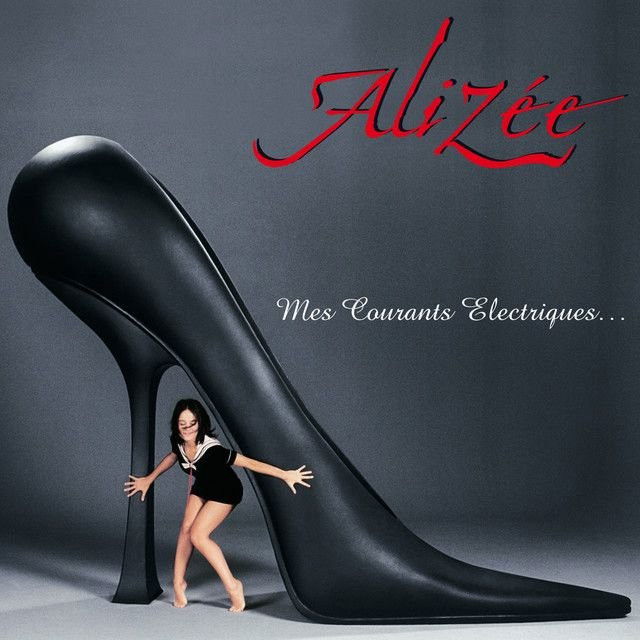
Released in 2003, the song came during Alizée's early rise as a French pop star, following the success of Gourmandises and leading into the album Mes courants électriques. It was written by Mylène Farmer and Laurent Boutonnat, the team behind much of Alizée's early work. Their songwriting often mixes innocence, irony, and stylized emotion, and this track is a clear example of that blend.
A Bubble Bath as a Shield
On the surface, the verses describe softness, comfort, and playful isolation. The singer keeps returning to images like bain de mousse
and peau douce
. Those phrases build a private, cozy world where they can relax, drift, and shut out noise.
That setting matters. The bath is not just decoration. It works like a barrier between the narrator and the outside world. They are floating in a space of pleasure and ease, while everything outside seems irritating, dramatic, or absurd.
Interpretation: this contrast gives the song its real tension. They are not only enjoying comfort. They are using comfort as defense.

Watch the official J'en ai marre !
music video
What the Chorus Really Rejects
The chorus is where the song states its frustration most clearly. They are fed up with people who cry, complain, move slowly, or obsess over the same gloomy thoughts. A phrase like J'en ai marre
repeats so often that it becomes both a complaint and a comic release.
The target is bigger than a few annoying people. The song pushes back against a whole atmosphere of cynicism. It rejects those who see life as dark, who pull others down, or who turn every moment into drama.
There is also humor in the list of irritations. Serious things sit next to silly ones, like rain and zucchini. That jump keeps the song from sounding self-important. It suggests that irritation can build from everything at once, from major moods to tiny daily annoyances.
J'en ai marre de ceux qui pleurent
Qui voient la vie tout en noir
Those short lines show the heart of the song: they are rejecting emotional heaviness, especially when it spreads from one person to everyone around them.
The Smart Little Paradox at the End
One of the best details is the self-aware turn near the end, when the narrator admits being tired of being tired. That idea gives the song more depth than a simple rant.
Instead of pretending to stand above annoyance, the lyrics show how frustration can loop back on itself. They dislike negativity, but their own irritation becomes part of the same cycle. That makes the song funny, but also human.
Interpretation: this is why the track feels sharper than a standard teen-pop complaint. It knows that complaining about complainers is still complaining.
Sound First, Meaning Second
A big part of the meaning of J'en ai marre ! Alizée comes from its production. The music is sleek, bouncy, and polished, with a synthetic early-2000s French pop feel. Instead of matching the lyrics with anger, the arrangement softens everything with groove and sparkle.
That choice changes how the words land. If the same lyrics were sung over darker music, they could sound bitter. Here, they sound playful, stylish, and slightly teasing. The vocal delivery matters too. Alizée does not belt the frustration. They glide through it, which makes the annoyance feel controlled rather than explosive.
This was typical of the Farmer-Boutonnat approach. Their songs often used polished pop surfaces to carry emotions that were stranger, sadder, or more ironic underneath. In this track, the bright sound keeps the mood light while the words quietly reveal irritation.
Youth, Image, and Performance
Alizée's early public image also shapes how listeners hear the song. She was presented as youthful, poised, and a little elusive, which gave even simple lines a layered effect. In that context, the song can sound like a young person defending their private mood against a loud, demanding world.
That is part of why the bath imagery works so well. It feels childish and dreamy, but also deliberate. They are creating a tiny kingdom of softness and refusing to let outside gloom invade it.
For U.S. listeners who may not know the French context, that balance is key. The song is not just cute. It is carefully styled pop that uses cuteness to hide a sharper attitude.
Why the Song Still Connects
The song remains relatable because its complaint is so recognizable. Almost everyone knows the feeling of wanting distance from constant negativity. They want quiet, comfort, and a break from people who make everything heavier.
At the same time, the track avoids preachiness. It does not offer a grand lesson. It simply captures the wish to stay light in a world that keeps trying to drag the mood down. That makes it feel modern even now.
In the end, the meaning of J'en ai marre ! Alizée is less about rebellion in a dramatic sense and more about emotional self-protection. They are drawing a line between their inner space and the noise outside it.
Final Take: Softness With Teeth
What makes the song memorable is its contradiction. It is sweet but irritated, polished but sarcastic, airy but defensive. That tension is the whole point.
Interpretation: the song says that joy can be an act of resistance. Choosing softness, pleasure, and play is not always escape. Sometimes it is how they keep the darker moods of the world from taking over.
Disclaimer: This article offers interpretation based on the lyrics, production, and public context of the song. Meanings can vary from listener to listener.








