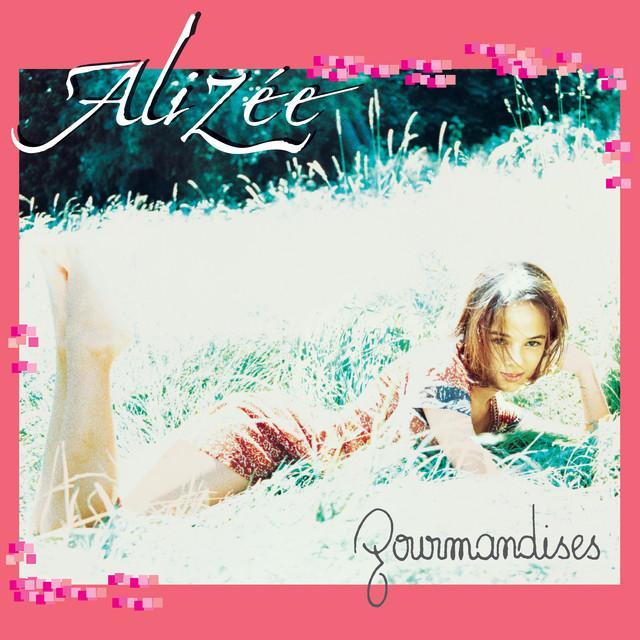
How "Moi... Lolita" Turns Innocence Into Tension
The meaning of Moi... Lolita Alizée starts with a clever contradiction. On the surface, it is a glossy French pop hit with a sweet melody and a memorable hook. Under that shine, though, the song is about a young girl being watched, labeled, and misunderstood because of the cultural baggage carried by her name.
"Moi... Lolita" - Alizée
Lo ou bien Lola
Du pareil au même
Loading lyrics...
Unable to load lyrics
We're unable to display the lyrics at this time. Please try again later.
Released in 2000 as Alizée’s debut single, the song was written by Mylène Farmer and composed and produced by Laurent Boutonnat, the team behind Alizée’s early career. It became an international breakthrough and remains one of the defining French pop songs of its era. Those facts are widely documented in artist and label materials, as well as reference sources such as Alizée’s official site and Wikipedia.
The Song’s Core Idea Hides in Plain Sight
At its center, the song presents a speaker who introduces herself with the phrase je m'appelle Lolita
. That sounds simple, but the lyric quickly makes clear that this is not just a name. It is a role that other people attach meaning to.
The chorus keeps returning to c'est pas ma faute
, which translates to “it’s not my fault.” In plain terms, the narrator is saying that she did not choose the reactions she gets. People hear the name, see the image, and rush to conclusions.
Interpretation: This makes the song less about flirtation than about projection. The character knows she is being seen through a fantasy created by others, and she tries to push back without fully escaping it.

Watch the official Moi... Lolita
music video
Why the Name “Lolita” Matters So Much
For English-speaking listeners in the United States, the title immediately brings up the cultural meaning of “Lolita” as a symbol of sexualized youth. The song plays with that loaded reference on purpose, but it does not simply celebrate it.
Instead, it shows the tension between a school-age identity and the way adults or onlookers respond to it. The lyric image collégienne aux bas
points to a schoolgirl persona, while the repeated spelling of the name turns her into a public image. She is both a person and a label.
That duality is crucial to the meaning of Moi... Lolita Alizée. The song understands that names carry stories, and once a girl is linked to a famous one, people stop seeing her clearly.
A Young Voice Surrounded by Hungry Attention
One of the most revealing moments comes when the narrator says others are ready to rush at her. The line that includes se jeter sur moi
suggests pressure, pursuit, and unwanted attention. The song never becomes graphic, but it does not need to. The threat is in the feeling of being surrounded.
Another striking phrase is quand je rêve aux loups
. Wolves are a classic symbol of danger and predatory behavior. In context, the dream image suggests that even her inner world is shaped by fear, instinct, or the sense that danger is always near.
Interpretation: The song may be using fairy-tale imagery to describe the experience of adolescence. The speaker is young, curious, and self-aware, but also conscious that the world around her can turn her into prey.
Wordplay Makes the Lyrics Feel Slippery
Mylène Farmer’s writing often uses puns and layered sounds, and this song is full of them. The shift between “Lo,” “Lola,” and “Lolita” makes identity feel unstable. The character seems to split into versions of herself depending on how she is seen.
There is also a sly phrase about giving one’s tongue to the cats, a French idiom meaning to give up guessing. Here, the idea seems to be that when she stops trying to explain herself, other people fill in the blanks with their own assumptions.
That is one reason the lyric stays memorable. It sounds playful, but the play hides real anxiety. The narrator laughs, dodges, and repeats herself, yet none of that fully protects her.
The Music Makes the Message More Powerful
The production is polished, light, and danceable, which is exactly why the song works so well. Boutonnat surrounds the lyric with soft synths, a clean beat, and a bright pop arrangement. Alizée’s vocal delivery sounds airy and controlled rather than dramatic.
That contrast matters. The music invites listeners in with charm, while the lyric quietly raises questions about innocence and objectification. If the track had been dark and heavy, its point would be too obvious. Instead, it lets the tension sneak up on the listener.
This is part of why the single crossed over beyond France. Its melody is immediate, but its meaning lingers after the chorus ends.
Two Strong Ways to Read the Song
There are at least two convincing readings:
- A critique of projection. The narrator is trapped inside a fantasy created by others.
- A portrait of adolescence. The song captures the confusion of becoming visible before being fully understood.
These readings are compatible. The first explains the social pressure; the second explains the emotional tone. Together, they show why the song still feels provocative without saying very much directly.
Why the Song Still Connects
What keeps “Moi... Lolita” alive is not just nostalgia. It is the uneasy balance between sweetness and danger. The song understands how a young person can be treated like an idea before they are treated like a person.
That is the lasting meaning of Moi... Lolita Alizée: it turns a catchy pop introduction into a study of image, innocence, and the burden of being seen through somebody else’s fantasy.
Final Thought
In this reading, the song is not asking listeners to admire the label. It is asking them to notice what that label does. As with any pop song built on irony and persona, this interpretation is informed by the lyrics, performance, and cultural context, but it remains an interpretation rather than a confirmed final meaning.








