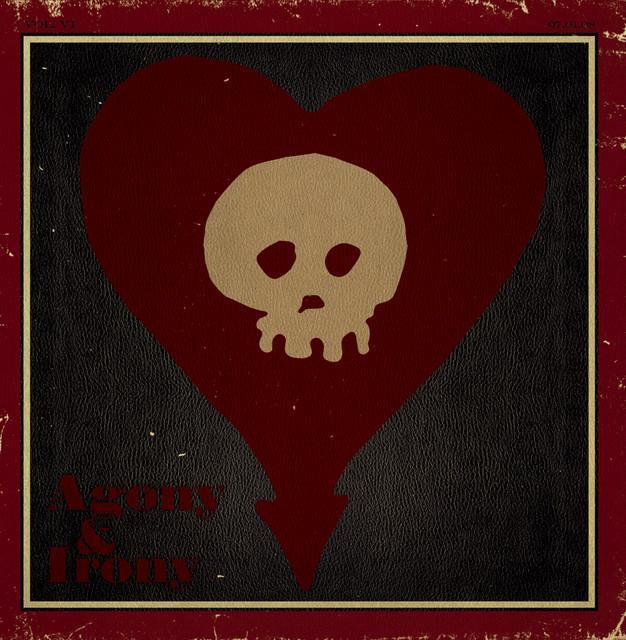
Calling All Skeletons by Alkaline Trio
The meaning of Calling All Skeletons Alkaline Trio centers on fallout. They frame a broken relationship as something both painful and weirdly familiar, where old damage keeps returning. The song is catchy and fast, but under that energy is a speaker dealing with betrayal, secrecy, and the mess left after trust collapses.
"Calling All Skeletons" - Alkaline Trio
Seems it never ends, double nickels on your dime
I thought we were friends, I guess it just depends who you ask
Loading lyrics...
Unable to load lyrics
We're unable to display the lyrics at this time. Please try again later.
Alkaline Trio have long mixed punk momentum with gothic images, and this song is a strong example of that style. Released on Agony & Irony, the track came from a period when the band leaned into cleaner, bigger hooks without losing their dark writing voice. Credits commonly list Matt Skiba, Daniel Andriano, and Derek Grant as writers.
The Heart of the Song Is Emotional Whiplash
At its core, the song sounds like someone caught between anger and attachment. They feel hurt, but they are not fully ready to let go. Early on, the image of a hole in my chest
turns heartbreak into something physical, as if disappointment has become a wound they can carry around.
That matters because the song does not describe a clean breakup. It describes repeat damage. When they say it stings like the first time
, the point is that this pain keeps happening, yet it never gets easier. The relationship has history, but history has not built trust.

Watch the official Calling All Skeletons
music video
Who They Seem to Be Addressing
The narrator appears to be speaking to someone unreliable, maybe evasive, maybe destructive. One of the clearest clues is the complaint about disappearing acts
. That phrase suggests a person who slips away when things get serious, leaving confusion behind.
Interpretation: This could be a romantic partner, but it could also be read more broadly as anyone who keeps vanishing emotionally. The song never narrows it down so much that only one reading works. That openness is part of why it connects.
Skeletons, Closets, and Buried Truths
The title image is the song’s best-known symbol. When the narrator imagines a party in the closet calling all skeletons
, they turn hidden secrets into something loud and impossible to ignore.
Interpretation: Those skeletons likely stand for guilt, lies, and unresolved history. A closet is where people hide things. A party means those hidden things are no longer staying quiet. In other words, the past is spilling out.
There is a similar idea later in the song when they mention lies hiding behind someone’s eyes. The accusation is not just that the other person did wrong. It is that the truth has been visible all along, if only they had wanted to see it.
A Story of Damage in Four Beats
The lyrics move like a short spiral rather than a detailed plot. The main emotional beats are easy to trace:
- They reopen an old wound and admit it still hurts.
- They look back on harm done to a person’s name and possessions.
- They describe panic when the other person vanishes into darkness.
- They finally admit they have lost faith.
That structure gives the song momentum. Each section raises the emotional cost. By the time they confess that trust is gone, the listener has already heard the evidence pile up.
Where did you goas the lights went black?Look what’s become of me
This brief moment captures the song’s panic. The darkness feels literal, but it also works as a metaphor for a sudden break in communication, trust, or emotional safety.
The Killer Image and the Pull of Chaos
One of the song’s darkest turns is the line about a killer on the corner
looking for love. Alkaline Trio often use violent or horror-leaning images to describe emotional states, and that seems to be happening here too.
Interpretation: The “killer” may not be a real person at all. It can be heard as a symbol for destructive desire, the urge to chase love even when it is dangerous. This reading fits the rest of the song, where attraction and damage are tightly linked.
Why the Chorus Hits So Hard
The chorus works because it blends accusation with longing. They ask where the person went, but they also beg for one more performance, one more vanishing act, one more return. That contradiction is the whole tragedy.
Instead of simply saying “leave” or “stay,” the song lives in a more painful middle ground. They know the cycle is bad for them, yet part of them has adapted to it. That is why the chorus feels memorable: it turns emotional instability into a sing-along hook.
How the Sound Supports the Meaning
The production helps sell the message. The drums hit with urgency, the guitars stay sharp and bright, and the vocals carry a mix of sarcasm and strain. Rather than sounding slow or defeated, the track pushes forward.
That choice matters. Fast, polished punk-pop energy makes the song feel like someone laughing through the damage. It is not denial exactly; it is survival by style. Alkaline Trio have always been good at making bleak ideas feel anthemic, and this track shows that balance clearly.
Final Take on the Meaning
The meaning of Calling All Skeletons Alkaline Trio is less about one event than a pattern: secrets surface, trust breaks, and the bond keeps pulling both people back into the same dark loop. Its images of closets, blackouts, and vanishing acts all point to a relationship haunted by what was hidden.
Interpretation: Listeners can hear it as a breakup song, a song about addiction-like attachment, or a wider portrait of living with emotional wreckage. The lyrics support all three.
As with most song analysis, this reading is an interpretation rather than a confirmed statement of intent.








