Why 'Dancing with a Wolf' Bites Back
The core meaning behind the claws
The meaning of Dancing with a Wolf All Time Low comes down to betrayal, consequences, and a final refusal to be fooled again. The song is not subtle about its anger. They frame the other person as someone who lied, manipulated trust, and only turned desperate once their power ran out.
"Dancing with a Wolf" - All Time Low
Who's gonna hear you, when your words seem worthless?
Who's gonna save you when you're out of time?
Loading lyrics...
Unable to load lyrics
We're unable to display the lyrics at this time. Please try again later.
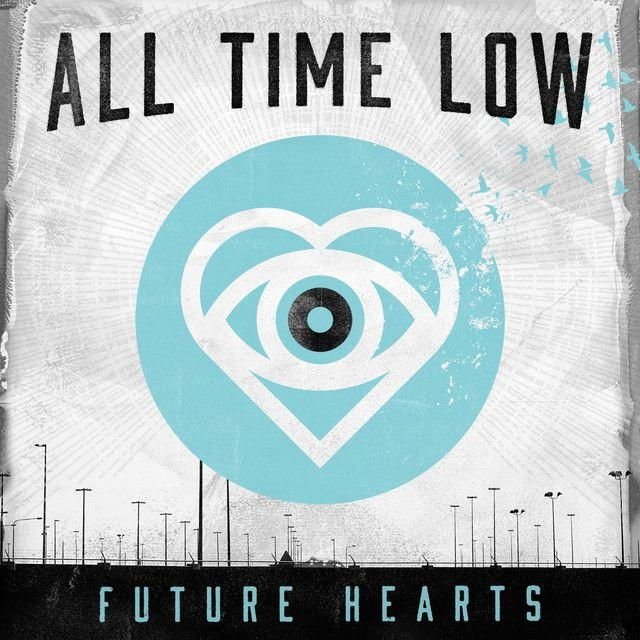
Factually, the track appears on Future Hearts (2015), and Alex Gaskarth told Kerrang! it was "a big middle finger" to people who had wronged the band and others in their lives, adding that it pushed back against the idea that using people is a smart way to get ahead. That summary, reported by Songfacts, fits the lyrics closely.
So the song works as both a personal breakup-style confrontation and a wider statement about toxic people. It is about reaching the point where sympathy ends.
Watch the official Dancing with a Wolf
music video
A narrator who stops negotiating
From the start, the speaker sounds like someone taking inventory of another person’s collapse. The early questions ask who will still care once the lies stop working. That setup matters because it flips the usual victim story. Instead of begging for understanding, they watch the liar run out of options.
The plea in the verse, take me at my word
, is important because the song presents it as too late. The person wants one more chance, but the narrator no longer believes any promise. Right after that, the song lands on emotional isolation: they are effectively told, you're on your own
.
This is the emotional engine of the track. Trust has not just been damaged; it has been revoked.
Why the chorus hits so hard
The chorus turns that distrust into open warning. When they say don't you call my name
, they are not asking for space in a gentle way. They are drawing a line. Contact itself becomes unwelcome because the relationship has already been poisoned.
Then comes the title phrase, dancing with a wolf
. Interpretation: this image suggests knowingly getting close to danger and then acting surprised when it bites. A wolf can symbolize a predator, a threat, or a wild force that cannot be tamed. In this song, the liar may be the wolf, but the phrase also hints that the liar chose a risky game and lost control of it.
The other key image is you burned a bridge
. That phrase makes the song’s logic plain: this is not a temporary fight. It is a relationship destroyed by repeated choices.
Verse by verse: how the story unfolds
The song’s narrative is simple and effective:
- The liar loses credibility.
- They beg to be believed.
- The narrator rejects them.
- The chorus turns rejection into a threat.
- The bridge makes clear this is a repeated offense, not a one-time mistake.
The bridge is especially sharp because it uses the old saying about being fooled twice. That familiar idea lets the band turn personal hurt into a rule: one betrayal may be survivable, but repeated betrayal changes how someone responds forever.
Fool me once, it's shame on you
Fool me twice
Those lines are short, but they carry the moral center of the song. The speaker is done confusing mercy with weakness.
The wolf image and the song’s bigger themes
The wolf is the song’s clearest symbol, but it works alongside other blunt images: begging, names, lies, and broken bridges. Together, they build a world where social trust has failed.
Interpretation: one reading is that this is aimed at an ex or former friend who kept crossing lines. Another is that it targets industry figures, fake allies, or anyone who treated people as tools. Gaskarth’s comment supports that broader reading, because he linked the song to people who had "screwed us over" in the past, not just one romance.
That broadness is part of why the song connects. Listeners can hear it as a breakup song, a friendship fallout song, or a statement about self-respect after manipulation.
How the sound sells the message
Musically, the track matches its hostility. All Time Low are known for mixing pop-punk hooks with polished alternative-rock production, and this song leans into the heavier side of that balance. The guitars are punchy, the drums drive hard, and the chorus is built to sound like a collective shout rather than a private thought.
That matters for meaning. A softer arrangement might have made the lyrics sound wounded or reflective. Here, the band chooses force. The repeated hook feels like a door being slammed over and over. Even the gang-vocal energy in the refrain gives the song a public, almost tribunal-like mood, as if the liar is being judged in full view.
The melody helps too. The verses carry tension, then the chorus releases it through aggression, not relief. That structure mirrors the emotional story: pressure builds, but instead of forgiveness, it explodes into refusal.
Why fans still respond to it
Part of the song’s appeal is its clarity. It does not hide behind vague poetry. It names the offense, rejects the excuse, and makes the consequence feel immediate. For fans of Future Hearts, that directness fits an album often concerned with resilience, damage, and survival under pressure.
Just as important, the song captures a feeling many listeners know well: the moment they realize that someone’s apology only arrives after their mask slips. In that sense, the track is less about revenge than about boundaries.
Final takeaway from the fallout
The meaning of Dancing with a Wolf All Time Low is that some people mistake kindness for weakness until their lies stop working. The song answers that kind of betrayal with anger, distance, and self-protection.
Their message is simple: once trust is burned, there may be no way back. Interpretation disclaimer: this reading is based on the lyrics, the song’s sound, and published artist comments, but song meaning can stay open to personal interpretation.









