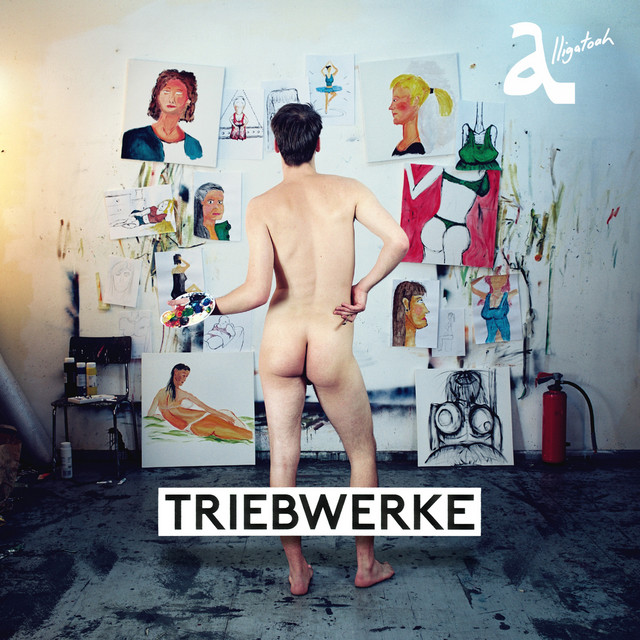
Willst du by Alligatoah
The meaning of Willst du Alligatoah starts with a joke that quickly turns dark. On the surface, the song sounds like an outrageous love proposal. Underneath, it is a sharp satire about people who confuse romance with destruction.
"Willst du" - Alligatoah
Will jeder wissen, keiner hilft uns, Fair play
Gott sei dank gibt es Film und Fernsehen
Loading lyrics...
Unable to load lyrics
We're unable to display the lyrics at this time. Please try again later.
Alligatoah, the stage name of Lukas Strobel, is known in German rap for mixing humor, social critique, and theatrical storytelling. In this track, they build a narrator who has learned love from screens, clichés, and dramatic fiction instead of real care. That is why the song feels catchy, funny, and deeply uncomfortable at once.
A Love Song Built on Bad Ideas
At its core, the song presents a person trying to sell a toxic future as if it were a dream relationship. The narrator invites someone into a life of addiction, emotional collapse, and chaos, but packages it with romantic language and cinematic images.
That contrast is the whole point. When the hook asks Willst du mit mir Drogen nehmen?
, it is not just being provocative. It exposes how dangerous behavior can be dressed up as intimacy. The line sounds like a proposal, but the future being offered is ruin.
Interpretation: The song is less about drugs alone than about the glamor of self-destruction. It mocks the idea that suffering automatically makes a relationship deep or meaningful.

Watch the official Willst du
music video
How Media Fantasy Shapes the Narrator
Early in the song, the narrator says they learned from film and television. That detail matters a lot. It suggests they do not understand love through empathy or commitment. They understand it through scripts.
They imagine trauma, rebellion, addiction, and grand gestures as ingredients of a memorable romance. Even the promised image of rote Rosen regnen
feels fake on purpose. It sounds beautiful, but it comes attached to a terrible offer.
This is where Alligatoah’s writing is especially sharp. The narrator keeps trying to turn ugly moments into scenes that look poetic on camera. Vomit, dependency, and collapse are treated like cute couple milestones. The joke lands because the listener can hear how absurd that is.
The Chorus Turns Romance Inside Out
The chorus is the song’s trap. It is simple, memorable, and easy to sing along to. That pop-like structure mirrors the theme: harmful ideas often spread best when they arrive in polished, catchy form.
The repeated call to zusammen den Bach runter
makes the message even clearer. In German, that phrase means going downhill together. The narrator sells mutual ruin as loyalty, as if sinking side by side proves love.
Komm, wir gehen
zusammen den Bach runter
That brief refrain captures the song’s central twist. Togetherness is presented as romantic, even when the destination is obvious disaster.
What Happens in the Verses
The verses move through increasingly disturbing fantasies:
- The narrator offers a dramatic, rebellious relationship.
- They imagine drug use as montage-worthy romance.
- They turn sickness and instability into dark comedy.
- They escalate into domestic collapse and movie-style violence.
This rising intensity matters. The song keeps asking the listener to notice how easily fiction can make awful behavior seem stylish. Scenes that should feel tragic are delivered with a grin.
When the narrator talks like this is all romantisch
, the word becomes ironic. They are not describing healthy closeness. They are showing how broken thinking can rename harm as passion.
Symbols of Wreckage, Treasure, and Performance
One of the key images is the line about a wreck holding a treasure. It is one of the song’s most revealing metaphors. The idea sounds profound, but in context it is deeply suspect.
Interpretation: The narrator seems to believe damage makes people special, or that a ruined relationship hides some deeper beauty. That belief appears in real life too, when people mistake chaos for emotional depth.
The song also keeps returning to performance. Everything is staged like a soap, a montage, or a prestige movie. Even private suffering becomes a scene. That suggests the relationship is not being lived honestly. It is being directed.
Why the Sound Supports the Meaning
Musically, the track helps sell the satire. It blends hip-hop with a polished, almost sing-along chorus, which makes the unsettling words hit harder. The production gives the hook anthemic lift, while Alligatoah’s delivery balances deadpan humor and theatrical exaggeration.
That contrast is essential to the meaning of Willst du Alligatoah. If the song sounded purely bleak, the satire would be flatter. Because it sounds inviting, the listener feels the exact temptation the lyrics are mocking.
Factually, the song is associated with German hip-hop/rap, and the user-provided credits identify Lukas Strobel as the writer. That fits Alligatoah’s broader style: clever concept songs, character voices, and social commentary wrapped in entertainment.
A Character Study, Not a Confession
It helps to hear the song as a performance piece. The “I” in the lyrics is best understood as a narrator or character, not automatically the artist speaking plainly for themselves.
That distinction matters because the song uses exaggeration. The later verses become so extreme that they expose the fantasy as grotesque. The narrator is not offering real wisdom. They are showing how deluded and media-soaked their idea of love has become.
The Bigger Takeaway
So, what is the meaning of Willst du Alligatoah? It is a darkly comic critique of romanticized ruin. The song turns a love invitation into a portrait of emotional immaturity, media-fed fantasy, and the dangerous habit of calling harm beautiful.
Its brilliance lies in how fun it sounds while saying something ugly. That tension is exactly why the song lasts in people’s minds: it makes them laugh, then makes them notice what they were singing along to.
Disclaimer: This interpretation is based on the lyrics provided and widely recognized features of Alligatoah’s satirical style. Song meaning can remain open to different readings.








