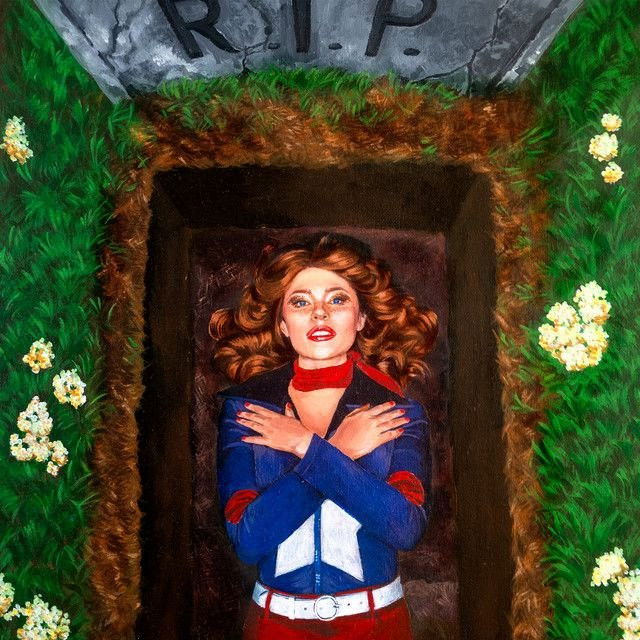
Why Allison Ponthier Sings About Disappearing
The meaning of Faking My Own Death Allison Ponthier comes down to reinvention. The song imagines escape as something almost theatrical: not just leaving town or ending a relationship, but vanishing so completely that an old self can no longer be reached.
"Faking My Own Death" - Allison Ponthier
Count on me like clockwork
It won't work
Loading lyrics...
Unable to load lyrics
We're unable to display the lyrics at this time. Please try again later.
That idea fits the larger story around Ponthier’s debut EP Faking My Own Death, which explored her Texas upbringing, move to New York City, coming out, and personal rebuilding, as described in interviews with Paste and American Songwriter.
The Core Message Hiding in Plain Sight
At its center, the song is about a person trapped in a pattern. They keep warning others not to depend on them, because they already know they are about to leave. The early lines present disappearance as a habit, not a one-time decision.
A key phrase is you'll never see me again
. It sounds blunt, but the real point is less cruelty than self-awareness. The narrator knows they tend to sever ties before things can settle.
Interpretation: this is a song about self-protection turning into self-erasure. Instead of working through pain, the speaker imagines a total reset.

Watch the official Faking My Own Death
music video
A Chorus About Escape, Not Doom
The chorus gives the song its striking metaphor: faking my own death
. In plain language, the narrator is not celebrating destruction. They are describing the fantasy of becoming unreachable.
That idea grows sharper with burn the bridge
and rising from the ashes
. One image is about cutting off return routes; the other is about coming back transformed. Together, they create a cycle of disappearance and rebirth.
Don't hold your breath
I'm faking my own death
Those lines make the song sound dramatic, but the emotion underneath is weary. The speaker is not thrilled by the process. They sound resigned to it.
The Pattern Behind the Story
One of the song’s strongest lines is Typical, it's so cyclical
. That short phrase unlocks the whole track. This is not just about one breakup or one move. It is about repeated behavior.
The verses suggest a person who changes plans, slips away, and struggles to stay consistent. Later, the song admits being stuck repeating history
. That confession matters because it shifts the song from blame to accountability.
Instead of saying other people caused the problem, the narrator admits they are caught in a loop. That makes the song feel more intimate and more mature than a simple revenge anthem.
How Allison Ponthier’s Story Informs the Meaning
Context helps here. In a Paste interview, Ponthier said the title track deals with “cycles of renewal” and the personas she used while in Texas and while starting over in New York. That makes the song feel less like fiction and more like a stylized version of real emotional history.
American Songwriter also reported that the EP traces her Texas upbringing, 2017 move to New York, coming out, and self-reinvention. Ponthier said she had spent much of her life “faking being awesome or competent,” then wanted to share more honest thoughts instead.
That background matters because the song is not only about disappearing from others. It is also about quitting false versions of the self.
Persona Versus Authentic Self
Interpretation: the “death” in the title may be the death of a persona. When the narrator disappears for “three years,” the absence can be heard as emotional distance, a long season of change, or a private rebuilding period before returning in a truer form.
This reading lines up with Ponthier’s broader comments that the EP was cathartic and helped her explore things she had avoided discussing.
Why the Sound Supports the Lyrics
Even on the page, the song feels punchy and hook-driven. In context with Ponthier’s debut-era style, that matters. Paste described her work as rooted in folk-rock with nods to the ’60s and ’70s, while American Songwriter emphasized the EP’s blend of country and folk storytelling.
That blend suits the song’s meaning. Country and folk often tell stories of leaving, regret, and self-invention. But this track’s title and chorus add a pop-sized dramatic twist, making an internal crisis sound cinematic.
The repeated hook works like a mantra. Each return to the title phrase makes the urge to vanish sound more practiced, almost ritualistic. The effect is catchy on the surface but uneasy underneath.
More Than a Breakup Song
Listeners could hear the song as a breakup track, and that is a fair reading. The lyrics do include direct address and emotional distance. But the song feels bigger than one relationship.
The mention of changing identities, repeating history, and re-emerging later suggests a battle with the self. In that sense, the most important relationship in the song may be the narrator’s relationship with their own habits.
That idea echoes Ponthier’s comment to Paste that the most complicated relationship a person has is often the one with themselves.
The Lasting Meaning of “Faking My Own Death”
So what is the meaning of Faking My Own Death Allison Ponthier? It is the sound of someone admitting they have tried to solve pain by becoming someone else. The song turns escape into a vivid metaphor, then quietly shows how exhausting that pattern can be.
Its power comes from that tension: the fantasy of disappearance versus the harder work of real change. Ponthier makes the idea memorable by using fire, ashes, and absence, but the emotional truth is simple. Reinvention can be necessary, but if the same wounds follow, every fresh start begins to look like another loop.
Disclaimer: This interpretation is based on the released lyrics and publicly available interviews. Like any song, it can support more than one valid reading.









