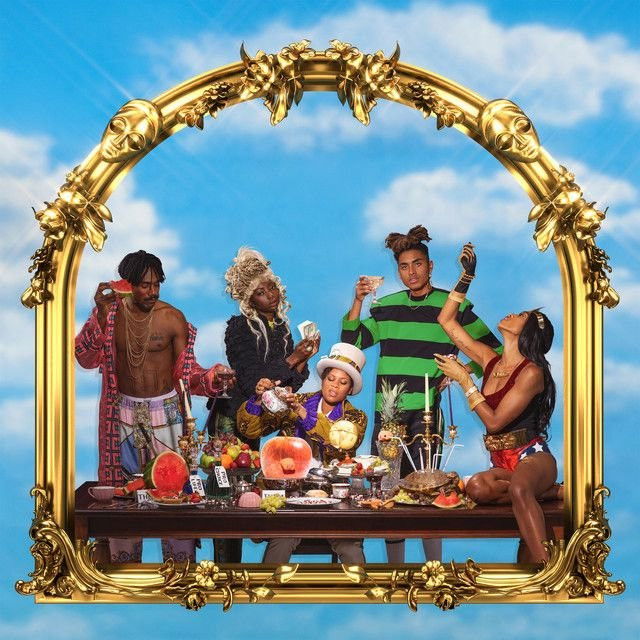
Envious by Aluna: Jealousy on the Dance Floor
Aluna’s “Envious” turns a familiar feeling into something sharp, restless, and hard to control. The meaning of Envious Aluna comes down to this: jealousy is not shown as a minor flaw. It is shown as a force that can change behavior, cloud judgment, and push love toward damage.
"Envious" - Aluna
You know I'm cruel when I see red
And I'm losing my head
Loading lyrics...
Unable to load lyrics
We're unable to display the lyrics at this time. Please try again later.
The song is especially striking because it does not hide behind cool detachment. Instead, they present envy as embarrassing, painful, and frightening all at once. That honesty is what gives the track its emotional pull.
The Heart of the Song: A Warning and a Confession
At its core, “Envious” is about someone who knows their emotional weak spot and says it out loud. The narrator is not proud of how jealousy affects them, but they are brutally aware of it. When they plead Don’t make me envious
, it sounds like a request to a partner, but also like a plea to themselves.
That double meaning matters. The song is not only blaming another person for playing games. It also admits that envy unleashes a side of the narrator they do not fully trust. Phrases like losing my head
and make me dangerous
show that this emotion feels bigger than simple irritation.
Interpretation: The song suggests that jealousy is a symptom of deeper hurt. The narrator wants closeness and reassurance, but what they receive instead is uncertainty and provocation.

Watch the official Envious
music video
Who They Are Singing To
The story points to a partner who seems to know exactly how to trigger a reaction. One key image is the person standing nearby with another woman, seemingly to provoke sadness and anger. That gives the song a clear dramatic setup: the narrator wants love, while the other person appears to enjoy testing limits.
This is why the line about wanting love instead of games hits so hard. Beneath the dance-pop surface, the conflict is simple and relatable. They are not asking for perfection. They are asking for emotional safety.
A quick timeline of the song’s conflict
- The narrator admits they are seen as strong.
- They reveal that anger and sadness break through that image.
- They describe a partner who knows how to
get to me
. - The chorus turns envy into a danger signal.
- The song ends in repetition, as if the feeling cannot be shut off.
That structure makes the song feel trapped in a loop, which fits jealousy perfectly.
Why the Chorus Feels So Intense
The chorus is where the song’s emotional stakes become clear. The image see red
is common, but Aluna uses it well. It blends anger, jealousy, and alarm into one fast picture. The song does not treat envy as quiet suffering. It treats it like an emotional overload.
There is also a telling contrast in the chorus: destruction versus movement. The narrator fears being pushed toward damage, then asks the other person to dance for me instead
. That shift is important. Dance becomes the safer outlet, a way to redirect pain before it turns cruel.
This idea connects closely to Aluna’s own description of the song as a “cry dance” track, a phrase quoted in Paste. They said it captures the feeling of releasing emotions while dancing and crying at the same time. That comment helps explain the song’s whole design: it is meant to ache and move at once.
How the Sound Carries the Meaning
“Envious” gains much of its force from that emotional split. The production leans into sleek dance-pop and electronic rhythm, but the lyrics stay jagged and wounded. That contrast is a big part of the meaning of Envious Aluna.
Instead of making jealousy sound heavy and slow, the song puts it in motion. The beat keeps the body active even while the words describe emotional collapse. This creates tension: the listener is invited to dance through feelings that are close to exploding.
That approach fits Aluna’s broader artistic identity. As Paste noted, “Envious” was released as a single from her debut solo album Renaissance. In that context, the song feels like part of a larger project about self-definition, pleasure, and emotional honesty on the dance floor.
Strength, Shame, and Self-Knowledge
One of the smartest details in the lyric is the claim that people think the narrator is strong. That matters because it adds shame to the jealousy. They are not only upset; they are upset at themselves for being upset.
And I don't want your games now
I just want your love
And I don't want this pain
It'll make me merciless
This is the song’s clearest emotional center. It strips away performance and gets to the basic need underneath the chaos. The narrator is not hungry for revenge. They want tenderness, but they fear pain will turn them hard.
Interpretation: That is why the song feels more vulnerable than vindictive. Even its threats sound like warnings about what pain can do, not declarations of power.
A Wider Reading Beyond Romance
On the surface, “Envious” is about romantic jealousy. But it can also be heard more broadly. Envy often comes from comparison, insecurity, and fear of being replaced. Those feelings go beyond dating.
In that sense, the song speaks to a modern emotional habit: knowing exactly what hurts, yet still getting pulled into it. The repetition at the end reinforces that cycle. The trigger is known, the pattern is known, and yet the feeling keeps returning.
Final Take on the Meaning
The meaning of Envious Aluna lies in its honesty about jealousy as both desire and danger. It is a song about wanting love, seeing it threatened, and feeling the self start to slip. What makes it memorable is that it does not separate heartbreak from movement. It turns them into one experience.
That is why “Envious” works so well: it understands that sometimes people do not cry instead of dancing. They cry while dancing.
Disclaimer: This interpretation is based on the song’s lyrics, performance, and available artist commentary. Like all art, “Envious” can support more than one valid reading.








