
Dreams Tonite by Alvvays: Memory in Motion
The meaning of Dreams Tonite Alvvays comes down to a painful, simple question: what happens when seeing someone again does not bring them back? The song turns a chance meeting into a spiral of memory, longing, and emotional doubt. It is romantic, but it is also uneasy. They present love as something half-alive, surviving in flashes, habits, and dreams rather than in a stable relationship.
"Dreams Tonite" - Alvvays
Now you're one of us
It was magic hour
Loading lyrics...
Unable to load lyrics
We're unable to display the lyrics at this time. Please try again later.
Released on Antisocialites in 2017, “Dreams Tonite” sits in the middle of Alvvays’ gift for pairing sparkling indie-pop with emotional confusion. The band is led by Molly Rankin, and this song is credited to Rankin and Alec O’Hanley. That matters because their writing often mixes sharp images with melodies that feel lighter than the feelings underneath.
The Heart of the Song Is a Near-Reunion
At its core, the song imagines an encounter with an old love and asks whether that encounter would heal anything at all. The chorus circles one thought: if I saw you on the street
. Instead of leading to closure, that image opens a deeper fear. Would seeing this person in real life make them less haunting, or would it send them straight back into the mind at night?
That is why the title matters. “Dreams Tonite” is not only about sleep. It is about the way memory keeps rewriting a relationship after it ends. The singer seems caught between the physical world and the private world of replayed scenes, imagined conversations, and emotional leftovers.
Interpretation: The song suggests that some relationships become harder to escape after they are over, because they continue in thought long after they stop in life.
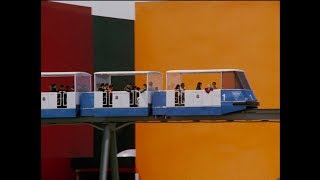
Watch the official Dreams Tonite
music video
Verse Images That Feel Ordinary and Strange
The opening verse uses everyday details like a bus ride, highways, and passing bikes. Those details ground the song in a real place, but they also feel blurred, like snapshots from an old afternoon. The phrase magic hour
hints at sunset, a time when everything looks beautiful but temporary. That image fits the song’s emotional logic: the relationship may have felt vivid, but it was always slipping away.
Later, the song moves into weirder, colder spaces. There is a mention of fluorescent light
and the word “Antisocialites,” which also names the album. These details make the world feel detached and urban. The romance is not happening in a warm, timeless dream. It is happening among awkward rooms, lonely routines, and people who struggle to connect.
The Repeated Questions Matter
Two lines in the verses do a lot of thematic work. One asks who starts something only to let it die. Another asks who builds something just to watch it collapse. Paraphrased, the song wonders why people create intimacy if they cannot protect it.
Those questions make the breakup feel bigger than one bad event. They suggest a pattern of human behavior: people make promises, begin feelings, and build emotional structures they cannot sustain.
Why the Chorus Hurts So Much
The hook is catchy, but it is built around uncertainty, not confidence. The key phrase, dreams tonight
, sounds soft and romantic. In context, though, it carries frustration. The singer is not saying they want sweet memories. They are asking whether memory is now the only place left for this person.
That gives the chorus its sting. It imagines contact, then immediately doubts what that contact would mean. Even if the two people crossed paths, the emotional distance might remain untouched.
Don't sit by the phone for me
Wait at home for me
This brief moment sharpens the song. It sounds like a warning, maybe even an act of mercy. The singer seems to know they cannot give this person what they once wanted. Yet the next lines turn spiritual and ghostly, suggesting that the person still hangs over them emotionally.
Sound and Production: Bright Music, Bruised Feelings
A big part of the meaning of Dreams Tonite Alvvays comes from the contrast between sound and subject. Musically, the track glows. The guitars jangle, the drums push steadily forward, and the melody lifts even when the words sink. That contrast is classic Alvvays.
Their production style often draws from indie pop, dream pop, and jangle pop. Here, the shimmer matters because it mirrors the way nostalgia works. Pain rarely returns in a raw form. It often comes wrapped in beauty. The arrangement gives the listener momentum, while the lyrics describe someone emotionally stuck.
Molly Rankin’s vocal delivery adds another layer. She does not oversell the feeling. She sounds controlled, almost conversational at times, which makes the longing feel more believable. Instead of a dramatic breakup anthem, the song feels like someone thinking in circles while trying not to fall apart.
A Song About Motion Without Progress
One of the smartest images is merry-go-round
. It captures the whole emotional structure of the song. A merry-go-round moves, but it never arrives anywhere. That is exactly how the narrator seems to feel: active in thought, stuck in outcome.
The song keeps returning to loops:
- repeated questions
- repeated memories
- repeated chorus lines
- repeated emotional doubt
That looping design is not accidental. It lets the listener feel what the singer feels. They are trapped in recurrence.
Two Strong Readings of the Lyrics
Interpretation 1: The song is about unresolved post-breakup longing. In this reading, the narrator still loves the other person but knows the relationship cannot be repaired. The details about ghosts, waiting, and dreams all support that.
Interpretation 2: The song is about the unreliability of nostalgia itself. In this reading, the real problem is not only missing someone. It is the way memory turns them into an idea. Seeing them again might break the spell, or deepen it.
Both readings fit because the song never fully chooses between desire and self-protection. That ambiguity is part of its power.
Why It Connects So Deeply
“Dreams Tonite” has lasted because it captures a common modern feeling: being unable to tell whether they miss a person, a past self, or just the mood of what once seemed possible. The song is catchy enough to live on playlists, but emotionally exact enough to stay with listeners longer.
For many fans, that is Alvvays at their best. They make songs that sparkle on first listen and ache on the fifth.
Final Take on Its Meaning
The meaning of Dreams Tonite Alvvays is less about reunion than about afterimages. It shows how love can survive as habit, fantasy, and unanswered questions even after real closeness has faded.
That is an interpretation, not a confirmed statement from the band. Like many Alvvays songs, its meaning stays open enough for listeners to bring their own history to it.









