Why ‘Holdin’ on to Yesterday’ Still Hurts
The meaning of Holdin' on to Yesterday Ambrosia comes down to one painful idea: they are stuck between memory and acceptance. The song follows a speaker who knows the past is over, yet still cannot stop living inside it. That tension gives the track its emotional force.
"Holdin' on to Yesterday" - Ambrosia
I keep holdin' on enough to say
That I'm wrong
Loading lyrics...
Unable to load lyrics
We're unable to display the lyrics at this time. Please try again later.
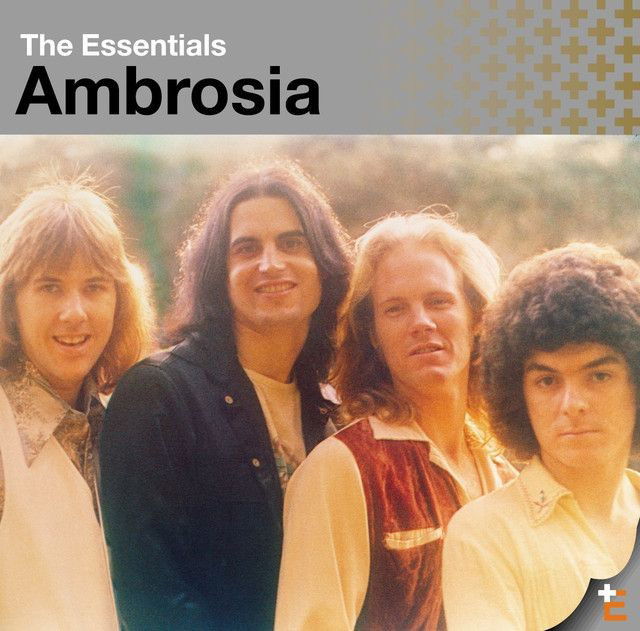
Released in 1975 as Ambrosia’s debut single from their self-titled album, the song became the band’s first major hit, reaching No. 17 on the Billboard Hot 100. It also stands out in their catalog because, as Songfacts notes, it is more direct and openly wounded than some of the band’s more elaborate progressive material.
A breakup song about memory’s grip
At its core, this is a song about losing someone and then realizing the real battle begins afterward. The relationship is gone, but the mind keeps replaying it. The title phrase, holdin' on to yesterday
, is not romantic in a dreamy way. It sounds heavy, almost like a habit the speaker knows is unhealthy.
That is why the chorus matters so much. The speaker keeps returning to the past, then admits that I'm wrong
. This confession turns the song from simple heartbreak into self-awareness. They are not just sad; they know they are helping their own sadness continue.

Watch the official Holdin' on to Yesterday
music video
The verses move from loneliness to regret
The first verse gives the song a subtle twist. The speaker thinks they are lonely, but then corrects that feeling: it is not empty life in general, it is the absence of one person. That idea is captured in missing you inside
. In other words, this is not abstract depression. It is grief with a clear face and name behind it.
The next thought deepens the wound. The past days together feel vivid, yet unreachable. The memories seem close enough to touch, but they will not return to life. This is where the song’s nostalgia turns cruel. Memory preserves emotion, but it cannot restore the relationship.
The chorus is really about surrender
Many soft rock choruses ask the listener to share the singer’s pain. This one does something more interesting: it admits defeat. The repeated phrase keep holdin' on
sounds stubborn at first, but the full idea shows they are trapped in a pattern they no longer believe in.
holdin' on to yesterday
enough to say
that it's wrong
That short turn is the key to the song’s meaning. The speaker does not celebrate devotion to the past. They expose it as a form of emotional refusal. Interpretation: the chorus sounds like a person talking themselves toward acceptance, even if they have not fully arrived there yet.
A prayer, a plea, or just heartbreak?
One line introduces Lord I don't know
, which opens a possible second reading. Factually, the song is most often understood as a lost-love ballad. Songfacts describes it as a heartfelt song about missing an ex or former partner, and that reading fits the rest of the lyric best.
Still, the brief address to "Lord" adds a spiritual shade. Interpretation: some listeners may hear this as a prayer from someone so overwhelmed that they turn upward when no human answer is left. That does not make the song strictly religious. It simply widens the emotional frame from private sorrow to existential confusion.
Regret is the song’s deepest wound
If longing powers the first half, regret powers the second. The line about not knowing they would need this person so much reframes the breakup. They are not only mourning loss; they are judging their past self for failing to see the value of what they had.
That is a common and very human form of grief. People often survive the end of a relationship twice: first as loss, then as hindsight. Ambrosia capture that second pain with unusual clarity. The speaker imagines they would have held on tighter if they had known what was coming. That thought cannot change reality, but it can haunt them.
Why the music sounds like memory
The arrangement helps explain why the song lingers. Ambrosia were known for strong musicianship, and the track mixes soft rock emotion with a more textured, artful sound. According to documented personnel, David Pack sings lead and plays guitar, Christopher North adds organ and piano, Joe Puerta plays bass, Burleigh Drummond handles drums, and Daniel Kobialka contributes violin.
Those choices matter. The organ gives the song a warm, church-like depth, while the violin sharpens the ache. Songfacts specifically points to the violin as a major emotional element, and it is easy to hear why: it sounds like memory stretching itself out. The tempo is steady, but never rushed, which lets regret settle in rather than flash by.
Why it connected in 1975 and still connects now
Part of the song’s lasting appeal is its honesty. It does not pretend heartbreak is noble or dramatic all the time. Instead, it shows how people can know better and still keep repeating the same inner story. That mix of insight and weakness feels real.
It also helped that the single was successful. A Top 20 U.S. hit gave Ambrosia a strong arrival, but the song’s reputation has lasted because listeners still recognize themselves in it. Anyone who has replayed old conversations, old days, or old mistakes can hear the truth in its central confession.
The lasting takeaway
The meaning of Holdin' on to Yesterday Ambrosia is not simply that someone misses a former love. It is that they understand memory can become a trap, and they are caught in it anyway. The song turns that contradiction into something graceful, sorrowful, and deeply relatable.
In the end, the final feeling is not hope or total despair. It is recognition. Yesterday is gone, but the heart takes longer to learn what the mind already knows.
Disclaimer: This interpretation is based on the lyrics, documented release context, and commonly cited commentary. Like many songs, it can support more than one personal reading.








