Why "Get Up" by Amel Larrieux Still Lifts
The meaning of Get Up Amel Larrieux comes through fast: this is a song about being worn down by work, pressure, and dishonesty, then refusing to stay there. Amel Larrieux turns everyday frustration into a call for self-respect. Instead of sounding bitter, they make the message feel graceful, steady, and deeply human.
"Get Up" - Amel Larrieux
Da da dumb (dum)da da dumb dumb dumb
La di dumb da da dumb da da dumb dumb
Loading lyrics...
Unable to load lyrics
We're unable to display the lyrics at this time. Please try again later.
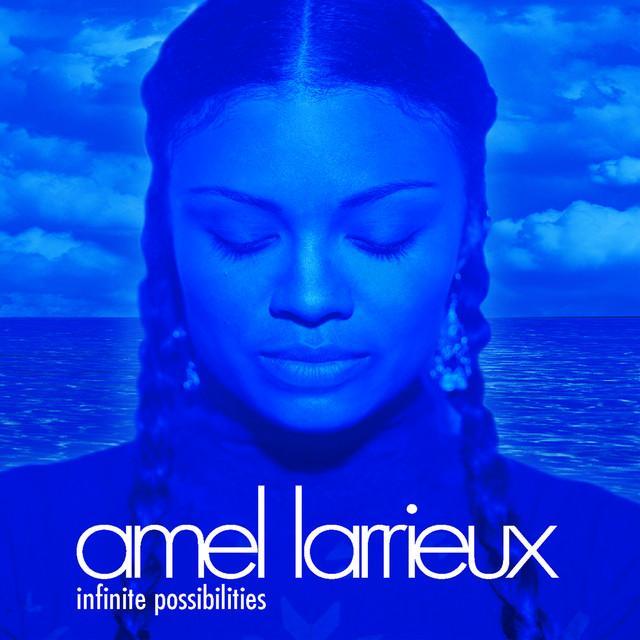
Released on October 5, 1999 as the lead single from their debut solo album Infinite Possibilities, "Get Up" marked an important new chapter after Larrieux's time in Groove Theory. According to chart data and release credits compiled by Wikipedia, it became their only solo entry on the US Billboard Hot 100, reaching No. 97, while also charting on R&B and dance lists. That modest crossover matters because the song sounds more intimate than flashy, which fits the artistic path critics later saw across their solo work.
A Wake-Up Call Hidden Inside a Groove
At its core, the song describes a person stuck in a draining routine. The opening image of Six a.m.
sets the tone right away. They are not singing about abstract sadness. They are singing about the kind of defeat that starts before breakfast, when survival leaves little room for rest.
The first verse points to labor that is exploited and undervalued. The song says this plainly with phrases like sleep ain't gonna pay the rent
and stealing your raise
. In simple terms, the speaker sees a system that takes effort from ordinary people and gives back too little.
That makes the chorus hit harder. When Larrieux asks when you gon get up
, it does not sound like blame. It sounds like a challenge wrapped in care.

Watch the official Get Up
music video
The Real Conflict Is Dignity
More than anything, "Get Up" is about dignity under pressure. The second verse warns that some people will pull the wool
over someone's eyes for their own gain. The song links lies, exploitation, and emotional manipulation into one larger problem: people in power often depend on others feeling weak.
Larrieux answers that problem with a small but powerful reminder: pride may be all someone has left, but it still matters. Interpretation: this is the song's moral center. "Getting up" is not only physical action. It is reclaiming self-worth after being treated as disposable.
That idea gives the track a wider meaning than a simple motivation anthem. It speaks to workers, dreamers, and anyone who feels used by institutions or relationships. The language stays broad enough for many listeners to see themselves in it.
Why the Chorus Feels Like Tough Love
The chorus repeats its question instead of offering a detailed solution. That choice is smart. Repetition turns the hook into a push, almost like a friend refusing to let someone surrender.
I know you're down but when you gon get up
This is the article's only extended lyric quote, and even here the point is plain: the song first recognizes pain, then insists on movement. It balances empathy with urgency. That balance is why the hook feels memorable instead of preachy.
A Message Aimed at "You"
Even though the song comes from Larrieux's point of view as a writer and performer, the lyric address is mostly second person. They sing to a "you" who is struggling. That direct address makes the song feel conversational, almost like personal coaching set to music.
Mos Def Expands the Song's World
One reason the remix version became especially notable is Mos Def's guest verse. His appearance shifts the focus from private discouragement to public ambition. He raps about pressure, place, and building something larger than survival.
Interpretation: where Larrieux's verses talk about exhaustion, Mos Def adds motion. He frames perseverance as community work, not just self-help. His lines about creating and making sure the children are cared for push the song toward social purpose.
That broader angle fits late-1990s neo-soul's best work, where personal struggle often connected to culture, class, and self-definition.
How the Sound Carries the Meaning
"Get Up" works because its production does not overpower its message. Wikipedia credits Amel Larrieux and Laru Larrieux as both writers and producers, which matches the close creative partnership often noted in discussions of their solo catalog. Critics at PopMatters later described Larrieux's music as intimate, textural, and shaped by layered vocals, while Pitchfork's writing on Groove Theory places their style in a restrained, atmospheric R&B tradition rather than a loud pop one.
That context helps explain the song's effect. The groove is smooth, but not sleepy. The beat keeps nudging forward, and the vocal arrangement softens the edges without weakening the point. The result is motivational music that still sounds elegant.
Soft Delivery, Firm Message
Larrieux does not shout the song's thesis. They glide through it. That matters because the calm delivery suggests real strength. The song argues that rising up does not always look dramatic. Sometimes it looks like holding composure, keeping clarity, and refusing to fold.
Why "Get Up" Still Connects
The meaning of Get Up Amel Larrieux lasts because the problem it names has not gone away. Wage pressure, emotional fatigue, and manipulative power structures still shape everyday life in the United States. The song remains useful because it does not deny how hard things are.
Instead, it offers a clean emotional sequence:
- Recognize the hurt.
- Name the unfairness.
- Refuse humiliation.
- Rise anyway.
That is a timeless structure for a resilience song.
Final Take on the Song's Purpose
"Get Up" is best heard as an anthem of recovery, pride, and action. It speaks to people who are tired, but not finished. Interpretation: its deepest message is that getting up is not a single heroic moment. It is a repeated decision to keep one's spirit intact.
Disclaimer: This interpretation is based on the song's lyrics, performance, and publicly available career context. As with any song, listeners may hear meanings that differ from this reading.







