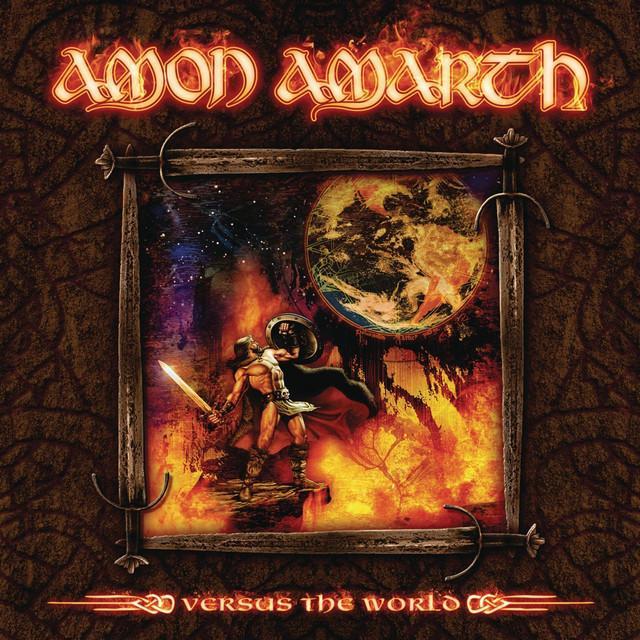
Death in Fire by Amon Amarth
Why This Song Still Burns
The meaning of Death in Fire Amon Amarth starts with a simple idea: this is a song about meeting the end of the world head-on. Rather than treating apocalypse as tragedy alone, Amon Amarth frames it as a test of courage, honor, and identity. The lyrics draw from Norse myth, especially Ragnarok, but they also work as a broader metal anthem about facing doom without surrender.
"Death in Fire" - Amon Amarth
Always charge, never bend
Morning is here, make your stand
Loading lyrics...
Unable to load lyrics
We're unable to display the lyrics at this time. Please try again later.
Amon Amarth are a Swedish melodic death metal band known for building songs around Viking history and mythology. On their official discography, the band places this song on Versus the World (2002), one of the records that helped define their early sound. That context matters, because the track is not random fantasy. It fits a long-running artistic world they have explored for years.
Watch the official Death in Fire
music video
The Core Meaning: Honor at the Edge of Destruction
At its heart, the song describes the final battle of Ragnarok as both disaster and duty. The speaker does not ask how to survive. They ask how to stand. Early lines push that idea with commands like never bend
and make your stand
. In plain terms, the song says that when collapse becomes unavoidable, character matters more than safety.
That is why the repeated phrase death in fire
matters so much. It is not just a violent image. It becomes the song’s summary of a warrior code: to die in battle, in flame, and with honor intact. The chorus turns destruction into a ritual of meaning.
Interpretation: Many listeners hear this less as a literal wish for death and more as a statement about defiance. The song treats fate as fixed, but dignity as chosen.
Ragnarok as Story and Symbol
The lyrics move through recognizable parts of Norse apocalypse. They mention battle, chaos, the breaking of Bifrost, the rise of the dead, and the fire giant Surtur. These details connect the song to the Ragnarok story found in Old Norse tradition, summarized well by the Encyclopaedia Britannica.
Here is the basic timeline the song follows:
- A final war begins.
- The world enters total destruction.
- Cosmic order collapses.
- Fire consumes the old world.
- A new world appears afterward.
That last point is important. The song does not end with annihilation alone. It says that after everything sinks and burns, renewal becomes possible. The idea that a new world
will be born gives the track more depth than pure battle imagery. Fire destroys, but it also clears the way.
How the Verses Build the Theme
The first half of the song sounds like a war summons. Phrases like total war is here
and face it without fear
make the listener feel called into battle. The language is direct, blunt, and repetitive. That simplicity is part of the effect. It sounds like a chant shouted before combat.
Then the lyrics widen from battlefield action to cosmic collapse. The song moves from swords and spears to mythic signs: bridges breaking, heavenly bodies going dark, and the dead rising. This shift makes the track feel bigger than human conflict. The battle is not just between armies. It is between order and chaos.
When the dead rise from their graves
And Surtur spreads his fire
These lines mark the turning point. The war is no longer only heroic. It becomes unavoidable destiny.
The Chorus: A Rallying Cry, Not a Reflection
The chorus is the emotional engine of the song. It keeps returning to honor, glory, and fiery death, almost like a creed. In many songs, a chorus reveals private feelings. Here, it does the opposite. It strips emotion down to action.
That helps explain why the meaning of Death in Fire Amon Amarth feels so immediate. The band does not leave much room for hesitation. The hook is built to be shouted along with, and that communal force matters. Listeners are not just hearing about courage. They are being pulled into its rhythm.
Interpretation: The chorus may also be read as a critique of warrior thinking. Its repeated ideals are so intense that they can sound glorious and grim at the same time. That tension gives the song some of its power.
How the Sound Carries the Meaning
Musically, the song supports its themes with speed, weight, and momentum. The riffing has a marching quality, while the drumming drives forward like an army on the move. The guitars are heavy but clear, which lets the song feel epic rather than chaotic.
Johan Hegg’s growled vocals are key to the meaning. He delivers the lines like battlefield declarations, not private thoughts. That vocal style makes even mythic imagery feel physical and urgent.
Production also matters. The track is polished enough to make the big chorus hit hard, but rough enough to keep its aggression. This balance is one reason Amon Amarth became such a major name in melodic death metal. They can sound brutal and anthemic at once.
Why the Song Connects Beyond Viking Myth
Part of the song’s lasting appeal is that listeners do not need deep knowledge of Norse legend to feel its message. Beneath the myth, the theme is familiar: the world may fall apart, but people still choose how to meet that moment.
That idea translates easily for U.S. listeners and for metal fans in general. The song turns fear into resolve. It imagines the end not as helplessness, but as a final chance to prove who they are.
Final Take on Its Meaning
In the end, the meaning of Death in Fire Amon Amarth is about facing doom with honor, even when defeat is certain. Its Ragnarok imagery gives the song scale, while its simple, forceful language gives it emotional punch. Fire in the song means destruction, but also transformation.
For many fans, that is why it endures: it is both a mythic battle song and a human statement about courage under pressure.
Disclaimer: This interpretation is based on the lyrics, musical context, and known themes in Amon Amarth’s work. As with any song, listeners may hear different meanings in it.









