Why 'Raise Your Horns' Feels Like a Metal Toast
The meaning of Raise Your Horns Amon Amarth becomes clear fast: this is a song about honoring victory, saluting the dead, and turning drinking into a shared ritual of memory. It sounds huge and rowdy, but its heart is surprisingly tender.
"Raise Your Horns" - Amon Amarth
We fought hard and prevailed
Brutally
Loading lyrics...
Unable to load lyrics
We're unable to display the lyrics at this time. Please try again later.
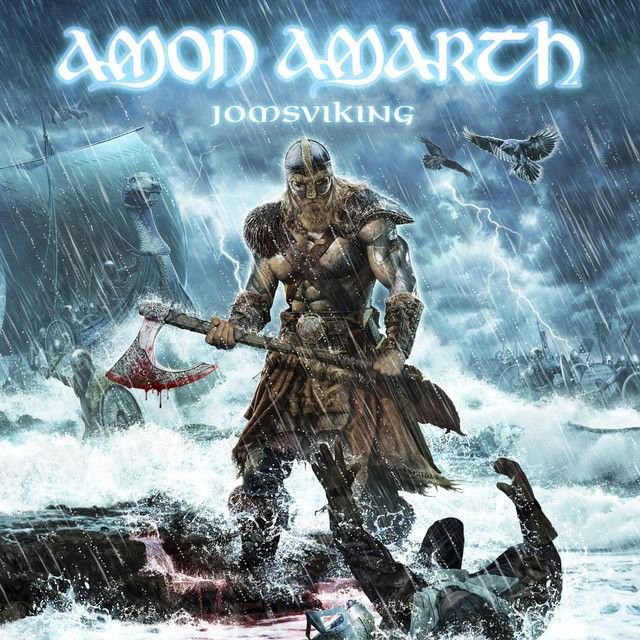
Released on the 2016 album Jomsviking, the track fits Amon Amarth’s long-running blend of melodic death metal and Norse imagery. Yet this song is less about conquest than what comes after battle. It asks what warriors owe the living and the fallen once the fighting is over.
More Than a Party Song
On the surface, the song is easy to hear as a simple beer-raising anthem. The repeated call to Raise your horns
invites a crowd to join in, and that singalong quality explains why it became such a live favorite.
But the verses add weight. They describe brutal combat, rough seas, lightning, and a return home through darkness. Those details create a hard-won setting for the celebration. The drink is not casual fun. It is something earned after survival, grief, and duty.
That is the key idea: the song treats drinking as ceremony. When they toast, they are not escaping memory. They are preserving it.
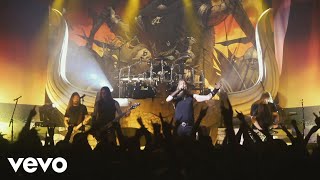
Watch the official Raise Your Horns
music video
The Story Moves From Battle to Brotherhood
The lyrics follow a simple timeline, and that clarity helps the meaning land.
First, they fight and win. Images like Stormy seas
and a battlefield lit by lightning paint the war as violent and chaotic. Nature itself seems to join the conflict.
Second, they return home. The line about the Home shore calls
shifts the song from action to reflection. They are back, but not whole. Some of their people are missing.
Third, they drink in honor of both groups: those who survived and those who did not. This is the emotional turn that gives the song its depth.
Pour a beer for those who fell
For those who did not return
Those lines are direct and plain. They do not dress loss up in fancy language. That simplicity makes the tribute feel sincere.
What the Chorus Really Means
The chorus is built like a public ritual. It asks everyone to lift their cups high and drink to glory, but that word “glory” is not just about winning. In context, glory means shared honor.
The phrase brave fallen friends
changes the mood of the hook. Without it, the chorus could sound like pure celebration. With it, the song becomes a memorial.
Interpretation: Amon Amarth seems to be saying that real brotherhood includes remembrance. Victory means little if the dead are forgotten. So the chorus turns a crowd action into a moral act: raise the horn, remember the absent, and keep them in the circle.
Viking Imagery, Human Emotions
Amon Amarth is known for songs rooted in Norse history and mythology, and this track uses that world clearly. The final promise of meeting again in Valhalla connects the dead to a heroic afterlife. That image gives comfort without making the loss disappear.
For U.S. listeners who may not know every myth reference, the emotional meaning still works. Valhalla functions as a symbol of reunion. The song says grief hurts now, but loyalty lasts beyond death.
Other motifs support that idea:
- Sea and storm: danger, fate, and the cost of war
- Beer and horns: fellowship, ritual, and earned celebration
- Ravens and twilight: death, aftermath, and memory
- Homecoming: survival mixed with absence
These symbols are classic Amon Amarth, but they are also easy to read. The band uses epic imagery to talk about very human feelings.
How the Sound Carries the Message
The production matters a lot to the meaning of Raise Your Horns Amon Amarth. On record, the song is built to feel communal. The tempo is steady and marching rather than frantic. The riffs are broad and anthemic. The drums push forward like a procession instead of a blur of chaos.
Johan Hegg’s vocal delivery is key too. His growl has authority, but it is controlled enough that the words feel ceremonial. He does not sound lost in rage. He sounds like someone leading a toast.
The chorus opens up melodically, making space for a crowd to respond. That is one reason the song translates so well onstage, as shown in the band’s official materials and Metal Blade coverage. The arrangement invites group participation, which matches the lyric’s focus on collective memory.
Artist Context Helps Explain It
Although Jomsviking is a concept album, “Raise Your Horns” works almost like a mission statement for Amon Amarth’s public identity. Their music often celebrates courage, endurance, and Norse-themed storytelling. This track strips those values down to their simplest form: fight with honor, return with gratitude, remember the dead.
That may also explain its reception. Fans often treat it as a celebration song, and they are not wrong. But it is more accurate to call it a remembrance anthem disguised as a drinking song.
The Lasting Meaning of the Toast
In the end, the song is powerful because it balances two feelings that often clash: joy and grief. They do not choose one over the other. They let both exist at once.
That is why the song lasts. It offers a simple act anyone can understand—lift a drink—and fills it with loyalty, mourning, and pride. Interpretation: beneath the Viking armor and metal force, “Raise Your Horns” is about how communities survive loss together.
Disclaimer: This interpretation is based on the lyrics, known artist context, and the song’s musical presentation. As with any song, listeners may hear different meanings.









