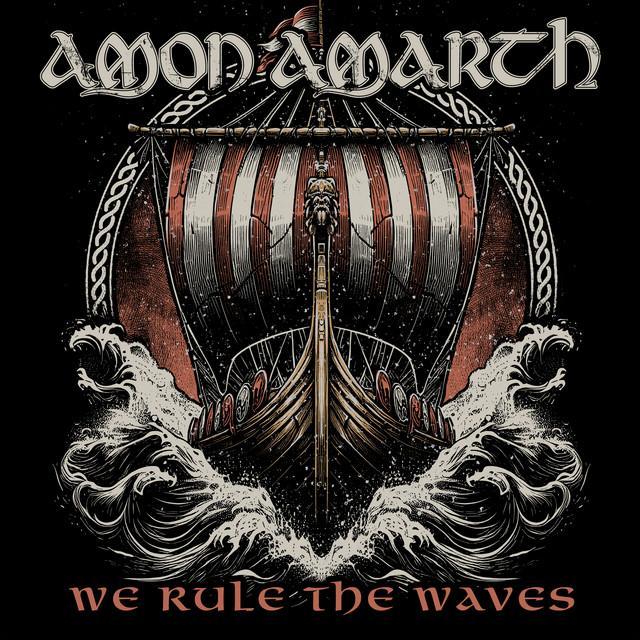
We Rule the Waves by Amon Amarth
The meaning of We Rule the Waves Amon Amarth comes through fast: this is a song about conquest, identity, and absolute confidence at sea. It speaks in a collective warrior voice, turning Viking travel and raiding into a proud creed. Rather than offering a balanced history lesson, the song aims for mythic force. It wants listeners to feel the size of the ships, the fear of the landing, and the certainty of men who think the ocean belongs to them.
"We Rule the Waves" - Amon Amarth
The rivers of the East
Our ships spread terror along the coasts
Loading lyrics...
Unable to load lyrics
We're unable to display the lyrics at this time. Please try again later.
A Battle Cry Built on Identity
The most important idea is not just violence. It is belonging. The speakers define themselves before anything else as we are Vikings
. That short phrase matters because it frames every action that follows.
They sail, raid, and threaten because they see that behavior as part of who they are. The chorus pushes that idea further with never be slaves
and from cradle until the grave
. In plain terms, the song says freedom and dominance are not choices for these characters; they are their birthright and their duty.
Interpretation: This makes the track less about one voyage and more about a total worldview. The ocean is not just a route. It is the stage where identity gets proven.
The Story Moves Like a Raid
The verses unfold in a simple, effective order, which helps the song hit hard.
- They cross northern seas and eastern rivers.
- Their ships appear like monsters on the coast.
- They land with weapons and demand surrender.
- They boast of reaching Vinland, widening their legend.
- The chorus turns all of this into a permanent claim of rule.
That structure is why the song feels so direct. Each verse adds motion, then the hook freezes that motion into a slogan: we rule the waves
. In other words, the travel scenes are there to prove the chorus true.
Sea Power, Terror, and Myth
Amon Amarth often draw on Viking-era imagery, and this song leans into some of their clearest symbols: ships, dragon heads, axes, swords, coasts, and distant shores. Those images work on two levels.
First, they create a visual world of naval warfare. The dragon-prowed ships and rushing landfall make the attack scenes easy to picture. Second, they make the Vikings seem larger than life. The line comparing the ships to beasts turns wooden vessels into something almost supernatural.
Interpretation: That exaggeration is key to the song’s meaning. It is not trying to describe ordinary sailors. It is building a legend around them.
The mention of Vinland is especially important. Historically, Vinland refers to the Norse name for part of coastal North America, tied to early expeditions from Greenland and Iceland. That reference gives the song a real historical anchor, even though the tone remains theatrical and heroic. It tells listeners that these warriors do not only raid nearby coasts; they push into the unknown.
What the Chorus Really Means
The chorus is simple, but it carries the whole track. It ties pride, freedom, and fate into one statement. When the song says until the stars fall
, it uses impossible cosmic language to make their power sound endless.
That kind of overstatement is common in epic metal. The point is emotional truth, not literal fact. They feel unbeatable, so the lyrics speak in absolutes.
Interpretation: The refrain is really about psychological dominance. The characters are trying to sound eternal because fearlessness is part of their weapon. If enemies believe these men cannot be broken, then the battle is already half won.
How the Sound Would Carry the Message
Even without quoting production notes here, Amon Amarth’s style is well known in melodic death metal: heavy rhythm guitars, driving drums, and Johan Hegg’s deep roar. That approach fits this song perfectly.
Fast or marching tempos can mimic rowing, charging, or the pounding of surf. Thick guitar riffs make the speakers sound physically unstoppable. A chant-ready chorus gives the song communal power, as if the whole crew is shouting one oath together.
This matters because the meaning of We Rule the Waves Amon Amarth is not only in the words. It also lives in repetition, force, and scale. The arrangement likely turns the chorus into something listeners can shout back, which reinforces the song’s group identity.
Amon Amarth’s Bigger Artistic Context
Amon Amarth have built much of their career around Norse history, Viking imagery, and mythic storytelling. That context shapes how this song should be heard. They are not suddenly choosing a random historical costume. They are working within a long-established artistic world.
Because of that, the song feels less like a documentary and more like a saga told through modern metal. The band’s recurring interest in battle, fate, honor, and seafaring makes this track part of a bigger pattern: using extreme metal to turn history and legend into visceral drama.
For U.S. listeners, that context matters. The song may sound like pure aggression at first, but it fits a tradition of heavy music that uses historical voices to explore power, courage, and mortality in exaggerated form.
One More Way to Read It
There is also a second, looser interpretation. Beyond Vikings, the song can be heard as a fantasy of total self-mastery. They face distance, danger, and enemies, yet still speak as if nothing can own them.
That does not erase the violent content. But it helps explain why the song can feel energizing to listeners who are not focused on history at all. Under the helmets and ships, it is also about refusing submission.
Final Take on the Song’s Meaning
The meaning of We Rule the Waves Amon Amarth is a fusion of Viking imagery, warrior pride, and ocean-going supremacy. Its lyrics present seafaring conquest as proof of identity, while the chorus transforms that identity into an eternal oath.
More than anything, the song succeeds because it thinks big. It does not ask whether these figures are moral or realistic. It asks whether they sound unstoppable. And for its full running time, they do.
Disclaimer: This interpretation is based on the song’s lyrics, themes, and Amon Amarth’s broader artistic style. As with any song, listeners may hear different meanings in it.







