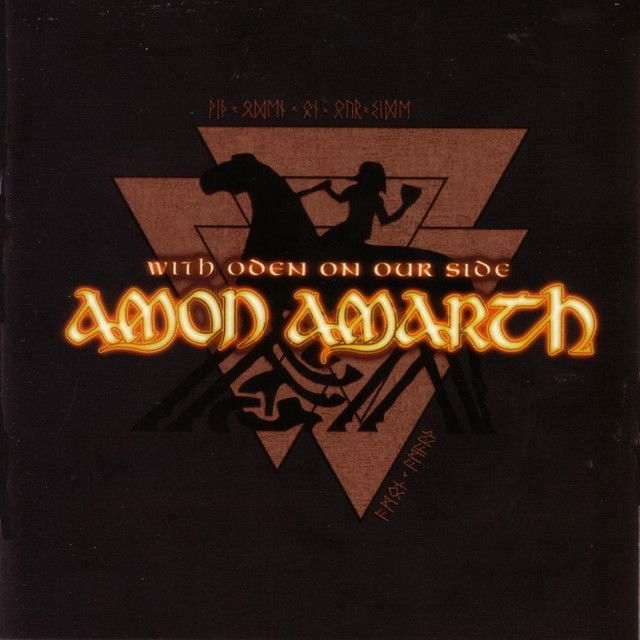
Why Amon Amarth Turned War Into Faith
The meaning of With Oden on Our Side Amon Amarth starts with a simple idea: this is a battle song about total conviction. It does not describe a fair fight, a moral debate, or a tragic doubt. Instead, it throws listeners into a brutal scene where warriors believe victory is already promised because a god stands behind them.
"With Oden on Our Side" - Amon Amarth
Our wait is at an end
Under dark winter skies
Loading lyrics...
Unable to load lyrics
We're unable to display the lyrics at this time. Please try again later.
That makes the song more than a history-themed metal track. It becomes a study of how belief can erase fear. In Amon Amarth's world, faith in Odin is not soft or private. It is a weapon.
A Battlefield Built on Absolute Belief
On the surface, the song tells a direct story. A group of fighters stands in winter, badly outnumbered, and prepares for combat. They are surrounded, angry, and ready to die if needed. Yet they never sound uncertain.
That confidence comes from the song's key claim: with Oden on our side
. The phrase turns the whole battle into something sacred. These warriors are not only fighting enemies. They think they are acting under divine approval.
Interpretation: this is the heart of the song. It is about the psychology of warriors who feel chosen. Once they believe that, fear and shame lose their power.
Watch the official With Oden on Our Side
music video
How the Lyrics Push That Idea Forward
The opening brings pressure immediately with dark winter skies
and a final stand
. That imagery matters. Winter suggests death, hardship, and a world stripped down to survival. There is no comfort here, only endurance.
The next turn is just as important. The song says the fighters are outnumbered, but they do not care. Then the repeated warning futile to resist
flips the odds. In normal logic, the smaller force should be afraid. Here, faith reverses that logic.
A short section captures the song's core stance:
No retreat
No remorse
Victory
Will be ours
This is not detailed storytelling. It is a creed. The language is simple because it is meant to sound like a chant, almost like something shouted before impact. That makes the song feel less like a personal confession and more like a collective oath.
Violence, Sacrifice, and the Odin Motif
The song is graphic about combat. Blood covers the snow, bodies are broken, and the dead become an offering. The phrase one-eyed god
points directly to Odin, who in Norse myth is tied not just to wisdom but also war, death, and sacrifice.
That matters for interpretation. The song does not present violence as random chaos. It frames it as ritual. Death on the battlefield becomes meaningful because it is connected to a larger mythic order.
For Amon Amarth, this fits a long-running artistic focus. The Swedish band is known for building songs around Norse history and mythology, but they usually aim for drama, not fantasy for fantasy's sake. Here, Odin is both a literal mythic figure in the lyric world and a symbol of warrior purpose.
Why the Sound Makes the Message Stronger
Amon Amarth recorded With Oden on Our Side at Fascination Street Studio, with Jens Bogren co-producing alongside the band. According to the same album history, it was their sixth studio album and their first to chart on Billboard's Heatseekers and Independent Albums lists. That context matters because the record captures a band sharpening its identity on a bigger stage.
Musically, this song supports its message through weight and control. The guitars do not feel chaotic. They march. The drums drive forward with military force, and Johan Hegg's growled vocal sounds less like emotional collapse and more like command.
That is a big part of the meaning of With Oden on Our Side Amon Amarth. The arrangement makes belief sound physical. Every riff feels built to suggest inevitability. When the chorus arrives, it does not soar in a hopeful way. It lands like a hammer.
Artist Context Helps Explain the Theme
In a brief Johan Hegg interview, he said the album title had several meanings and reflected the feeling that the band had "the Gods on our side" during writing and recording. That comment is about the album title, but it helps explain the song too.
Factually, the track sits on a 2006 album that marked a heavier approach and a partial return to earlier roots, as noted in album histories. So the song works on two levels:
- inside the lyric, warriors trust Odin in battle
- outside the lyric, the band channels a sense of strength and purpose
Interpretation: the song may not just celebrate Viking resolve. It may also express the power that comes from shared identity, whether that identity is mythic, cultural, or artistic.
Is the Song Celebrating War?
That is the most important question. On one level, yes: the song absolutely embraces the adrenaline, pride, and certainty of combat. It is designed to sound triumphant. Words like victorious
leave little doubt about its emotional direction.
But that does not necessarily mean it gives a modern political message. Amon Amarth often use historical and mythological framing to explore courage, fate, honor, and death. In this song, war is the stage where those values get tested.
A second reading is possible. Interpretation: the song shows how people can justify anything once they believe divine power is backing them. Because the lyrics never include self-doubt, that total confidence can sound thrilling or unsettling, depending on the listener.
The Lasting Takeaway
The meaning of With Oden on Our Side Amon Amarth is about warriors who believe faith has already decided the outcome. Winter, blood, and Odin imagery all support that central idea. The song's crushing production then turns belief into momentum.
What makes it memorable is its lack of hesitation. It does not ask whether battle is worth it. It shows what happens when a group decides the answer is already yes.
Disclaimer: This interpretation is based on the song's lyrics, album context, and publicly available artist comments. Like all art, listeners may hear different meanings in it.







