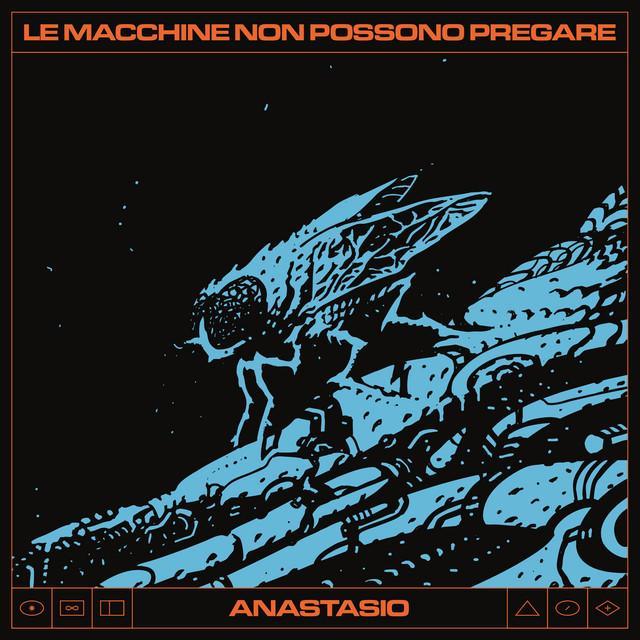
Why Anastasio's Wounded Animal Still Fights
The meaning of Sono un animale ferito Anastasio begins with a sharp conflict: a person who feels born for instinct, freedom, and danger is pushed into a world of rules, training, and controlled violence. The title itself, "I am a wounded animal," frames the speaker as hurt but not domesticated. They are still alive enough to resist.
"Sono un animale ferito" - Anastasio
Per il cielo intenso e per il piacere definitivo del lampo
E mi fu data una culla morbida ed una stanza calda
Loading lyrics...
Unable to load lyrics
We're unable to display the lyrics at this time. Please try again later.
A Cry Against Civilized Violence
At the song's center is a clash between nature and society. The speaker says they were made for raw experience, not comfort. Early images like caverna
and fionda
point to a primal life, one closer to survival and instinct than modern order.
That idea gets flipped almost immediately. Instead of wildness, they receive softness, shelter, and structure. On the surface, that sounds like safety. But the song treats it as a kind of theft. Interpretation: Anastasio's narrator is not rejecting care itself; they are rejecting a system that replaces inner freedom with obedience.
Born for Life, Trained for Death
One of the song's strongest ideas is that modern society calls itself civilized while preparing people for destruction. The speaker says they were born to live, but were matured inside what they describes as legally approved death. That line shifts the song from personal pain to social critique.
The next images make that critique clearer. They attack the pride of machines, the horror of time being trapped, and institutions that shape bodies and minds. The sequence about gyms, barracks, and schools suggests a full system of conditioning. It is not just war that wounds people; it is everyday training for conformity.
Here, the song becomes more than anger. It sounds like grief for a lost human nature. Short phrases like ero nato per vivere
and morte autorizzata dalla legge
carry that contrast with unusual force.
The Wounded Animal as a Modern Self
The phrase wounded animal can be read in more than one way. Interpretation: On one level, it is the self after society has tamed, educated, and weaponized it. On another, it is the rebel who survived long enough to see rebellion become crowded, organized, and maybe even hollow.
That matters because the song never presents the speaker as purely heroic. They are injured, confused, and still chasing something they may not fully recover. When they says they will keep chasing the perfection of these so-called savages, the line sounds bitter. The world praises discipline and progress, but the narrator sees something brutal underneath.
A Key Emotional Turn
Near the end of the verse, the song introduces vulnerability through the confession non so nuotare
. After so much fierce language, that admission is startling. It makes the speaker feel human rather than mythic.
Then comes the image of burying the knife of hatred and love in the sea. That suggests they no longer want to fight in the old way. The weapon is gone, but the wound remains.
Why the Chorus Sounds Like a Farewell
The chorus changes the song's emotional color. Instead of pure accusation, it becomes a lament. The repeated phrase mia rivolta amore mio
turns revolt into an intimate figure, almost like a lover.
That is why the refrain hurts. The speaker has spent years, seasons, tears, and poisoned darts searching for this revolt, only to sing goodbye to it. Interpretation: The song may be saying that rebellion once felt pure and romantic, but history, crowds, and ideology have made it harder to believe in.
Quanti inverni, quante estati
quante lacrime sprecate
per cantarti addio
Even in this brief passage, time is crucial. Winters and summers pile up. The goodbye is not sudden. It is the end of a long emotional and political journey.
Rebels, Soldiers, and the Same Crowd
One of the smartest moves in the lyric is placing rebels beside soldiers. The speaker searches in the crowd of both. That pairing suggests opposition can start to look alike when every group becomes a mass.
This is where the meaning of Sono un animale ferito Anastasio gets especially rich. The song does not simply praise revolt and condemn authority. It questions what happens when resistance itself becomes a crowd, a pose, or another uniform. Anastasio's writing often leans toward dense, declamatory language, and this song uses that style to blur the line between liberation and performance.
How the Sound Likely Supports the Message
Without verified production details available here, the safest claim is stylistic rather than technical. Anastasio is widely recognized for intense spoken-sung delivery and literary rap writing, including his breakthrough on X Factor Italia and later releases documented by Sky TG24 and Rockol. That background helps explain why this lyric feels built for pressure, momentum, and sharp emphasis.
Interpretation: The song likely gains meaning through a tense vocal performance more than through melodic sweetness. The piling images, repeated invocations, and stern cadence all point toward a delivery that sounds accusatory in the verses and mournful in the chorus.
Final Reading: A Goodbye That Still Burns
In the end, this song is about a person who feels made for a freer, truer life but finds themselves shaped by institutions, technology, and social violence. Their revolt is not fully dead, yet they are mourning it. That is what gives the song its power: it is both protest and elegy.
For listeners in the United States, the message feels familiar even across language. It speaks to the fear that modern life can make people efficient, educated, and connected while also making them less alive.
Disclaimer: This interpretation is based on the lyrics provided and publicly known artist context. As with any poetic song, meanings can vary from listener to listener.







