How ‘Flaca’ Cuts Deep: Meaning of Andrés Calamaro
A breakup song shouldn’t feel this alive, but “Flaca” does. Andrés Calamaro turns private pain into a sing‑along that many know by heart. The result is a portrait of love that won’t die cleanly.
"Flaca" - Andrés Calamaro
Tus puñales
Por la espalda
Loading lyrics...
Unable to load lyrics
We're unable to display the lyrics at this time. Please try again later.
What This Hurt Is Really Saying
At its core, “Flaca” is about boundaries after betrayal and the tug of nostalgia. The narrator pleads for no more damage while admitting he wasn’t blameless. It’s the contradiction that gives the song its bite.
They want distance and dignity, yet they keep circling back to memory. That tension—push and pull, pride and longing—drives the track and explains its staying power.

Watch the official Flaca
music video
The Line That Opens the Wound
Flaca no me claves tus puñales por la espalda tan profundo
This four‑line plea frames the entire song. He asks “Flaca” not to stab him in the back again, revealing both past injury and fear of repeating it. The image is sharp, physical, and immediate—he’s not healed.
Who’s Speaking—and Who’s “Flaca”?
The narrator is first‑person, addressing a former lover with an intimate nickname common in Spanish. He speaks directly, almost conversationally, as if arguing in real time. That gives the lyrics their fluid, confessional tone.
He swings between commands—don’t lie, don’t yell—and confessions of his own weakness. This rhythm of accusation and self‑critique is the song’s emotional engine.
Memory’s Archive: Roots and Closets
The song’s most enduring image might be the raíces del amor
. He imagines love’s roots deep below ground, suggesting feelings that won’t uproot even after a breakup. It’s resignation masked as wisdom.
Elsewhere, he stores their “golden times” in a guest‑room closet. That domestic detail is quietly brutal: the past is boxed up, reachable yet unused, like an old coat. He knows exactly where the good years live—and why they must stay put.
The Paradox of Truth: Don’t Lie, Don’t Tell Me
In a key verse, he begs no me mientas
and also no me digas la verdad
. He doesn’t want deception, but the full truth may hurt more. This paradox captures the numb logic of heartbreak.
Interpretation: He craves control in a moment when truth and lies both feel like weapons. Silence, yelling, apologies—none of it will fix what’s broken, and he knows it.
Self‑Blame with Teeth: The “Dog” Metaphor
He calls himself un perro ideal
who learned a volver al hogar
. The image mixes loyalty with neediness. He always returns—less out of honor than habit.
Interpretation: The “perfect dog” is a self‑drag. He’s faithful, yes, but also trained by hunger—for love, for comfort, for the familiar. The metaphor lets him admit complicity without losing swagger.
How the Sound Makes It Bleed
“Flaca” rides a mid‑tempo rock groove with warm guitars, steady drums, and a melodic bass line. The arrangement is open, almost classic pop‑rock, which balances the lyrical sting. Calamaro’s vocal is close and unvarnished—half‑spoken at times—like someone thinking out loud.
The chorus melody resolves sweetly even as the words push back. That musical ease turns private pain into public catharsis; the audience can sing along while he sets limits.
Context: Why This Song Stuck
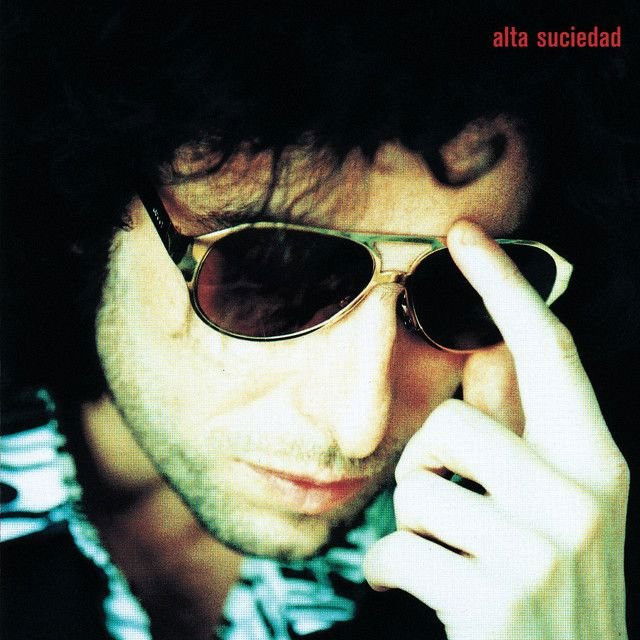
Released on Alta Suciedad (1997), “Flaca” helped cement Calamaro’s place in Rock en Español. Its language is plain, the images are vivid, and the hook is unforgettable. It became a live staple because everyone recognizes the moment he draws the line.
Culturally, the song bridges toughness and tenderness. The speaker won’t take more damage, yet he honors what once was. That balance feels real to anyone who has tried to leave and couldn’t.
Alternate Readings Worth Considering
Interpretation: “Flaca” could be an argument against self‑deception as much as a plea to an ex. The shifting commands—don’t lie, don’t tell—mirror the mind talking to itself when it can’t let go.
Interpretation: Some hear it as a cycle of toxic love where both partners wound and return. The roots are too deep, the house too familiar. The song doesn’t resolve this; it just names it.
Final Takeaway
The meaning of “Flaca” sits in its contradictions: a hard boundary, a soft heart; a boxed‑up past, a living root. That’s why the meaning of Flaca Andrés Calamaro keeps resonating across time and borders.
Interpretation disclaimer: This analysis reflects one informed reading. Listeners may find other meanings based on their experiences.








