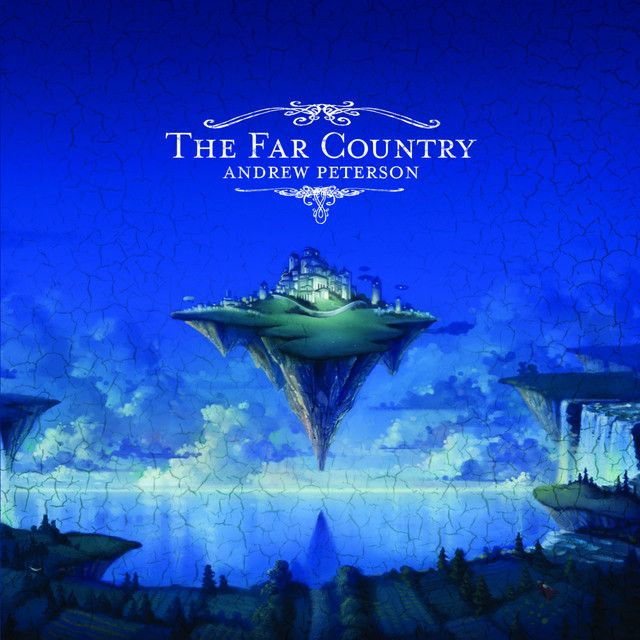
Why 'The Far Country' Feels Like Exile
The meaning of The Far Country Andrew Peterson comes into focus quickly: this is a song about living in the wrong place and longing for the right one. It does not describe travel in a normal sense. Instead, it treats ordinary life as exile. The world is real, but it is not final. Home lies beyond it.
"The Far Country" - Andrew Peterson
Do you remember when
You were called to a land
Loading lyrics...
Unable to load lyrics
We're unable to display the lyrics at this time. Please try again later.
Andrew Peterson has long written songs shaped by Christian story, Scripture, and pilgrimage, and that wider context matters here. The song was written by Peterson and Ben Shive, a frequent creative partner in Peterson’s catalog. Their work often joins plainspoken writing with rich theology, and this song is one of the clearest examples of that blend.
A Song About Homesickness of the Soul
At its heart, the song says that people were made for more than the broken world they now inhabit. The opening address to Abraham places the listener inside a biblical pattern: leaving, wandering, trusting, and waiting. When the lyric recalls being called to a land and not knowing the way, it connects the singer’s uncertainty to Abraham’s faith.
That is why the repeated line not my home
matters so much. The song is not rejecting the physical world as worthless. Rather, it frames life as incomplete. The present age feels distant from what humanity was made for.
Interpretation: Peterson seems to be describing what many Christians call holy longing—the ache for restored communion with God, creation, and true belonging. The phrase a far country
does double duty. It names the world as a place of estrangement, and it hints that the true homeland is still ahead.
Watch the official The Far Country
music video
Abraham, Eden, and the Promise Thread
The biblical references are not decoration. They build the song’s logic. Abraham represents trust in promise before fulfillment. Eden represents what was lost. Together, they create a map of the human condition: created for home, driven into exile, and called toward promise.
One of the song’s strongest moves is how it says even the beauty people can see now is only partial. When it suggests the shining sun is a shadow of the truth, it means visible things can point beyond themselves. Beauty is real, but it is also a signpost.
Later, the lyric’s image of the flaming swords of Eden
brings Genesis into modern life. That old barrier to paradise is no longer just an ancient scene. In the song, it appears in daily systems and habits, suggesting that separation from home still shapes the present world.
The Verses Move From Inner Battle to Public Ruin
The song’s structure deepens its meaning. It begins with wandering and yearning, then turns inward. In the night, the singer feels fear, weakness, and spiritual struggle. The key claim is that the deepest battle is not merely physical. It is inward and spiritual.
That is important because the song refuses to make exile just a private feeling. After the inner struggle, it expands outward into public life: commerce, media, war, and cities full of deathly energy. Phrases like strip malls and the phone calls
and fast cash and the news flash
are striking because they place spiritual longing inside recognizably modern American life.
The message is not that stores, phones, or news are evil by themselves. It is that everyday life can become noisy enough to hide what people most deeply miss. The song sees a culture full of motion but starved of home.
How the Chorus Reframes Everything
The chorus is simple, but it changes the meaning of every verse around it. Each time the song returns to a far country
, it gathers the images of darkness, temptation, and cultural chaos into one conclusion: this place is marked by distance from the life people were made for.
That refrain also keeps the song from collapsing into despair. If this is not home, then pain is not the end of the story. Exile implies eventual return. Longing implies a real object. The ache matters because it points somewhere true.
To my home, to my home
Those final words are brief, but they resolve the tension. The song ends not in confusion but direction.
Sound and Style Support the Message
Even without quoting much, listeners can hear how the music serves the lyric. Peterson often sings with a grounded, earnest tone rather than theatrical force. That approach fits a song about conviction and longing. It sounds like testimony more than performance.
Ben Shive’s influence also matters in how Peterson’s songs are often arranged: acoustic textures, careful melodic lift, and a sense of widening emotional space. In a song like this, that kind of production helps the theme of pilgrimage. The music tends to feel rooted and reaching at once, as if standing on earth while looking beyond it.
Interpretation: The likely effect of the arrangement is to make the song feel both intimate and expansive. The verses can carry personal ache, while the chorus opens into a larger horizon. That mirrors the lyric’s movement from private unrest to cosmic hope.
A Christian Reading, and a Broader Human One
The clearest reading is Christian. The song draws directly from Abraham, Eden, spiritual warfare, and the hope of home with God. In that sense, the meaning of The Far Country Andrew Peterson is about believers living as pilgrims between promise and fulfillment.
But the song can also reach listeners beyond that tradition. Its emotional core is universal: many people know the feeling that success, speed, and modern life do not fully satisfy. They may not use theological language, yet they recognize the ache.
That broad appeal is part of the song’s power. It speaks to homesickness in a world that often forgets how to name it.
Why the Song Still Lands
What makes this song memorable is its honesty. It does not flatter the modern world, and it does not flatter the self either. It names inner shadows and outer brokenness, then insists that longing itself may be a clue.
For listeners asking about the meaning of The Far Country Andrew Peterson, the best answer is this: it is a song about exile, promise, and the deep conviction that human beings were made for a truer home than the one they now inhabit.
Disclaimer: This interpretation is based on the lyrics, Andrew Peterson’s broader artistic themes, and the song’s biblical imagery. As with any art, listeners may hear meanings that differ from this reading.







