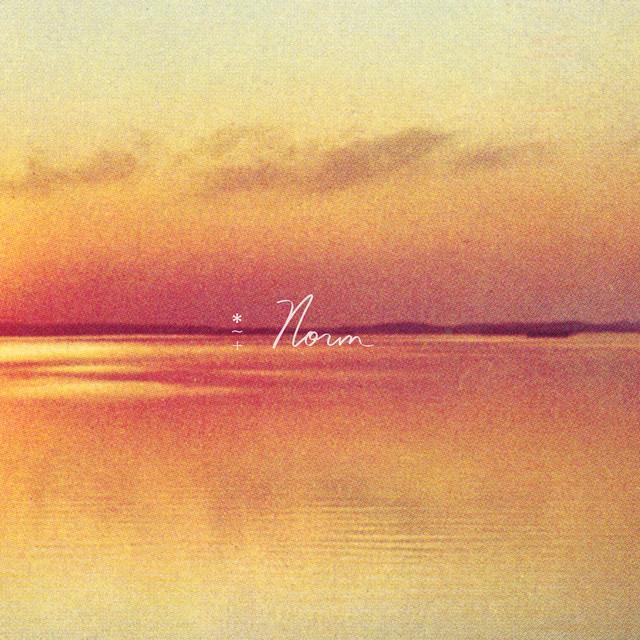
Wasted On You by Andy Shauf
A Bright Opening With a Dark Question
The meaning of Wasted On You Andy Shauf starts with a trick. The song sounds light and almost welcoming, but its central idea is severe. Instead of offering comfort, it asks whether love that is given from above has been rejected, ignored, or spent on the wrong person.
"Wasted On You" - Andy Shauf
Maybe eternal life
But only if they find me
Loading lyrics...
Unable to load lyrics
We're unable to display the lyrics at this time. Please try again later.
Factually, this track opens Norm and works as an overture for the album’s story. In a 2023 interview with Stereogum, Andy Shauf said the song is narrated by “the god of Norm’s universe” and that it was used to summarize the record’s larger theme: misunderstanding what love is. He also explained that the capitalized addressee refers to Jesus, while the lower-case “you” elsewhere in the album refers to the pursued person in Norm’s story. That detail matters because it places this song above the action, almost like a creator explaining the rules before the plot turns ugly.

Watch the official Wasted On You
music video
Who Is Speaking Here?
Shauf’s own explanation gives the clearest factual answer: this is a divine narrator. The voice imagines judgment, fate, and recognition. Early lines raise questions about death and “eternal life,” then quickly move toward punishment, clues, and whether people respond correctly.
That means the song is not just about romance. It uses sacred language to ask what love expects in return. When the narrator wonders if love was wasted on you
, the phrase sounds hurt at first. But it also sounds controlling. Love becomes something measured, tested, and possibly revoked.
Interpretation: that tension is the point. The song asks listeners to sit with an uncomfortable possibility: what if the speaker thinks they are loving, but their idea of love is tied to obedience and fear?
The Song’s Core Theme: Love Misunderstood
In Shauf’s Stereogum interview, he said the album is about “misunderstanding what love is.” That comment opens the song up. The repeated question is not only sad; it is ironic.
On the surface, the narrator seems disappointed. They gave love and want it recognized. But the details around that feeling are harsh. The song mentions being made to face me
, the possibility that people may ignore you
, and the threat that someone could kill you
. Those ideas turn the song’s emotional logic upside down.
Instead of patient care, the narrator offers consequences. Instead of free love, they expect proof. That is why the song feels so unsettling. It asks whether love still counts as love when it comes with pressure, fear, and judgment.
How the Lyrics Build That Unease
The writing is simple, but it works in layers. The opening question, What happens when they die?
, sounds philosophical. It seems like the song might explore faith in a calm way. Then the lyric shifts into a system of tests and outcomes.
A short timeline helps show the movement:
- The speaker asks about death and salvation.
- They imagine giving people clues.
- They describe punishment and confrontation.
- They return to the chorus asking if love was wasted.
That structure matters. The chorus does not interrupt the verses; it judges them. Every scenario leads back to the same complaint. No matter what happens, the speaker is focused on whether their love was properly received.
Interpretation: this can sound like a critique of divine authority, but it also echoes human relationships. Many people have heard some version of this idea: “After all I did for you, was it wasted?” In that sense, the song may be using a godlike voice to expose a very familiar emotional manipulation.
Why It Matters on Norm
This track does extra work because it opens a concept album. Shauf told Stereogum that Norm gradually became a narrative involving multiple perspectives: an omniscient God narrator, Norm himself, and another outside voice. He also said the album grows darker by the end, even when the music stays gentle.
That makes “Wasted On You” a frame for everything that follows. It introduces a world where love is already confused before Norm fully enters the picture. Later songs reportedly reveal stalking, fear, and worse behavior. So the opener is not separate from the story. It plants the moral problem that the rest of the album acts out.
How the Sound Carries the Meaning
The production deepens the irony. Research around the album shows Shauf wanted parts of Norm to feel bright and clear even as the narrative darkened. He experimented with synth-based ideas during the making of the record, and mixer Neal Pogue helped create more “space” and “clarity,” according to Shauf’s comments to Stereogum.
That polished, airy sound is important. If the song were musically ominous from the first second, its meaning would be obvious. Instead, the softness invites listeners in. The prettiness makes the words hit harder once their implications sink in.
This is one of Shauf’s strengths as a songwriter. They often pair careful arrangements with uneasy stories, letting the gap between sound and meaning do the emotional work.
A Few Strong Readings
Reading One: A divine monologue
This is the most direct reading because Shauf confirmed it. God is speaking within the album’s universe, explaining creation, judgment, and the expectation that love should be recognized.
Reading Two: A critique of conditional love
Interpretation: even with that divine setup, the song may be criticizing any figure who uses love as leverage. The chorus becomes less about heartbreak and more about entitlement.
Reading Three: The album’s moral thesis
Interpretation: because Norm later explores obsessive behavior, the song may be warning that “love” can become dangerous when it is confused with possession, authority, or demand.
The Final Takeaway
The meaning of Wasted On You Andy Shauf lies in its tension between beauty and threat. It sounds like a quiet spiritual question, but it slowly reveals a colder idea: love can be claimed by voices that do not truly understand it.
That is what makes the song such a strong opener. It does not just start Norm; it explains the album’s central wound before the story unfolds.
Disclaimer: This interpretation mixes confirmed artist comments with critical reading of the lyrics and sound. As with many Andy Shauf songs, some ambiguity is intentional.







