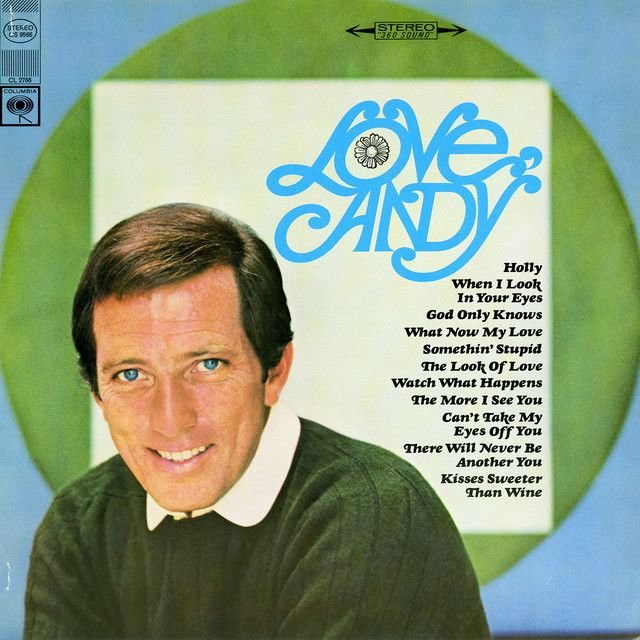
Can't Take My Eyes Off You by Andy Williams
The meaning of Can't Take My Eyes Off You Andy Williams starts with a simple idea: they are hearing someone completely overwhelmed by love. The song is not subtle about that feeling. It captures the moment when attraction becomes awe, and awe becomes a plea for closeness.
"Can't Take My Eyes Off You" - Andy Williams
Can't take my eyes off you
You'd be like heaven to touch
Loading lyrics...
Unable to load lyrics
We're unable to display the lyrics at this time. Please try again later.
Andy Williams did not write the song. Bob Crewe and Bob Gaudio did, and Frankie Valli first made it a major hit in 1967. But Williams gave it a different emotional shape on Love, Andy, turning a brassy pop-soul declaration into something smoother and more elegant. That shift matters because it changes how listeners feel the song, even when the core message stays the same.
A Love Song About Being Almost Stunned
At its heart, the song is about romantic amazement. The singer sees someone as so beautiful and emotionally powerful that ordinary words fail. Early lines like too good to be true
and heaven to touch
do not describe a realistic relationship yet. They describe the dizzy first wave of love, when the other person feels almost unreal.
That is why the title phrase matters so much. Can't take my eyes off you
is not just flirtation. It suggests fixation, but in a tender and old-fashioned way. They are not trying to sound cool. They are admitting they are shaken.
Interpretation: The song works because it sits between confidence and vulnerability. The singer is bold enough to confess desire, but nervous enough to ask if the feeling is mutual.
Watch the official Can't Take My Eyes Off You
music video
How the Lyrics Build From Wonder to Need
The first half of the song lives in admiration. The narrator stares, compares the beloved to nothing else, and struggles to speak. This creates a picture of someone emotionally disarmed.
Then the song turns. Instead of just praising the other person, the singer asks for a response. A key phrase is if you feel like I feel
. That line changes everything because now the song is no longer only about beauty. It becomes about uncertainty, hope, and the risk of rejection.
Here is the emotional pivot in brief:
I love you baby
I need you baby
warm the lonely night
These lines move the song from dreamy admiration into emotional need. The singer is no longer just dazzled. They are lonely, and they want this new love to be real enough to comfort them.
Why Andy Williams Changes the Feeling
Andy Williams' version came from his 1967 album Love, Andy, and his single reached No. 5 in the UK and No. 8 in Ireland, according to the song's Wikipedia entry. His recording was arranged and produced by Nick DeCaro, with Eddie Karam as conductor.
Those details help explain the sound. Williams was a classic crooner, known for warmth, control, and polish. So where Frankie Valli's original leans into pop-soul excitement, Williams smooths the edges. The result feels less like a burst of passion in public and more like a candlelit confession.
That does not change the song's meaning, but it does change its emphasis:
- Valli's version sounds urgent and explosive.
- Williams' version sounds intimate and assured.
- The same words feel more mature in Williams' hands.
Interpretation: In Andy Williams' reading, the song becomes less about being knocked off balance and more about savoring devotion. The feeling is still intense, but it is dressed in evening wear.
The Sound of Romance, Not Just the Words
Production is a big part of why this song lasts. The original composition is famous for building from tender verses into a bigger, more dramatic release. Songfacts notes that Bob Gaudio used horns to help bridge that jump in intensity.
Williams keeps that rise in emotion, but his version leworks it through easy-listening orchestration. The strings, soft brass, and measured vocal style make the song feel graceful rather than raw. Instead of sounding desperate, the singer sounds deeply sincere.
This matters for meaning. A lush arrangement tells listeners that these emotions are not chaotic. They are romantic, theatrical, and meant to be enjoyed. Williams sings as if devotion can be classy.
Artist Context Makes the Cover Make Sense
Williams was one of the great middle-of-the-road pop voices of his era. He specialized in songs that balanced accessibility with elegance. So this song fit him well because it already had a dramatic melody and a direct emotional message.
Bob Gaudio once described the song on Songfacts as an amalgam of people and circumstances
, meaning it came from blended real-life feelings rather than one literal story. Songfacts also says Crewe and Gaudio shaped it as a portrait of a man exuberantly in love. That broad emotional frame gave singers room to adapt it.
Williams took advantage of that flexibility. He did not need to out-sing Valli's urgency. He just needed to translate the emotion into his own style. That is why his cover feels convincing instead of copied.
Why the Song Connected So Widely
This song has lasted through decades of covers, films, and public singalongs because its emotional idea is universal. Nearly everyone understands the feeling of being stunned by another person and then hoping they feel the same.
Williams' version especially appeals to listeners who want romance without rough edges. It presents love as admiration, tenderness, and steady longing. In that sense, the meaning of Can't Take My Eyes Off You Andy Williams is not only about desire. It is about giving desire a graceful, social form.
Final Take on Its Lasting Message
The song means what it says: they are looking at someone who seems almost impossibly wonderful, and they want that feeling returned. Andy Williams keeps that message intact, but his voice and arrangement make it sound refined, calm, and deeply affectionate.
That is why the cover still works. It turns a big love-struck anthem into a polished romantic standard without losing the heart of the song.
Disclaimer: This interpretation mixes documented song history with informed critical reading. Meaning can vary by listener and performance.








