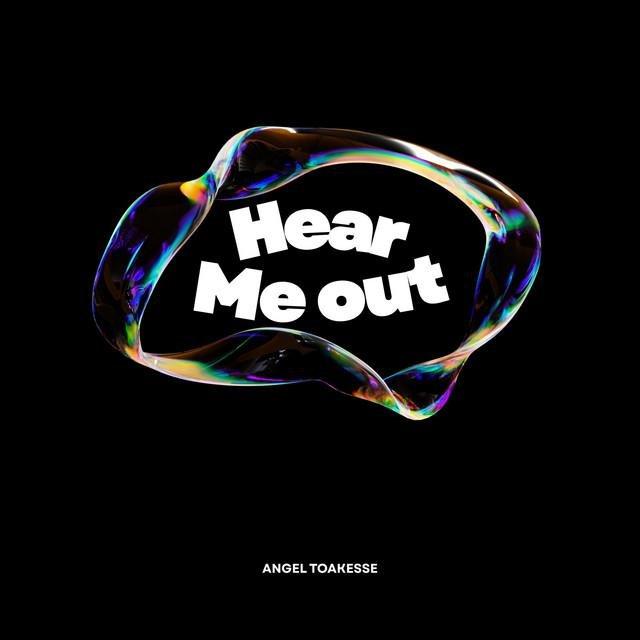
Hear Me Out by Angel Toakesse
The meaning of Hear Me Out Angel Toakesse centers on emotional dependence, honest affection, and fear of losing a close bond. The song is not built around complex storytelling. Instead, it works like a direct plea. They present love in its most open form: vulnerable, repetitive, and a little desperate.
"Hear Me Out" - Angel Toakesse
It feels like everything is moving backwards
Please don't make me ashamed
Loading lyrics...
Unable to load lyrics
We're unable to display the lyrics at this time. Please try again later.
At its core, the track sounds like someone asking another person to stay. The speaker does not hide their need. They admit that this relationship feels essential to daily life, and that honesty gives the song its emotional pull.
A Simple Love Song With High Stakes
What makes the song stand out is how plainly it speaks. The narrator says they are only human
, then links that human weakness to attachment. In other words, they are not trying to appear cool or detached. They are admitting that love has made them fragile.
That fragility shapes the whole song. The repeated idea of best friend
matters because it blends romance with emotional safety. This is not just desire. It is also companionship, trust, and routine. Losing the person would mean losing comfort as well as love.
Interpretation: the song treats romance as a lifeline. That can feel sweet, but it also gives the track a worried edge. The singer is not only celebrating love; they are bracing for abandonment.

Watch the official Hear Me Out
music video
The Main Emotional Thread
The biggest theme is dependence. The narrator says, in different ways, that they need this person near them. They stress that the feeling is real, that their heart is sincere, and that separation would hurt.
A key line is the plea don't you walk away
. It keeps returning, which turns the chorus into the emotional center of the song. Each repetition makes the fear more obvious. They are not arguing a case so much as begging to be heard.
That makes the title feel important too. “Hear Me Out” suggests someone who worries their feelings may be dismissed. The song becomes a final effort to speak clearly before the other person leaves.
How the Verses Build the Meaning
The opening image says life feels as if it is moving in reverse. That idea gives the song a backdrop of instability. Something is off. The relationship may be under pressure, or the singer may feel emotionally stuck.
From there, the lyrics move fast into confession. They admit love, dependence, and emotional excitement. When they mention a smile on their face and a racing heart, the song shows both comfort and intensity. Love here is calming and overwhelming at the same time.
There is also a small but telling phrase, je ne sais quoi
, used to describe the other person’s appeal. That choice adds a light, playful touch. It means the attraction is hard to explain. The loved one has a quality beyond logic, which fits a song driven more by feeling than analysis.
Why the Chorus Hits So Hard
The chorus works because it strips everything down to a few needs: love me, stay close, and believe me. The line I depend on you
may be the clearest statement in the song. It is blunt and risky.
In many pop songs, artists soften that kind of confession. Here, Angel Toakesse does the opposite. They lean into it. The result is a chorus that feels exposed rather than polished.
You know my love is true
Don't you walk away from me
Those lines capture the song’s central tension. The singer believes their feelings are genuine, but they still fear they may not be enough to keep the relationship intact.
Sound, Structure, and Emotional Effect
Musically, the track appears built for immediacy. The lyrics rely on repetition, simple phrasing, and chant-like hooks such as the “uh uh” and “la la la” sections. That kind of structure usually creates a conversational, ear-catching pop feel rather than a dense poetic one.
The effect is important to the meaning of Hear Me Out Angel Toakesse. Repetition mirrors rumination. When people are anxious, they often repeat themselves, especially when asking someone not to leave. The song’s structure turns that mental loop into melody.
The lighter vocal fillers also soften the heaviness. Without them, the song could feel too intense. With them, it stays accessible and catchy, even while carrying a real fear underneath. That balance between sweetness and need gives the song its identity.
Artist Context and What Can Be Said Safely
The available song information credits Ange Toakesse as the writer. Beyond that, there is limited verified public context about production, release background, or stated artist intent, so it is best not to overclaim. In pieces like this, the safest reading comes from the lyrics themselves and the performance choices within the track.
For factual artist pages, readers can check Apple Music or YouTube. If more official credits become available, they may help clarify the production team and release details.
One Strong Reading and One Alternate Reading
Interpretation 1: the song is a straightforward romantic plea. The speaker loves someone deeply, sees them as both partner and friend, and fears a breakup.
Interpretation 2: the song may also be about emotional overreliance. Because the narrator says they cannot live without the other person, the track hints at an unhealthy level of attachment. That does not cancel the sweetness, but it adds tension.
Both readings can exist at once. That is part of why the song feels relatable. Many people know what it is like to love someone sincerely and still fear that their own neediness might push the relationship to the edge.
Final Take on the Song’s Message
In the end, the meaning of Hear Me Out Angel Toakesse is about asking for reassurance when love feels shaky. The song turns basic words into an emotional confession about friendship, romance, and the terror of being left behind.
Its power comes from that plainness. Rather than hiding behind metaphor, they speak directly. For listeners who have ever wanted someone to stay, that honesty is the whole point.
Disclaimer: This article offers interpretation based on the lyrics and available public information. Meaning can vary by listener unless the artist has confirmed a specific intent.








