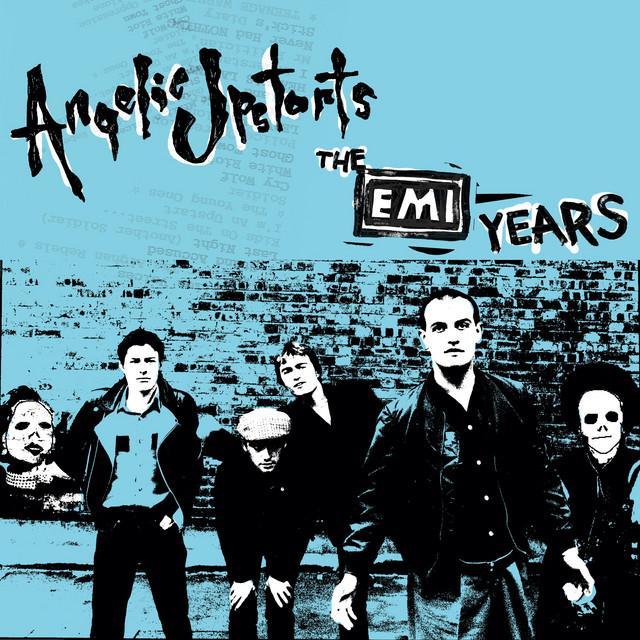
Why 'Kids on the Street' Still Hits Hard
The meaning of Kids on the Street Angelic Upstarts starts with something simple: the song sees everyday young people as a force, not a problem. Instead of describing youth as dangerous or lost, it treats them as alive, mixed, emotional, and full of shared power. That is why the song still feels direct decades later.
"Kids on the Street" - Angelic Upstarts
Are the kids that you meet
Long haired short haired
Loading lyrics...
Unable to load lyrics
We're unable to display the lyrics at this time. Please try again later.
Angelic Upstarts came from the British punk/Oi! scene, a movement known for blunt language, working-class themes, and crowd-ready choruses. The band is widely associated with anti-racist and anti-establishment ideas in punk history, which helps frame how this song talks about unity rather than division. William York is credited here as the writer, and the song’s plainspoken style fits that street-level punk tradition.
A Street-Level Anthem About Common Humanity
At its core, the song argues that the young people seen in public spaces are just regular human beings. The repeated idea that they are the kids people already know and pass by every day strips away fear and stereotype. In other words, the street is not presented as a place of alienation. It is a place where real life happens.
The lyric phrases kids that you meet
and know how to laugh
matter because they humanize the group immediately. The song balances joy with pain too, reminding listeners that these young people also know sorrow. That emotional range gives the song its heart.
Interpretation: They are not romanticizing youth as innocent saints. They are saying young people are fully human, and that should be enough to earn respect.
Watch the official Kids on the Street
music video
The Song’s Strongest Theme Is Unity
One of the clearest ideas in the track is racial and social solidarity. The phrase black and white
appears as a simple but powerful statement of togetherness. In punk, that kind of slogan can sound blunt, but here the bluntness is the point. They want the message to be impossible to miss.
The line together we are dynamite
turns unity into energy. It suggests that connection creates force. Not violence for its own sake, but social power. If young people stop seeing each other as separate camps, the world can change.
That hopeful turn is important. A lot of punk songs focus on collapse, boredom, or rage. This one keeps the anger in the background and pushes hope forward.
A Chorus Built Like a Chant
Musically and lyrically, the chorus works because it repeats the same central claim until it feels communal. The hook circles back to the title phrase over and over, making the song easy to shout in a crowd. That repetition is not lazy writing. It is functional writing.
Interpretation: The band seems less interested in telling a detailed story than in building a shared identity. The chorus acts like a rallying point. By the time it returns again, the listener is not just hearing the message. They are invited to join it.
This is also why the lyrics stay so plain. Complicated imagery would weaken the song’s purpose. The track wants to sound like something anyone on a corner, in a club, or on a march could pick up fast.
Why the City Names Matter So Much
Near the end, the song starts naming places like Geordie, Belfast, Birmingham, and Glasgow. That shift makes the message bigger. It moves from a general idea of youth to a map of shared identity across regions.
For listeners, this does two things:
- It grounds the song in real working-class communities.
- It suggests that local pride and wider solidarity can exist at the same time.
That balance matters. Punk and Oi! often draw energy from place, accent, and neighborhood loyalty. Here, the song keeps that local texture while arguing that all these groups belong in one larger “we.”
How the Sound Carries the Meaning
The production and arrangement likely matter as much as the words. In keeping with Angelic Upstarts’ style, the song is best understood through fast drums, forceful guitar, and a chant-like vocal approach common in street punk. That sound gives the message urgency.
The likely effect is straightforward: no softness, no distance, no polish getting in the way. A gang-vocal feeling would reinforce the idea that this is a collective statement, not a private confession. Even if the lyrics speak about “kids,” the sound makes them feel powerful rather than fragile.
This matters to the meaning of Kids on the Street Angelic Upstarts because the music turns empathy into momentum. They are not only asking listeners to understand these young people. They are asking them to hear their presence.
Hope, Not Naivety
Another key lyric idea is the wish that youth could speak and help change the world from day to day. That sounds idealistic, but the song’s tone keeps it from becoming sugary. The rough delivery associated with punk gives the hope some grit.
The phrase tomorrow is too long
sharpens that message. It rejects delay. Change should not wait for some distant better future. The song believes young people matter now.
Interpretation: This may be the track’s deepest point. It is not just praising youth culture. It is criticizing a world that ignores youth voices until it is too late.
Final Take on the Song’s Meaning
So what is the song about? The best reading is that it is a compact punk anthem for youth dignity, interracial unity, and immediate collective action. It says the people dismissed as “kids on the street” are already the human center of society.
That is why the song lands so cleanly. It takes ordinary people, gives them a chorus, and turns recognition into power.
Disclaimer: This interpretation is based on the lyrics provided, the band’s broader punk context, and common critical reading practices. As with any song, meanings can vary from listener to listener.







