
Why 'Murder And Crime' Feels So Devastating
The meaning of Murder And Crime Sufjan Stevens, Angelo De Augustine centers on grief in a broken world. Rather than telling a neat story, they build a meditation on harm, guilt, faith, and the fear that cruelty has become ordinary. The song sounds intimate, but its questions are huge.
"Murder And Crime" - Sufjan Stevens, Angelo De Augustine
Oh God, I'm lost in my wrongs
Everything froze like stone
Loading lyrics...
Unable to load lyrics
We're unable to display the lyrics at this time. Please try again later.
Sufjan Stevens and Angelo De Augustine collaborated closely on the 2021 album A Beginner's Mind, a record inspired by shared writing sessions and film-related prompts, as covered by Asthmatic Kitty and major music press like Pitchfork. That context matters because many songs on the album feel reflective and image-driven, and "Murder And Crime" fits that style.
A Lullaby Standing Next to Violence
At its core, the song sounds like a person trying to comfort someone while also admitting they cannot explain the world's brutality. Early lines suggest confession and burden. When they sing lost in my wrongs
, the idea is not just personal guilt. It also opens the door to moral confusion: they know something is broken, but they cannot fully separate their own pain from the larger damage around them.
The most striking emotional move is the shift from private affection to public violence. A tender address like my boy
sits beside language about law, murder, and crime. That contrast is the point. The song places care and innocence inside a world shaped by systems that fail to protect them.
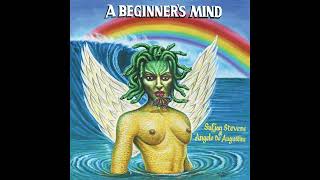
Watch the official Murder And Crime
music video
The Chorus Turns Sorrow into a Moral Question
The refrain is where the song's meaning sharpens. They describe life as cruel and unkind, then connect that pain to the line about law abiding in murder and crime
. Paraphrased, the song suggests that suffering is not only accidental. Sometimes it is enabled, excused, or preserved by institutions that should defend life.
Interpretation: this does not have to mean a literal legal case. It can also mean a deeper spiritual complaint: why does the world allow violence to endure? By putting "law" and "Lord" in parallel at different moments, the song blurs human justice and divine silence. That makes the listener sit with a hard question instead of a clear answer.
Fossils, Shadows, and the Shape of Loss
One of the song's best images is the fossil. A fossil is evidence, but it is incomplete evidence. It preserves a shape while also reminding them that the living thing is gone. When the lyrics mention everything froze like stone
, they turn emotional shock into physical matter.
Later, the fossil and shadow images suggest that grief leaves an outline that can be studied but never fully restored. The song keeps asking what remains after harm: memory, evidence, guilt, and traces. Even the word "antiphon" near the end hints at ritual repetition, as if they are trapped in a chorus of mourning that keeps returning.
A Brief Map of the Song's Emotional Arc
- They begin in confession and shock.
- They turn toward a loved one in sympathy.
- They widen the lens to law, religion, and violence.
- They end with disappearance and exhaustion, asking where everything goes when it is gone.
That final question gives the song its deepest ache. It is not only about death. It is about what happens to meaning after loss.
How the Sound Carries the Meaning
The arrangement is crucial to the song's power. Stevens and De Augustine often work with hushed vocals, acoustic textures, and careful harmonies, and that soft approach makes these lyrics feel more wounded than theatrical. On A Beginner's Mind, much of the production favors closeness over grandeur, according to release materials from Asthmatic Kitty.
Here, the gentle delivery creates tension with the title and subject matter. They are not shouting about violence. They are whispering through it. That contrast makes the song feel like grief spoken in the next room, after the damage is already done.
Interpretation: the calm surface may suggest emotional numbness. It can also sound like prayer, especially when the lyrics address God directly and circle back to repeated lines. The music lets those words land as sorrow, not argument.
Two Strong Readings of the Lyrics
Reading One: A Song About Personal Grief
In this reading, they are speaking to someone they love who has been changed by trauma. Phrases like all joys were taken
suggest innocence dimmed by suffering. The song becomes an act of witness: they cannot fix what happened, but they can name its weight.
Reading Two: A Song About a Violent Social Order
Another reading hears the song as political in a broad sense. References to law, evidence, and crime suggest a world where official structures fail morally. The repeated sadness then becomes more than personal heartbreak. It becomes a lament for a culture that normalizes harm.
Both readings work because the song never narrows itself to one event. Its power comes from how personal and systemic pain bleed together.
Why the Song Lingers
The meaning of Murder And Crime Sufjan Stevens, Angelo De Augustine stays with listeners because the song refuses easy comfort. It asks how love survives when violence keeps leaving its mark. It also wonders whether faith, justice, and memory can still mean anything after that damage.
In the end, they do not solve the problem. They simply hold it with care. That is why the song feels so haunting: it turns sorrow into evidence, and evidence into prayer.
Disclaimer: This interpretation is based on the released lyrics, the artists' broader collaboration context, and the recording's musical choices. As with many Sufjan Stevens and Angelo De Augustine songs, ambiguity is part of the art.









