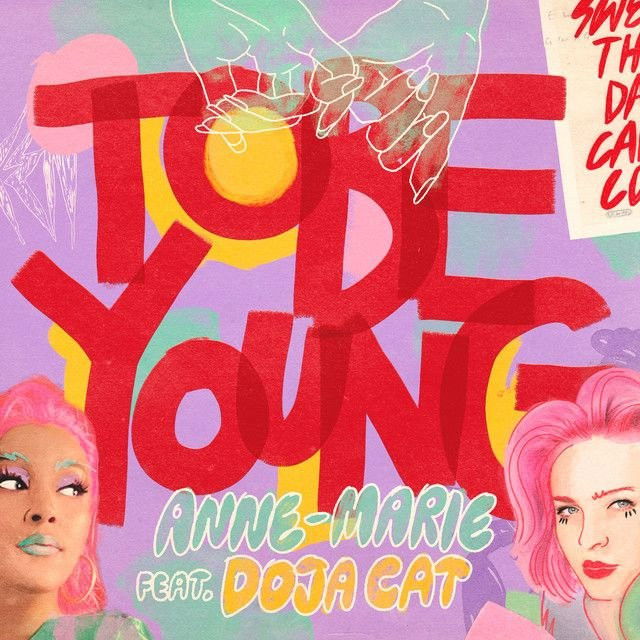
To Be Young by Anne-Marie, Doja Cat
Youth isn’t simple here—it’s speed, risk, and tenderness all at once. Anne-Marie and Doja Cat capture the rush and the ache of growing up, where late nights blur with big dreams and real fears. They treat confusion like a common language and turn it into community.
"To Be Young" - Anne-Marie ft. Doja Cat
All I'm thinking 'bout is what to do tonight
Hundred miles an hour, no headlights
Loading lyrics...
Unable to load lyrics
We're unable to display the lyrics at this time. Please try again later.
Growing Up Is Chaos: The Core Message
At its heart, the meaning of To Be Young Anne-Marie, Doja Cat is about living through contradictions. They hold ambition and anxiety in the same hand: the future feels huge, but the present is messy. Lines about no headlights
and emotional numbness show the danger and denial that can come with chasing a feeling.
Interpretation: the song argues that youth isn’t defined by perfection. It’s defined by recovery, by the ability to make a mistake and learn. The hook reframes the chaos as part of becoming who they are.

Watch the official To Be Young
music video
Two Voices, One Crowd: How the Narrators Speak
Anne-Marie sings mostly in first person, then shifts to “we,” widening the lens from an individual night to a shared rite of passage. That switch turns the story into a group portrait of friends who make a pinky promise
to stick together even when life changes.
Doja Cat’s feature sharpens the edge. Her verse leans into doubt, status, and loneliness behind the bravado—wanting to fit in, craving freedom, and calling out shallow love. Together, their voices feel like two sides of the same party: one seeking relief, one naming the cost.
From Night Drives to Big Dreams: The Story Beats
The song moves through a clear timeline:
- Pressure to plan clashes with impulse. The image of
Hundred miles an hour
on an open road sets the reckless, cinematic tone. - Numbing pain becomes a ritual among friends. They swear a
pinky promise
to keep things the same even as time pushes forward. - Escapism grows into fantasy. They’ll dye hair
a million colors
and imagine makingbillion dollars
, because it’s easier than admitting fear. - The chorus accepts the mess. They fall, they recover, and they find identity in the in-between.
Interpretation: these beats show how risk and hope sit side by side when the future feels both near and out of reach.
Why the Hook Lands: Resilience Over Rebellion
The refrain doesn’t just list wild behavior; it argues for bounce-back. When they sing about getting hurt and still get back up
, the song shifts from glamor to grit. The imperfections aren’t proof of failure. They’re proof of motion.
Interpretation: the hook invites listeners to trade shame for honesty. By naming the chaos, they take control of it. That’s why the chorus feels cathartic rather than scolding or celebratory.
Symbols, Motifs, and Small-Town Pressure
- Night drive (
no headlights
): Freedom without a map; risk as a coping tool. - Hair dye (
a million colors
): Identity as something you try on, not something fixed. - Money dreams (
billion dollars
): Outsized goals as armor against small-town limits. - Vows and loyalty (
pinky promise
): Friendship as the anchor when plans fall apart.
Interpretation: these images suggest youth is performance, rehearsal, and real danger all at once. The small-town details add the pressure cooker: nothing changes, so they force change on themselves.
How the Sound Mirrors the Story
The production works like a movie scene. A bright, looped guitar and crisp, modern drums move at a steady mid-tempo, letting the vocals breathe. The mix leaves space around the hook, so when the chorus arrives, the melody feels both weightless and heavy.
Anne-Marie’s clean, emotive tone carries the confession, while layered harmonies lift the refrain into a group sing-along. Doja Cat’s melodic-rap delivery adds texture—a looser, conversational flow that sounds like the thoughts you admit after midnight. The result matches the lyrics: glossy on the surface, frayed at the edges, and always surging forward.
Alternate Readings and the Takeaway
Interpretation: one read says the song celebrates being untouchable—drinking, breaking rules, and moving fast. Another sees a quiet critique: the high never lands, the party blurs, and the heart still wants something real. Both readings fit because youth often holds triumph and emptiness at once.
So what’s left when the night ends? Not a rulebook. A mindset. They name the risk, honor the friendship, and choose recovery. That’s the point the song keeps pressing: being young is confusing, but it’s also the training ground for resilience.
Disclaimer: This is a critical interpretation intended to complement, not replace, the artists’ own statements and listener experience.








