Why "Indians" by Anthrax Still Hits Hard
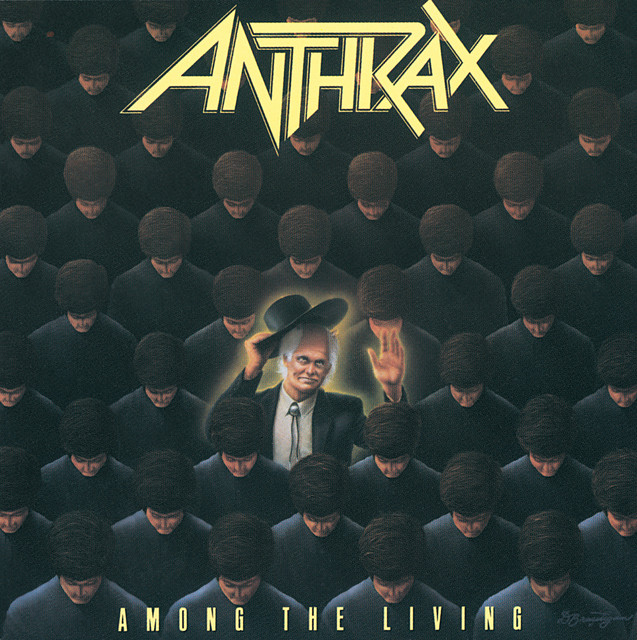
The meaning of Indians Anthrax comes down to a direct protest: Anthrax aimed their anger at the historic and ongoing mistreatment of Native Americans, and they did it with the force of a thrash anthem. Released on Among the Living in 1987, the song stood out because it took a genre known for speed and aggression and pointed that energy at a real social issue.
"Indians" - Anthrax
When it comes to someone else's fight
No one ever gets involved
Loading lyrics...
Unable to load lyrics
We're unable to display the lyrics at this time. Please try again later.
Factually, the song appeared on Anthrax’s third album, Among the Living, and was later released as a single. It was written by Joey Belladonna, Dan Spitz, Scott Ian, Frank Bello, and Charlie Benante, and produced by Anthrax with Eddie Kramer. It remains one of the band’s signature songs and, as American Songwriter noted in 2024, one of their most-played tracks on Spotify.[1][2]
A Thrash Song With a Clear Target
At its core, the song is about injustice. Anthrax point to land theft, forced displacement, and social neglect. Early lines frame a broader human problem before narrowing in on Native Americans: people often see issues in simple, distant terms and choose not to act. That setup matters because it turns the song into more than a history lesson. It becomes a criticism of public indifference.
The verses then move into specifics. Phrases like stolen land
and hopeless situation
are blunt, but they are used to summarize a long history of removal, containment, and discrimination. The song’s moral center arrives in the line Original American
, which flips a common national story. Instead of celebrating the United States in the abstract, Anthrax remind listeners who was there first.

Watch the official Indians
music video
What the Chorus Is Really Doing
The chorus is intentionally simple and forceful. Rather than adding new details, it turns the song into a public cry of grief and solidarity. Anthrax repeat the idea of mourning and sacrifice to make the message impossible to miss.
Cry for the Indians
Die for the Indians
That short hook is not offering policy or nuance. Interpretation: it works like a protest chant, using repetition to turn outrage into shared feeling. In a live setting, that made the issue communal. The audience was not just hearing about injustice; they were being pushed to respond emotionally.
The Key Theme: Respect Has To Be Earned—and Given
One of the song’s strongest ideas is that Native Americans have been denied basic respect even after surviving dispossession and cultural pressure. When the lyric says Respect is something that you earn
, the point is not that Indigenous people must prove themselves. The criticism is aimed at the society that refuses to honor them despite history, endurance, and identity.
That makes the next idea even sharper. The song argues that Native Americans were turned into outsiders in their own land. The phrase about becoming a second class citizen
is the song’s plainest summary of that injustice.
Why Anthrax Wrote It
There is useful artist context here. According to American Songwriter, Joey Belladonna was part Iroquois on his mother’s side, and Belladonna recalled that drummer Charlie Benante jokingly called him “Indian Joe” before Scott Ian suggested writing a song that would bring attention to the issue.[1] That origin story matters because it shows the track was not random provocation. It grew out of a personal connection and then became a serious statement.
That said, the song also reflects its era. In the late 1980s, thrash metal often tackled war, politics, and social breakdown. Indians helped show that Anthrax could do more than comic-book references or scene critiques. Interpretation: the song’s seriousness helped broaden how listeners viewed the band and the genre itself.
How the Sound Carries the Message
The production does a lot of meaning-making. The song opens with guitar harmonies and heavy tom-driven drums, then shifts between fast attack and a slower, stomping breakdown. American Songwriter described that mid-tempo section as a kind of “war dance,” and that is a useful way to hear it.[1]
Those tempo changes matter. The fast parts feel like alarm and anger. The slower groove feels ritualistic, almost like the band is forcing listeners to sit inside the weight of the subject instead of just racing past it.
Anthrax were a thrash band, so aggression was expected. What makes Indians effective is that the aggression is focused. The riffs do not just sound heavy; they sound accusatory. Belladonna’s vocal delivery adds urgency without losing clarity, which helps the political message land.
A Song About Native Americans—and About Apathy
A second reading is worth noting. Beyond its direct subject, the song is also about what happens when society watches suffering from a distance. The opening thought about seeing things in black and white and refusing involvement points to apathy as part of the problem.
Interpretation: that means the song has two villains. One is the long history of oppression. The other is the everyday refusal to care. That broader frame is part of why the track still connects decades later.
Why It Still Matters
The meaning of Indians Anthrax remains powerful because the song is so direct. It names dispossession, prejudice, and neglect without hiding behind metaphor. It also showed that metal could be socially conscious while staying intense.
For many listeners, this was a gateway song: not just into Anthrax, but into thinking about Native American history in sharper terms. That may be the song’s biggest achievement.
Disclaimer: This article offers interpretation based on the lyrics, artist comments, and documented context. Meaning can remain open to different listeners.







