Madhouse by Anthrax
Anthrax built “Madhouse” as a fast, sarcastic, and uneasy song about being labeled unstable and shut away. For listeners searching for the meaning of Madhouse Anthrax, the core idea is fairly direct: the song puts them inside the mind of someone trapped in an institution, while also asking whether the real madness belongs to the patient, the system, or society around them.
"Madhouse" - Anthrax
Mwahaha
White coats to bind me, out of control
Loading lyrics...
Unable to load lyrics
We're unable to display the lyrics at this time. Please try again later.
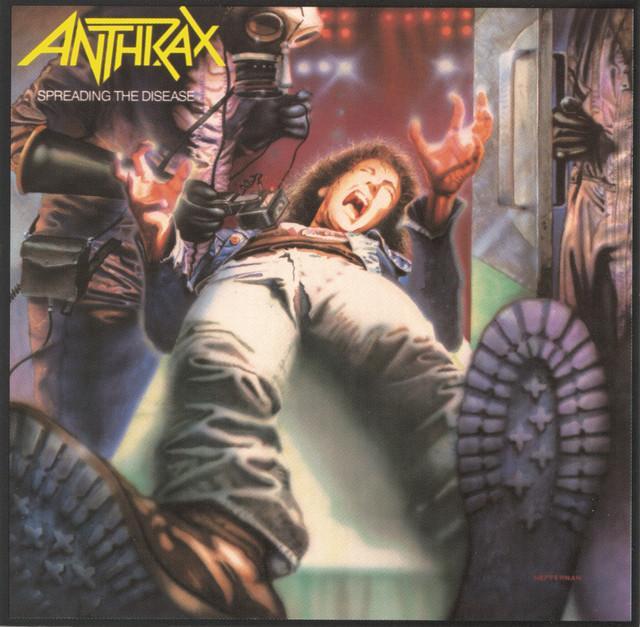
The track appeared on Anthrax’s Spreading the Disease, the 1985 album that helped define their early thrash identity. That matters, because the song is not a soft character study. It is aggressive, theatrical, and a little darkly funny.
The Song’s Core Idea Is Confinement
At the most basic level, “Madhouse” describes a person who feels caged, misunderstood, and stripped of control. The opening image of white coats
quickly sets the scene in a medical or psychiatric space. From there, the narrator sounds less like a villain than a frightened person trying to explain how trapped they feel.
The lyrics keep returning to closed spaces and mental pressure. Phrases like inside my mind
and four walls
suggest two prisons at once: a physical room and a mental one. The character is boxed in by doctors, by fear, and by their own racing thoughts.
Interpretation: The song can be read as a literal trip through an asylum-like setting. But it also works as a larger metaphor for alienation. They may be singing about how easy it is for people to be judged, controlled, and defined by others.

Watch the official Madhouse
music video
Why the Chorus Hits So Hard
The chorus gives the song its sharpest question. When the singer repeats it’s a madhouse
, the phrase sounds simple, but it does two things at once. First, it names the setting. Second, it turns the accusation back outward.
If everyone says the place is a madhouse, who is actually mad? The patient? The staff? The whole world? That uncertainty gives the song its staying power.
It's a madhouse
Or so they claim
Those two short lines matter because they introduce doubt. The narrator does not fully accept the label being forced on them. That keeps the song from becoming just a horror sketch. It becomes a protest against being reduced to a diagnosis.
The Verses Turn Fear Into a Maze
Anthrax writes the verses in a way that feels circular, as if the narrator cannot escape the same panic. The recurring nightmare language gives the song motion, but not progress. They are always waking into another version of the same fear.
The most revealing image is the line about not finding a way out of a maze. That metaphor ties together confusion, confinement, and helplessness. A maze is designed to keep people moving without reaching freedom. In that sense, the song is less about one bad room than an entire system built to disorient.
There is also shame in the lyric, but it is pushed outward. The singer says others refuse responsibility and do not feel shame. That shifts the moral center of the song. The narrator may be unstable, but the people in power are not innocent either.
Sound and Performance Explain the Meaning
A big part of the meaning of Madhouse Anthrax comes from the music, not just the words. Anthrax plays the song with speed, sharp riffing, and tight stops that make it feel boxed in. The guitars do not drift; they jab and lock into place. The rhythm section pushes hard, giving the track the feeling of panic that keeps restarting.
Joey Belladonna’s vocal is especially important. He does not sing like someone quietly confessing pain. He sounds theatrical, pressured, and half-defiant. That choice fits the song’s perspective. The character is scared, but they are also resisting the role forced on them.
The laughing intro and outro add another layer. It is a classic metal touch, but here it works like a warning sign. The laughter is not comforting; it sounds staged and creepy, as if madness has become entertainment. That dark humor was common in 1980s metal, and Anthrax often mixed menace with cartoonish exaggeration, as noted in their band history.
Context Matters: Thrash, Stigma, and 1985
In 1985, thrash metal was becoming faster, smarter, and more socially aware. Bands were using extreme music to talk about war, control, fear, and social breakdown. “Madhouse” fits that moment well. It uses the language of insanity, but it is really about power and perception.
That said, modern listeners may hear the song differently because mental health language has changed. Terms like “madhouse” now carry stigma. It is worth noting that the song reflects heavy metal’s 1980s style, where exaggerated institutional imagery was often used for shock and drama.
Interpretation: Today, the strongest reading is not that Anthrax is mocking mental illness. It is that they are dramatizing what it feels like to be trapped, dismissed, and treated like a problem rather than a person.
Two Strong Ways to Read It
Reading One: A literal institutional nightmare
This is the clearest reading. A patient is confined, medicated, and overwhelmed by fear. The song tracks their panic as they try to hold onto their identity.
Reading Two: Society is the real madhouse
This reading grows from the chorus and blame-shifting. The narrator may be unstable, but the bigger target is a world that labels people quickly and refuses empathy.
Both readings can live together. That is part of why the song remains memorable.
Why “Madhouse” Still Connects
“Madhouse” lasts because it takes a pulp-metal setup and fills it with real emotional pressure. Listeners do not need to treat it as a medical statement to feel its power. They can hear fear, isolation, anger, and the desperate need to be believed.
For anyone asking about the meaning of Madhouse Anthrax, the best answer is this: it is a song about confinement—mental, physical, and social—and the rage that comes from being told who they are by someone else.
Disclaimer: This interpretation is based on the lyrics, historical context, and recorded performance, and other listeners may reasonably hear the song differently.







