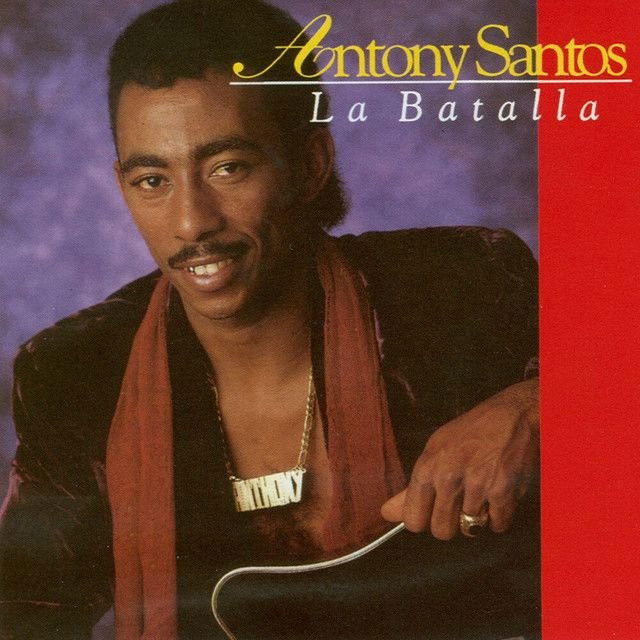
Antología De Caricias by Antony Santos
The meaning of Antología De Caricias Antony Santos starts with memory. This is not just a love song in the broad sense. It is a song about reliving physical and emotional intimacy so vividly that the past feels present again.
"Antología De Caricias" - Antony Santos
tu nombre penetro ahi mis sentidos
y se metio tan adentro, tan adentro
Loading lyrics...
Unable to load lyrics
We're unable to display the lyrics at this time. Please try again later.
Antony Santos, one of modern bachata’s key pioneers, built much of his style on romantic storytelling and guitar-led arrangements, helping bring bachata to a wider audience, as noted in his artist profile. In this song, that romantic style turns unusually tactile. The singer does not only remember a person; they remember touch, color, desire, and the thrill of a first time.
What This Song Is Really Reaching For
At its core, the song presents desire as something archived in the body. The narrator hears a name and immediately falls back into sensation. When the lyric compares that name to a sweet melody, it suggests memory arriving through sound, then spreading through the senses.
That is why phrases like dulce melodia
and tan adentro
matter. They show that this memory is not casual. It has moved deep inside them, and they cannot shake it loose.
Interpretation: the song’s “anthology” idea is important because it frames affection as a collection of moments. Instead of telling one dramatic story, it gathers highlights of intimacy and treats them like treasured entries in a personal history.
Watch the official Antología De Caricias
music video
Desire, Memory, and First Love
The chorus gives the song its emotional center. The repeated invitation to create una antologia de caricias
sounds sensual, but it is also nostalgic. They are not asking for something entirely new. They want a return to the best parts of an early romance.
That matters because the song links passion with innocence. The line about primer amor
points to first love, while later lines hold onto modesty, vulnerability, and the memory of a painful but meaningful beginning.
una antologia de caricias
de lo mejor del primer amor
In context, those lines suggest a wish to revisit the most tender and formative moments in a relationship. The song treats touch almost like a scrapbook: each caress stands for a lesson, a risk, or an awakening.
The Speaker Lives Inside Sensation
The narrator speaks in first person, but the emotional effect is immersive rather than confessional. They describe being under a spell, pulled into an imaginary colorful space, and overtaken by longing.
Images of lips, color, and enchantment make the song feel dreamy. When the lyric hints at red lips and a magical mental space, the song blends erotic attraction with fantasy. That blend is common in romantic bachata, where longing is often heightened through poetic exaggeration.
Interpretation: the “magic” in the song may not be literal at all. It likely describes how desire alters perception. Everything becomes brighter, more intense, and more theatrical when someone is consumed by memory.
Why the Chorus Feels So Intense
The hook works because it mixes invitation with recall. Vamos hacerlo a vela
creates a private, candlelit mood. Even if listeners read that line differently, the atmosphere is clearly intimate and stripped down.
Then the song shifts from present desire to stored emotion. The narrator remembers shame, pain, sweetness, and invitation all at once. One striking phrase, endulceme otra vez
, turns love into flavor. It suggests they do not just want contact; they want to be changed by it again.
This is where the song becomes more than seductive. It is about trying to recover a feeling that time cannot easily repeat.
How Bachata Sound Deepens the Meaning
Antony Santos helped define modern bachata through romantic lyrics, bright guitar lines, and expanded instrumentation, according to the genre overview in his career history. That context matters here.
A song like “Antología De Caricias” depends on bachata’s familiar emotional tools:
- sharp, melodic guitar picking
- a swaying midtempo rhythm
- a vocal style that leans into ache and sweetness
- a dance pulse that keeps intimacy moving
Even without overproduced drama, bachata can make longing feel physical. The rhythm section keeps the body engaged while the guitar traces emotional detail. That balance fits this lyric perfectly. The words describe touch and memory, and the music gives both a pulse.
Where the Song Sits in Antony Santos’ Story
Factually, “Antologia De Caricias” appeared on La Batalla in 1992, and sources note it was a cover of an Altamira Banda Show song. That places it early in Antony Santos’ rise, when he was helping move bachata from a rougher, more marginalized style toward mainstream romantic appeal.
That timing explains a lot. The song shows the exact qualities that made Santos so influential: soft but direct emotion, memorable hooks, and a delivery that makes desire sound heartfelt rather than cold.
For U.S. listeners who know later stars like Romeo Santos or Prince Royce, this track offers a useful bridge backward. It shows how sensual bachata storytelling was already taking shape in the early 1990s.
A Lasting Reading of the Song
So, what is the meaning of Antología De Caricias Antony Santos? It is a sensual remembrance of first love, told as a chain of bodily memories that still feel alive. The song says desire does not disappear when a moment ends. It settles into the senses and waits for the right trigger to return.
Its lasting power comes from that mix of passion and tenderness. They are not just remembering pleasure. They are remembering awakening, vulnerability, and the wish to feel that emotional sweetness one more time.
Final thought
One listener may hear this as a straightforward romantic invitation. Another may hear it as nostalgia for a lost relationship that can only be rebuilt in memory. Both readings fit the song.
Disclaimer: This interpretation is based on the lyrics, performance, and known context around the song and artist. As with most music, meaning can remain personal and open to more than one reading.








