Why 'End Of Me' Feels Like Emotional Escape
The meaning of End Of Me Apocalyptica, Gavin Rossdale comes down to one core idea: they present love not as healing, but as something corrosive. The song sounds like a final statement from someone who has spent too long trying to save a relationship that keeps hurting them.
"End Of Me" - Apocalyptica, Gavin Rossdale
Left under the mattress of the memories
Who could bear the witness
Loading lyrics...
Unable to load lyrics
We're unable to display the lyrics at this time. Please try again later.
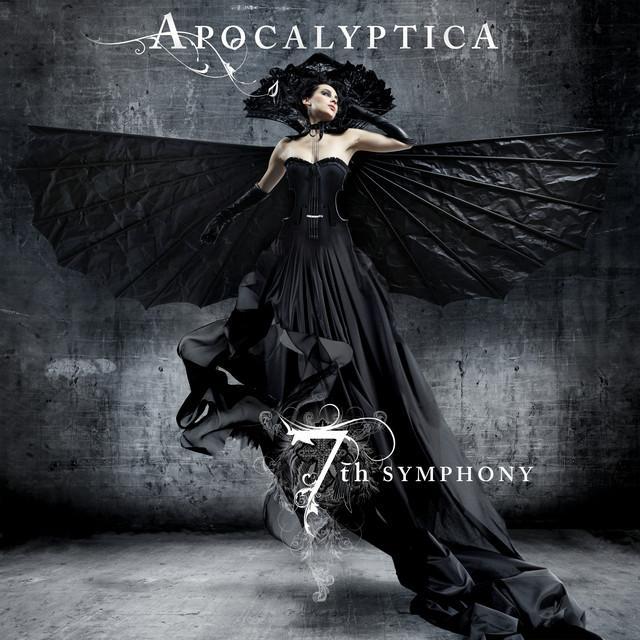
Apocalyptica released the track as the first single from 7th Symphony in 2010, with Bush singer Gavin Rossdale handling vocals. According to Songfacts, it is one of the album's few vocal tracks, and Eicca Toppinen described it as more "Foo Fighters-ish" than a pure metal song. That matters, because the song's direct structure helps its emotional message hit quickly and hard.
The Heart of the Song: Love as Damage
At its center, "End Of Me" is about emotional burnout. The narrator is not simply sad after a breakup. They sound trapped in the aftermath of a relationship where support turned into self-erasure.
The hook says it plainly with the end of me
. That phrase is bigger than ordinary heartbreak. It suggests a relationship so consuming that it threatens the speaker's sense of self.
Interpretation: They are not just leaving a partner. They are trying to recover the version of themselves that got buried in the process.

Watch the official End Of Me
music video
Who the Song Seems to Address
The lyrics point toward a direct confrontation with a former lover. The other person is described through images of manipulation, chaos, and emotional appetite. Early on, the song mixes sacred imagery with violence, pairing memory with danger.
When the lyric mentions rosaries
and then a loaded gun
, it creates a sharp contrast. One image suggests guilt, prayer, or old intimacy. The other suggests threat. Together, they imply that what once looked meaningful or intimate now feels weaponized.
That same pattern shows up again when the speaker calls out poisoning the message
. In plain terms, they believe communication in this relationship has been twisted. Words no longer heal; they injure.
A Short Emotional Timeline
The song moves through a clear emotional arc:
- Memory turns hostile. The opening frames the past as heavy and dangerous, not comforting.
- Sympathy runs out. The speaker no longer wants to excuse the other person's behavior.
- Self-protection kicks in. They want distance, even if that distance feels brutal.
- The haunting remains. Even after the decision to leave, the emotional damage does not vanish instantly.
That final point is key. This is not a clean, triumphant breakup anthem. The speaker wants freedom, but they still feel marked by what happened.
Why the Chorus Hits So Hard
The chorus works because it combines anger and exhaustion. The narrator wants to erase the relationship's hold on them, yet they also admit how deeply it has already changed them.
One of the song's most revealing phrases is I'm the one who suffocated
. That line flips the usual breakup script. Instead of claiming equal blame, the speaker says they were the one being crushed under the emotional weight.
Your rescue, my undo
I'm not the one to save you
This is the emotional turning point. The speaker rejects the role of rescuer. They seem to realize that trying to fix the other person has only destroyed their own stability.
Symbols That Deepen the Meaning
Several recurring images make the song feel darker than a standard post-breakup rock single.
Ghosts, shadows, and memory
The song treats memory like a living force. When it refers to a ghost and to drowning in someone else's shadow, it suggests the relationship is over in practice but still active in the mind. The ex is gone, yet their influence remains.
Ceremony and empire
The words around ritual and power imply performance. The other person may care more about drama, image, or control than honesty. Calling out an empire and a falling kingdom suggests pride built on weak ground.
Interpretation: The song may be criticizing emotional grandstanding—turning pain into theater while someone else pays the price.
How the Sound Carries the Story
Apocalyptica's style gives the song unusual force. They are known for blending cello with heavy rock and metal textures, and here that approach creates tension between elegance and aggression. On this track, the arrangement is more compact and radio-ready than some of their darker instrumentals, which fits Toppinen's comment about its accessible rock shape via Songfacts.
Rossdale's vocal performance is crucial too. He does not sing the lyrics like abstract poetry. He leans into them with a worn, human frustration that makes the song feel lived-in rather than theatrical.
The result is a strong contrast: the cellos add drama and weight, while the vocal keeps the pain personal. That balance helps explain why the song feels intense without becoming confusing.
Alternate Readings Worth Considering
The most obvious reading is a toxic romance. But there is room for a wider view.
Interpretation 1: The song could describe codependency, where one person keeps trying to rescue another and loses themselves.
Interpretation 2: It could also fit any relationship built on emotional manipulation, not only romance. Some lines are broad enough to apply to family conflict or a damaging friendship.
Either way, the emotional center stays the same: they have reached the point where staying feels more dangerous than leaving.
Why the Song Still Connects
The meaning of End Of Me Apocalyptica, Gavin Rossdale endures because it captures a feeling many listeners recognize but struggle to name. Sometimes the hardest part of love is not losing someone. It is realizing that trying to save them has been slowly undoing you.
That is what this song turns into sound: the moment self-protection stops feeling selfish and starts feeling necessary.
Disclaimer: This interpretation is based on the released lyrics, performance, and publicly available background. As with any song, listeners may hear meanings that differ from the ones discussed here.








