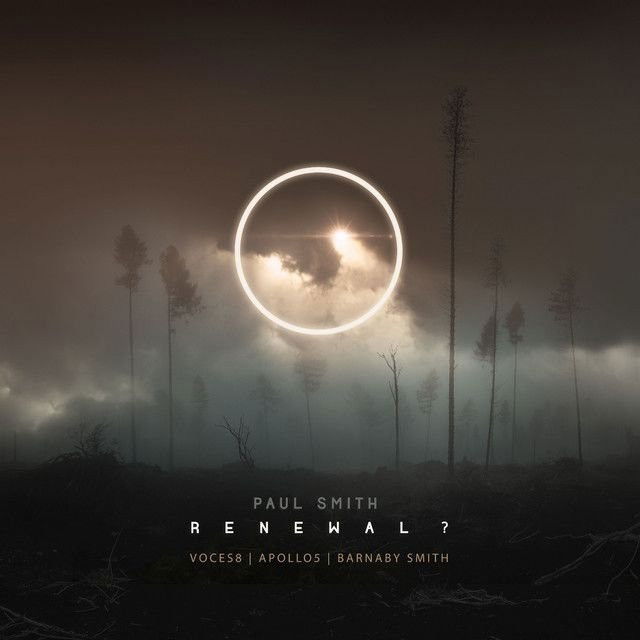
Why 'Darkness' Feels Bigger Than a Nightmare
The meaning of Darkness Paul Smith, Voces8, Apollo5 starts with a simple but chilling idea: a nightmare that becomes a picture of human collapse. This piece does not just describe a world without sunlight. They use darkness as a sign of fear, lost faith, and the way people change when hope disappears.
"Darkness" - Paul Smith, Voces8, Apollo5
The bright sun was extinguish'd, and the stars
Did wander darkling in the eternal space,
Loading lyrics...
Unable to load lyrics
We're unable to display the lyrics at this time. Please try again later.
Because the text is so vivid, the song can feel ancient and immediate at the same time. The result is less like a plot-driven story and more like a warning set to music.
A World Where Light Is More Than Light
At the surface, the lyric imagines a cosmic disaster. The speaker says, not all a dream
, which blurs the line between nightmare and truth. From there, the sun goes out, stars drift, and the earth becomes blind.
That imagery matters because light in poetry usually means more than daylight. It can also mean order, reason, warmth, God, or hope. So when the song says the sun was extinguish'd
and the stars wander darkling
, it is describing both a physical end and an emotional one.
Interpretation: the song suggests that when people lose a shared source of meaning, everything else begins to drift too. Nature becomes unstable, but so do the human heart and mind.
Watch the official Darkness
music video
How the Lyric Moves From Cosmos to Human Panic
One of the strongest parts of the text is its scale. It begins in the sky, then drops down to earth, then moves inside human feeling. That progression gives the song its force.
First, the universe itself loses shape. The scene is rayless, and pathless
, a phrase that removes both light and direction. Then the earth is described as black and moonless, which makes the planet feel abandoned.
After that, the lyric shows what this does to people. Morning arrives, but there is still no day. In other words, the normal cycle of life continues in form but not in meaning. That is when human passion disappears and survival takes over.
The Most Important Emotional Turn
The key line is the one about hearts being chilled into a selfish prayer for light. Paraphrased, the song argues that extreme fear strips away generosity. People do not become noble in the dark; they become desperate.
That is why the lyric hits so hard. It is not only about apocalypse. It is about what crisis reveals.
The Choral Sound Deepens the Meaning
Paul Smith’s setting for voices performed by Voces8 and Apollo5 gives this text unusual weight. Both ensembles are known for precise, expressive ensemble singing and wide-ranging repertoire, as described on their official pages (VOCES8 Foundation and Apollo5). In a choral context, the words stop sounding like one person’s nightmare and start sounding like a shared human vision.
That matters for the meaning of Darkness Paul Smith, Voces8, Apollo5. Multiple voices can make darkness feel communal. Instead of private fear, they hear collective dread.
The likely effect of such a setting is contrast: soft entries that suggest emptiness, then denser harmony to suggest panic or awe. Even without instruments, choral writing can create vast space. Sustained tones can feel frozen. Close harmonies can feel suffocating. Silence between phrases can feel like the void itself.
Symbols That Carry the Song
Several recurring images shape the song’s message:
- Extinguished sun: the loss of life’s center
- Wandering stars: disorder in the universe
- Moonless air: removal of guidance and reflection
- No true morning: routine without renewal
- Selfish prayer: fear replacing compassion
These symbols work because they move from outer darkness to inner darkness. The environment becomes a mirror of human behavior.
Morn came and went and brought no day,
And men forgot their passions in the dread
This brief passage captures the song’s core movement. Time still passes, but meaning does not return. People are still alive, yet they become emotionally smaller.
Is the Song Religious, Psychological, or Political?
There is room for more than one reading.
Interpretation: religious reading. Light often stands for divine presence. In that view, the song imagines what happens when creation is cut off from grace.
Interpretation: psychological reading. The dark landscape can also represent depression, grief, or despair. The world looks dead because the inner self cannot feel warmth anymore.
Interpretation: social reading. The line about selfish prayer can be read as a critique of how societies behave under pressure. In crisis, people may turn inward instead of toward each other.
The reason these readings all work is that the lyric keeps its images broad. It never locks itself into just one explanation.
Why the Piece Still Stays With Listeners
This song lasts in the mind because it pairs huge imagery with a very human truth. They hear stars, earth, and vanished sunlight, but the emotional point is familiar: fear can make people forget who they are.
That is the deepest takeaway in the meaning of Darkness Paul Smith, Voces8, Apollo5. The darkness is not only outside. It enters the heart, cools it, and narrows it.
At the same time, a choral performance creates a small counterpoint to that message. Many voices singing together can sound like the very community the lyric says is at risk. That tension gives the piece its power.
Disclaimer: This interpretation is based on the provided lyrics, performance context, and commonly recognized poetic themes. Meaning can vary from listener to listener.








