Why 'Sign Of The Gypsy Queen' Feels So Urgent
The meaning of Sign Of The Gypsy Queen April Wine comes down to one sharp idea: trust the warning and move before disaster closes in. April Wine did not write the song, but their 1981 cover gave it a bigger hard-rock punch and helped turn it into one of their best-known tracks.
"Sign Of The Gypsy Queen" - April Wine
Brought the man with the warning light
Shouting loud you had better fly
Loading lyrics...
Unable to load lyrics
We're unable to display the lyrics at this time. Please try again later.
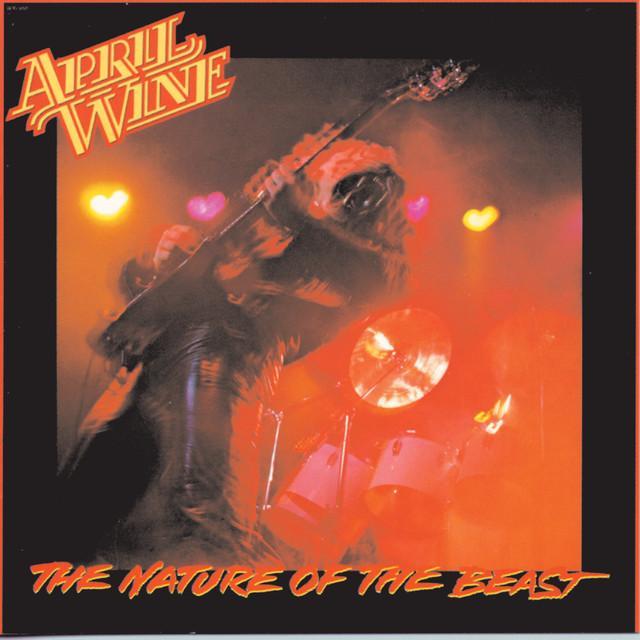
The song was written by Lorence Hud, who first recorded it in the early 1970s. April Wine later released their version on The Nature of the Beast in 1981. According to widely cited chart histories, the cover reached the U.S. Billboard Hot 100 and Mainstream Rock chart, while also charting in Canada. That crossover helps explain why many listeners now associate the song most strongly with April Wine.
A Warning Song Dressed as a Rock Anthem
On the surface, the story is simple. A threat is coming, and someone with second sight has already seen it. The community is told to run, hide, and protect what they can. The chorus keeps pushing that command with phrases like pack your things and leave
and word of a woman who knows
.
That directness is what gives the song its power. There is no long debate and no false comfort. The message is immediate: the danger is real, and the people who survive will be the ones who act.
Interpretation: The gypsy queen is less a character study than a symbol of intuition. She stands for wisdom that arrives before proof does. The song asks whether people can trust a warning that feels mystical before the evidence becomes impossible to ignore.

Watch the official Sign Of The Gypsy Queen
music video
The Story Moves Like a Chase Scene
The verses build a vivid sequence of events. First comes the sign in nature and the first alarm. Then the narrator describes growing panic as the threat gets closer. Finally, the song shifts into escape mode, where motion itself becomes the only sane response.
A few details make that movement easy to follow:
- A violent image opens the song, suggesting that the sky itself is sending a message.
- A messenger appears, shouting that people should flee.
- The town begins to feel overrun by unseen danger.
- The chorus turns warning into action.
When the song says trouble's comin' without control
, it frames the threat as bigger than any one person. And when it adds running seems like the best offense
, it flips the usual rock idea of standing and fighting. Here, survival is not cowardice. It is wisdom.
What the Chorus Really Means
The chorus is memorable because it sounds like an order, not a reflection. The repeated title line, Sign of the gypsy queen
, works almost like a stamped seal of authority. Each return to the hook says the same thing: the warning has been given, and now the choice belongs to everyone else.
Pack your things and leave
Take all your gold and you go
Those lines do more than describe escape. They suggest a total break from ordinary life. Home, security, and routine all become less important than getting out alive.
Interpretation: The reference to gold may signal more than money. It can also point to whatever people cling to when crisis hits—status, possessions, or identity. The song strips survival down to one brutal rule: move now, sort meaning out later.
Images of Storm, Shadow, and Fate
The lyrics use classic danger symbols: lightning, darkness, hurricane force, shadows, and a sleepless town. None of these images are especially complicated on their own, but together they create a mood of dread that keeps spreading.
The strongest motif is the collision between human choice and fate. The queen sees what is coming, but other people still have to decide whether to listen. That tension gives the song emotional depth. It is not just about doom; it is about the terrible moment before doom, when action is still possible.
For many listeners, that is the heart of the meaning of Sign Of The Gypsy Queen April Wine. It captures the feeling of sensing danger early, when others may still hesitate.
Why April Wine's Version Hits So Hard
Lorence Hud's original introduced the song, but April Wine's cover pushed it into hard-rock territory. Their version was released in 1981 as the second single from The Nature of the Beast, with production credited to Myles Goodwyn and Mike Stone. The tougher arrangement matters because the song is built on momentum.
The guitars feel sharp and forward-driving. The drums keep things urgent rather than loose. Even the vocal delivery sounds like it is pressing against time. Instead of treating the lyric as a spooky folk tale, April Wine play it like a full-speed evacuation.
That choice changes the emotional effect. In softer hands, the song might sound mysterious. In April Wine's hands, it sounds inevitable.
Two Strong Ways to Read It
There are at least two useful readings of the song:
A literal escape narrative
They may be singing about a real oncoming catastrophe—storm, attack, or some unnamed violent event. The references to weather, fear, and fleeing support that reading.
A metaphor for crisis
Interpretation: The song can also describe any moment when collapse is visible before everyone admits it. That could mean a broken relationship, social unrest, or personal burnout. The gypsy queen then becomes the inner voice saying: leave before the damage becomes permanent.
Why the Song Still Lasts
Part of the song's staying power is its simplicity. It tells a clear story, but it leaves just enough mystery around the warning and the queen herself. That mix of narrative and symbolism helps it travel across decades.
It also helps that April Wine's version brought the song to a broad rock audience and remains tied to the band's legacy. Their cover did not just revive the tune. It sharpened its fear, speed, and stakes.
In the end, the meaning of Sign Of The Gypsy Queen April Wine is about respecting the signs before chaos arrives. The song turns prophecy into motion and fear into survival.
Disclaimer: This interpretation is based on the lyrics, recording context, and common critical reading. As with any song, listeners may hear different meanings in the same words.








