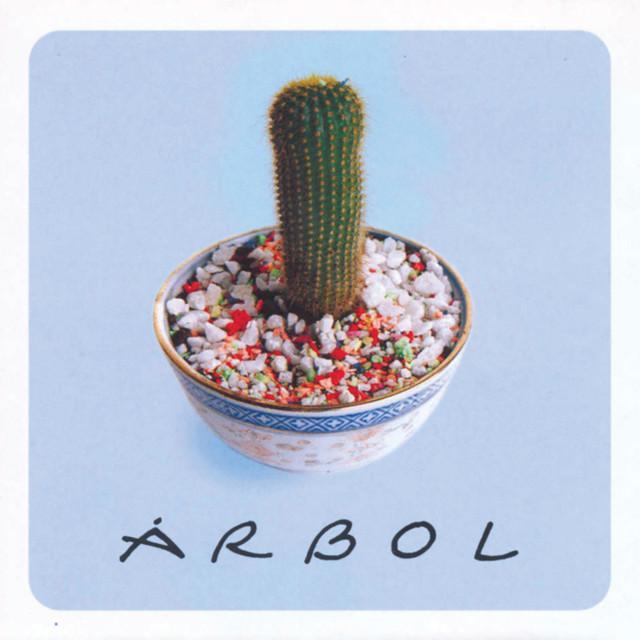
Rosita by Árbol: Chaos Turned Into Satire
The meaning of Rosita Árbol is not simple because the song does not tell a neat story. Instead, it throws listeners into a world of ugliness, noise, and absurd danger. The images feel gross, funny, and unsettling at the same time. That mix is the point.
"Rosita" - Árbol
enferma why gris,
gente honesta
Loading lyrics...
Unable to load lyrics
We're unable to display the lyrics at this time. Please try again later.
Rather than describing one person named Rosita in a direct way, the song seems to paint a sick social landscape. It piles up ugly details, then shouts a crude refrain, as if the only honest response to modern life is disbelief. In that sense, “Rosita” works like a punk collage: quick, rude, and hard to ignore.
The Heart of the Song’s Message
At its core, the meaning of Rosita Árbol appears to be about disgust with everyday reality. The lyrics open with a list of broken people and broken spaces. When the band mentions gente fea
and then moves to images of illness and grayness, they are not giving a balanced portrait of society. They are exaggerating its worst side.
That exaggeration matters. This is not realism in a careful, documentary sense. It is more like cartoon horror. Honest people are said to stink, trains keep the speaker awake, and even dogs become threatening. The song turns daily life into a dirty fever dream.
Interpretation: The track may be mocking a world where everything feels contaminated, from public space to personal morality. Even supposedly decent people are described in foul terms, which suggests a loss of faith in easy ideas of innocence.

Watch the official Rosita
music video
A World Built From Bad Images
One reason the song hits so hard is its use of rapid, ugly snapshots. The line about trains that do not let the speaker sleep gives the song a physical setting: restless, urban, and loud. Then it jumps to the bizarre image of perros que murrden
grandmothers, which pushes the song from complaint into grotesque satire.
That same method continues in the second half. The song counts up diez tragedias
and says they feed the body. That is a striking idea. Pain is not outside the self; pain becomes part of what a person is made of.
en piletas
llenas de barro
These two short lines deepen the feeling of filth and stagnation. Mud is not just dirt; it is a trap. People do not simply walk through this world. They seem stuck in it.
Who Is Speaking in “Rosita”?
The voice sounds personal, but not confessional. The speaker says the trains do not let them sleep, so there is a clear human point of view. Still, they do not offer a diary-like story or explain their feelings in detail. They report a series of violations and horrors.
That makes the song feel less like intimate sadness and more like social nausea. The singer sounds overwhelmed, irritated, and half-amused by how rotten everything looks.
Interpretation: They may be acting as a witness to decay rather than a hero inside a plot. The lack of a clear narrative helps the song feel universal. Any listener who has felt trapped by noise, stress, or ugly public life can recognize the mood.
Why the Crude Hook Matters
The repeated outburst Mother Fucker!
is easy to hear as shock value, and yes, it is meant to shock. But it also has a structural role. Each verse builds a pile of bad images, and that shouted phrase works like a pressure release valve.
Instead of offering wisdom, the song gives a curse. That tells listeners something important: the world it describes is beyond polite language. The refrain becomes the emotional summary of everything before it.
In punk and alternative rock, a sudden vulgar shout can act like a truth signal. It says that normal speech has failed. Here, the band uses that tactic to turn disgust into energy.
Sound, Style, and Artist Context
Árbol are known in Latin alternative and rock for mixing humor, aggression, and catchy arrangements. “Rosita” fits that identity. Even on the page, the lyrics feel percussive: short bursts, hard nouns, and quick jumps between images.
The song was written by Eduardo Pablo Schmidt and Matías Méndez. In a band context like Árbol’s, that matters because their writing often gains force from performance, not just from text. Fast rhythm, punchy drums, and shouted vocals can make absurd lines feel even more explosive.
That is why the meaning of Rosita Árbol is tied to sound as much as words. A gentler arrangement could make these images seem tragic. A rougher, more driving rock setup makes them feel sarcastic and confrontational instead.
For broad artist context, Árbol emerged from Argentina’s alternative rock scene, where genre-mixing and irony were common in the 1990s and 2000s; their background is summarized in this band overview. The song’s title also creates an odd contrast with the soft, floral idea of “Rosita.” Outside the song, “rosita” can refer to a flower, including the fragrant “rosita de cacao,” a blossom used in Mesoamerican drinks like tejate, as noted in Quararibea funebris. That makes the title even stranger: something that sounds delicate fronts a song full of grime.
The Title’s Strange Irony
The title is one of the song’s best clues. “Rosita” sounds affectionate, small, even sweet. But the lyrics are filled with ugliness. That clash may be deliberate.
Interpretation: The title could be ironic, turning a tender name into a frame for social rot. It may suggest that beauty has been buried under mud, noise, and cruelty. Or it may simply sharpen the joke: the prettier the title, the harsher the shock.
Final Take on the Meaning of Rosita Árbol
The meaning of Rosita Árbol seems less about one event than one emotional state: revulsion at a damaged world. Through ugly humor, surreal violence, and punk-style shouting, the song turns everyday stress into a distorted social nightmare.
That is why “Rosita” still stands out. It does not ask listeners to admire its beauty. It asks them to feel the mess.
Disclaimer: This interpretation is based on the released lyrics, the song’s sound and style, and public artist context. As with many surreal songs, different listeners may reasonably hear different meanings.







