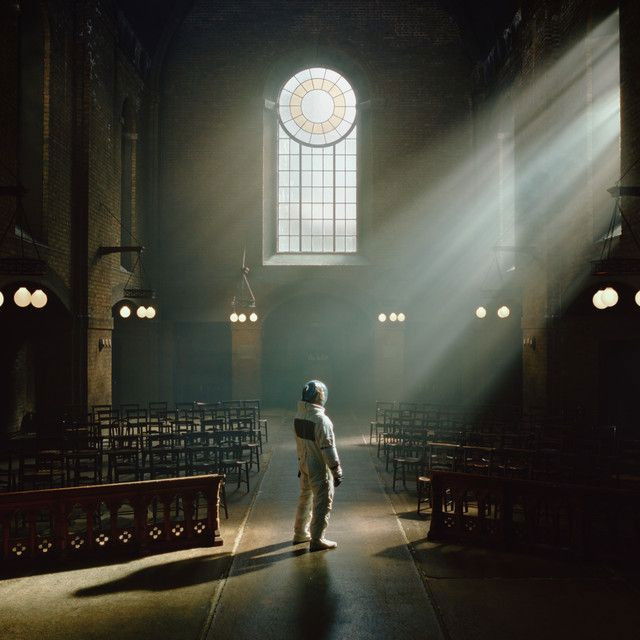
Animals by Architects
A heavy anthem turns social collapse into something personal, asking what happens when people know the system is broken but keep feeding it anyway.
"Animals" - Architects
Provided by LyricFindI do my best, but everything seems ominous
Not feeling blessed, quite the opposite
This shouldn't feel so monotonousLoading...Loading lyrics...
Unable to load lyrics
We're unable to display the lyrics at this time. Please try again later.
Why the meaning of Animals Architects hits so hard
The meaning of Animals Architects centers on human behavior under pressure. The song sounds like a breakdown in real time, but its anger is bigger than one bad day. It points at a world that feels corrupt, exhausting, and stuck in a cycle of damage.
Architects released “Animals” in 2020 as the lead single from For Those That Wish to Exist, a record the band described as engaging with the state of the world and humanity’s future. That broader context matters because the song does not read like a diary entry alone. It feels like a social diagnosis delivered through personal panic.
Factually, the song was written by Dan Searle, Sam Carter, Alex Dean, and Josh Middleton, and it appeared on the 2021 album For Those That Wish to Exist. It was produced by Dan Searle and Josh Middleton with additional studio collaboration around the album era, according to the band’s release materials and album credits.[1][2]
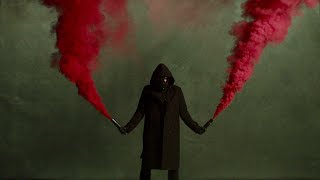
Watch the official Animals
music video
The chorus turns people into a mirror
The line just a bunch of animals
gives the song its bluntest idea. In plain language, it suggests that people like to think they are rational and moral, but often act on impulse, fear, and selfishness.
That idea gets sharper because the song adds afraid of the outcome
. So the message is not simply that humans are destructive. It is that they create messes and then panic when the results arrive. That tension is where the chorus lands: guilt, denial, and dread all at once.
Interpretation: This is why the song feels both social and intimate. They are not only accusing others. They are placing the speaker inside the same failing system.
A narrator trapped between resistance and surrender
In the verses, the speaker tries to hold things together but keeps losing ground. When they say I could stop the rot
, the image is of someone trying to slow decay, whether that decay is personal, moral, political, or environmental.
Then the song undercuts that effort with the feeling of collapse. The ground gives way, the plan fails, and the speaker seems to admit they no longer have control. The repeated question Should I just pull the pin?
captures that crisis point.
That phrase matters because it sounds like a choice between restraint and detonation. It suggests setting off something irreversible. The speaker does not sound eager about it. They sound cornered.
Who are they talking to?
Part of the song’s force comes from its shifting target. At moments, the speaker sounds like they are talking to society. At others, it feels like they are talking to themselves. The line Don't cry to me
pushes back against fake innocence, as if people want sympathy after helping build the disaster.
Interpretation: The song works because it keeps both readings alive. It can be read as a public scream or an internal argument.
Symbols of decay, illusion, and buried value
Several images deepen the message without spelling everything out.
- Rain and pouring: trouble does not arrive gently; it arrives all at once.
- Rot: decline is already underway before anyone reacts.
- Dream within a dream: reality feels distorted, unstable, or manufactured.
- Diamond in the mud: something valuable survives inside corruption.
- Glass cathedral: a grand human structure that looks permanent but may be fragile, artificial, or spiritually empty.
The most hopeful image is probably diamond in the mud
. Even in a ruined setting, there is still something worth saving. Right after so much disgust, that image keeps the song from becoming pure nihilism.
The sound makes the message feel physical
“Animals” was widely noted as a stylistic turn because it leaned into a simpler, groove-driven heaviness compared with some of the band’s earlier, more intricate metalcore writing.[3] That change helps the meaning land.
The main riff pounds rather than races. It feels mechanical, repetitive, and oppressive, which matches the lyrics’ sense of being trapped in a system. Electronic layers add a cold, industrial edge, making the world of the song feel less human and more manufactured.
Sam Carter’s vocal delivery is also key. He does not just shout anger. He sounds strained, almost disgusted, as if the words are being dragged out of him. That makes the chorus feel less like swagger and more like a warning.
Why the hook is so effective
The chorus is easy to remember, but it is not comforting. It sticks because it reduces a huge moral crisis to a brutal sentence. Instead of offering a solution, it forces listeners to sit with the ugly possibility that people already know better and still keep failing.
A song about society, but not only society
One reading is clearly collective: the song is about civilization eating itself through denial, violence, greed, and short-term thinking. That fits the album’s public themes and the timing of its release.
A second reading is more personal. The lyrics can describe burnout, depression, and the feeling that every attempt to improve things ends in setback. In that version, calling people animals is also self-accusation.
Interpretation: The song’s strength is that both meanings support each other. Social collapse feels personal, and personal collapse starts to look social.
Why “Animals” still resonates
The meaning of Animals Architects lasts because it captures a very current feeling: people sense something is wrong, but they are not sure whether to repair it, endure it, or blow it up. The song gives that tension a huge sound and a simple, unforgettable hook.
It is not really about literal animals. It is about what humans become when fear outruns wisdom. And it asks whether they are brave enough to face the consequences of that truth.
Disclaimer: This interpretation is based on the lyrics, the band’s public album context, and the song’s musical presentation. As with most songs, listeners may hear different meanings in it.









