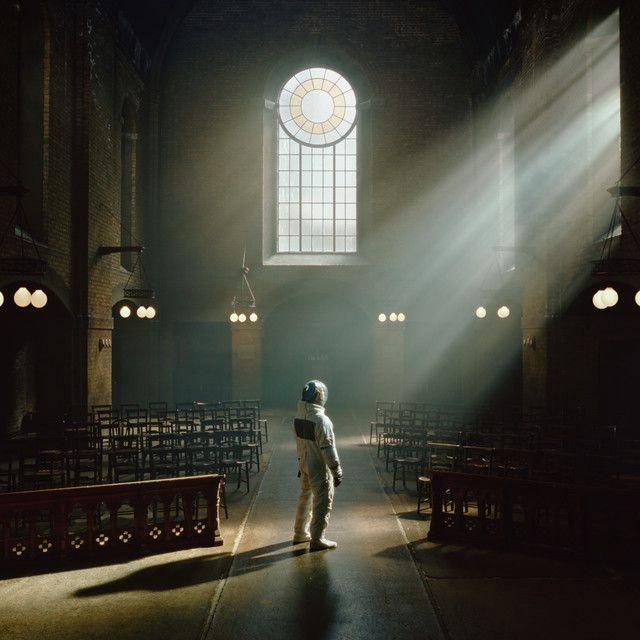
Dead Butterflies by Architects
The meaning of Dead Butterflies Architects often comes down to one striking tension: they want comfort, peace, and some kind of faith, but they keep running into loss. The song turns that struggle into big, memorable images instead of a simple story.
"Dead Butterflies" - Architects
I wanna feel the ground beneath my feet
But I've got a smile full of broken teeth
Loading lyrics...
Unable to load lyrics
We're unable to display the lyrics at this time. Please try again later.
Released as the third single from For Those That Wish to Exist on January 20, 2021, the track arrived during a period when the band was widening its sound and thinking more openly about fear, responsibility, and the future. It later appeared on the album on February 26, 2021. According to reported coverage at NME, Dan Searle said the album looked at humanity's failure to change in ways that could protect the future. That context matters because this song sounds personal, but it also fits a wider mood of crisis and uncertainty.
The Heart of the Song Is a Lost Self
At its core, the song sounds like someone trying to hold onto dignity while feeling spiritually and emotionally worn down. Early on, they reach upward with bother God
, then immediately drop into physical and emotional pain. That pairing suggests they are not calm or secure. They are desperate for contact, meaning, and something solid beneath them.
The line about a smile full of broken teeth
is especially important. Paraphrased, it describes a person trying to look okay while carrying damage that cannot be hidden forever. Interpretation: this is one of the song's clearest images of survival under pressure. They are still standing, but not whole.

Watch the official Dead Butterflies
music video
Birds, Flowers, and Butterflies Carry the Message
Architects pack the song with natural images, but none of them feel peaceful. Doves, flowers, ravens, and butterflies usually suggest innocence, growth, warning, or transformation. Here, those symbols are twisted.
When the song says all the doves have flown away
, it suggests peace has left. Doves often stand for calm or hope, so their absence makes the world feel harsher. Then the song brings in ravens, darker birds linked with death, ruin, or bad omens. The contrast tells listeners that gentleness has been replaced by something colder.
The flower image works in a similar way. The idea that an unbloomed flower is forgotten points to wasted potential or a life that never gets the chance to open up. Interpretation: this may reflect private self-doubt, but it can also point to a society that values only what shines, succeeds, or looks useful.
That idea is reinforced by it must be gold
. In plain terms, the song is questioning false value. If something glitters, people assume it matters. If it never blossoms, they ignore it.
Why the Chorus Hits So Hard
The title phrase is the song's emotional center. By the time the chorus lands on dead butterflies
, the earlier images of lost peace and damaged identity have turned into one final symbol.
Butterflies usually represent change, rebirth, or beauty after struggle. Making them dead reverses that meaning. Instead of transformation, the song gives listeners stalled growth. Instead of hope, it shows beauty after collapse.
Fly highthe ravens are here to stay
This is the article's clearest snapshot of the song's worldview. Something gentle tries to escape, but darkness seems more permanent. Interpretation: the chorus may describe depression, grief, or moral exhaustion. It may also reflect a world where hope exists, yet destructive forces feel stronger and more lasting.
The Sound Makes the Pain Feel Huge
Part of the reason the song connected so strongly is its scale. Reports on the single and album describe it as anthemic rock with huge guitars, booming drums, sleek production, and orchestral touches. That is a useful clue for meaning because the music does not treat these feelings as small or private. It makes them feel public and overwhelming.
The song was written by Josh Middleton, Alex Dean, Adam Christianson, Sam Carter, and Dan Searle, with production credited to Dan Searle and Josh Middleton. Sonically, it sits in the band's broader shift on For Those That Wish to Exist, where they leaned into melody and arena-sized dynamics without fully losing their heavy roots.
That matters for interpretation. A quieter arrangement might have made the lyrics feel like a diary entry. Instead, the band uses lift and impact to make inner collapse sound communal, almost like a shared crisis. That lines up with the album's larger concerns about human responsibility and global instability.
A Personal Cry Inside a Bigger World
There are at least two strong ways to read the song:
- Personal reading: it is about burnout, depression, or a crisis of identity.
- Wider reading: it reflects a damaged world where hope, innocence, and growth are being crushed.
Both readings work because the lyrics stay symbolic. The repeated idea of having lost myself
keeps the focus intimate, while the imagery points outward to something broader than one bad day.
Why "Dead Butterflies" Still Lands
The meaning of Dead Butterflies Architects is powerful because the song balances vulnerability with scale. It speaks in broken images rather than neat answers, and that makes the feeling more believable. They are not offering recovery in a simple way. They are showing what it feels like when peace leaves, value becomes distorted, and transformation never arrives.
That is why the song stays with listeners: it sounds beautiful, but it is haunted by decay.
Disclaimer: This interpretation is based on the lyrics, the band's album-era context, and reported production details. As with any song, listeners may hear different meanings in the same images.









