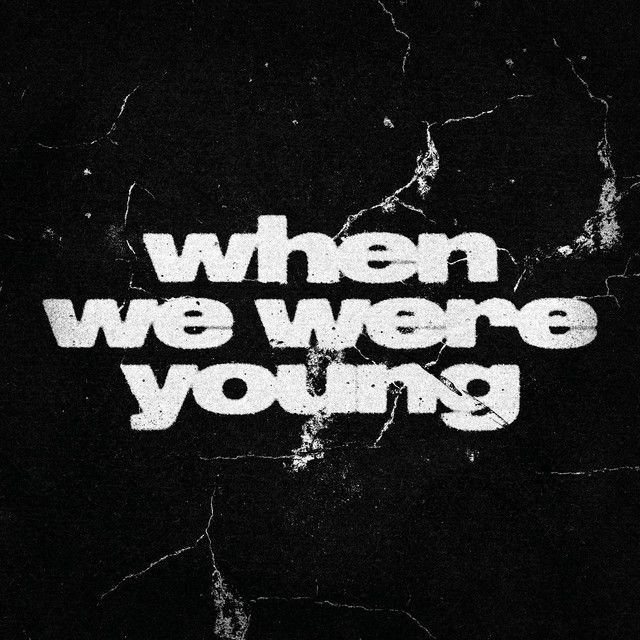
when we were young by Architects
The meaning of when we were young Architects centers on a painful but familiar idea: growing older often means realizing they did not have life figured out after all. Architects frame that realization with big, dramatic language, but the heart of the song is simple. It is about lost certainty, broken communication, and the cost of chasing intensity.
"when we were young" - Architects
One, two, three, four
We're separated by a margin of a greater degree
Loading lyrics...
Unable to load lyrics
We're unable to display the lyrics at this time. Please try again later.
Because the lyrics speak in a shared voice, the song feels wider than one breakup or one argument. It sounds like they are looking at a generation, a community, or even their own band history and asking what happened to the confidence they once had.
A Chorus About Youthful Confidence Cracking
The chorus gives away the main emotional turn. It remembers a time when they believed they had the whole world figured out
. That line is not just nostalgia. It is a confession that youth can feel clear, even when it is actually naive.
Then the song flips that certainty into confusion. When they say speak in tongues
, the point is not literal language. It suggests that people who once felt united now struggle to understand each other at all. The older they get, the harder honest connection seems to become.
Interpretation: This is why the refrain hits so hard. It is not only about missing the past. It is about noticing that the shared map they trusted no longer works.

Watch the official when we were young
music video
The Verses Show Distance Without Cutting Ties
Early on, the song describes people who are made of the same stuff but now move in different directions. That is a sharp image for family, old friends, former versions of themselves, or social groups that once felt close. They are still connected, yet clearly divided.
The line about reading the remedy but still sounding the same pushes that idea further. They may know the advice, the fix, or the lesson. But knowledge alone does not change behavior. They can see the problem and still repeat it.
That tension gives the song its emotional realism. Many songs about youth make the past seem pure. This one does not. It admits that even then, the seeds of the current mess were probably already there.
Why the Icarus Image Matters
The most striking image is flew into the sun
. The phrase brings to mind the Icarus myth, where ambition and thrill lead to disaster. In this song, it suggests more than simple failure. It captures the temptation to chase heat, speed, and transcendence even when they know it could end badly.
This matters because the song never paints youth as safe. It paints it as intoxicating. They were not just hopeful; they were reckless enough to believe they could outrun consequence.
Interpretation: In that reading, the song is not merely saying they were wrong when they were young. It is saying they were drawn to extremes, and those extremes helped shape the confusion they live with now.
Shadow, Devil, and the Price of Repetition
In the second verse, the song turns darker. The singer is tied to a shadow that keeps following, which sounds like guilt, depression, old habits, or the past itself. That image gives the track a haunted feel.
When the lyric says it was heavenly then
but darker forces were calling, Architects show how pleasure and danger can blur together. Something that once felt beautiful can later look destructive. The cards, the rules, and the shadow all suggest cycles they keep replaying.
This helps explain the chorus too. Their confusion is not random. It comes from patterns they have not escaped.
A Bridge That Pushes Toward Gratitude
The bridge is where the song opens up emotionally. It asks if someone has fallen or if they were simply carried by a high. That question matters because it blurs the line between accident and choice, between collapse and thrill.
Then comes the song’s clearest challenge to the listener: people fear death so much that they forget to say thank god we're alive
. That moment does not erase the darkness. Instead, it pushes against it.
Everybody's so afraid they could die
But they never once said
Thank god we're alive
This is the closest the song gets to resolution. It does not promise healing, but it does suggest a better stance: less panic, more presence.
How the Sound Supports the Meaning
Architects are known for mixing metalcore weight with arena-sized hooks, a style documented across coverage of the band’s catalog by outlets like NME and Kerrang!. In this track, that balance matters to the meaning.
The verses feel tense and driving, which fits the themes of pressure and inner pursuit. Then the chorus opens wider, making the nostalgia feel huge rather than private. Sam Carter’s vocal delivery helps sell both sides: strain in the reflective lines, then lift in the big refrain.
From a production angle, the song uses contrast well. The polished hook makes the memory of youth sound seductive, while the heavier undercurrent keeps reminding them that this memory is not innocent. That push and pull is the song in musical form.
A Few Strong Readings of the Song
There is more than one way to hear the meaning of when we were young Architects:
- A song about aging: They look back on youthful certainty and admit adulthood feels messier.
- A song about broken connection: The shared voice suggests people who once understood each other now live in separate mental worlds.
- A song about ambition and burnout: The sun image implies that chasing intensity can leave damage behind.
These readings can all be true at once, which is part of the song’s appeal.
Why It Stays With Listeners
The song works because it captures a common adult shock: they expected growth to bring clarity, but instead it often brings contradiction. They know more, yet feel less sure. They have survived, but survival alone does not answer every question.
Architects turn that uneasy truth into a song that is both reflective and alive. It mourns what was lost, but it also insists there is still something worth saying yes to.
Disclaimer: This interpretation is based on the lyrics, performance, and publicly available song context. As with any song, listeners may find personal meanings that differ from this reading.









