Why 'Cornerstone' Still Hurts So Much
The meaning of Cornerstone Arctic Monkeys comes through in a simple but painful idea: they tell the story of someone who cannot let go. Instead of moving on, the narrator keeps searching for a lost partner in crowded rooms, familiar bars, and even in other people’s faces.
"Cornerstone" - Arctic Monkeys
But it was only a look alike
She was nothing but a vision trick
Loading lyrics...
Unable to load lyrics
We're unable to display the lyrics at this time. Please try again later.
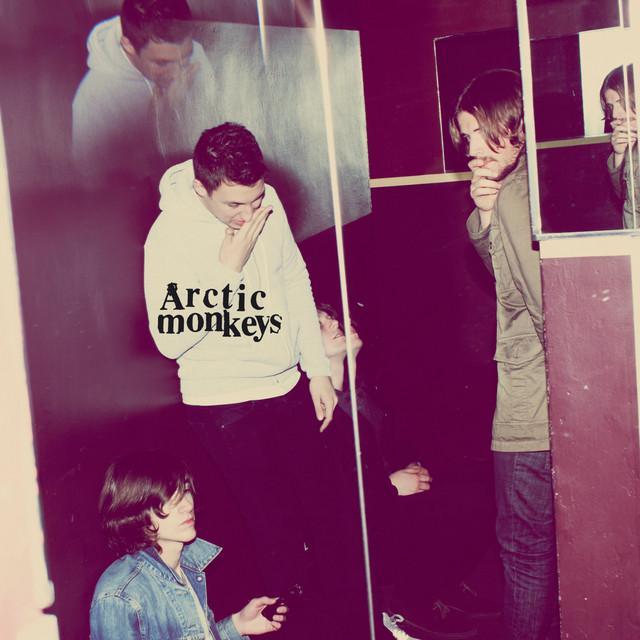
Released as a single from Humbug in 2009, “Cornerstone” was written by Alex Turner and recorded during the band’s darker, moodier era, with Josh Homme credited as a producer on the album alongside James Ford, according to the band’s album credits and major music databases. That context matters. “Cornerstone” sounds softer and sweeter than some of Humbug, but it still carries the album’s haze, loneliness, and oddness.
A breakup song built from near-misses
At its core, the song follows a narrator who thinks he sees his ex in several different women. Each scene starts with hope, then collapses into embarrassment. He approaches strangers because they seem close enough to be your ghost
, but the illusion breaks when he asks whether he can call them by the old lover’s name.
That detail is the key to the song. He is not really meeting new people as themselves. He is measuring them against someone he lost. The heartbreak is not dramatic or explosive. It is repetitive, awkward, and sad in a very human way.
Interpretation: This is why the song feels so real to many listeners. It captures the way memory can distort vision after a breakup. A person is gone, but their outline still seems to appear everywhere.

Watch the official Cornerstone
music video
The pub crawl tells the emotional story
One of the smartest things about “Cornerstone” is its structure. The narrator moves through named places, each one feeling like another stop in a private search. The rooms are ordinary, but his mind turns them into stages for longing.
Why the settings matter
The bars are not just background. They suggest routine, nightlife, and the kind of wandering that happens when someone is trying not to go home and sit alone with their thoughts. He keeps checking places as if the lost relationship might somehow still be waiting there.
That is also why the line about the drive home hits so hard. When he says I elongated my lift home
, the song shows a small act of denial. He wants the moment to last a little longer, so he keeps my shortcuts to myself
. It is a tiny, believable detail, and it says a lot about how desperate he feels for connection.
Who the narrator is really chasing
On the surface, he is chasing a former lover. Underneath that, he may be chasing the version of himself that existed in that relationship. The repeated mistakes suggest he no longer knows how to see clearly without comparing everything to the past.
When he asks, Where's your hiding place?
, it sounds like he is searching for a missing person. But the next thought is even sadder: he worries he might forget her face. That shifts the song from pursuit to panic. He is not only losing the person; he is losing the memory.
Interpretation: The song may be less about reunion than about fear of erasure. If he forgets her face, then the relationship becomes harder to prove to himself.
The ending is funny, uneasy, and tragic
The final verse is famous because it pushes the song into uncomfortable territory. He sees the ex’s sister in the Cornerstone and decides she might understand. In plot terms, it is a twist. In emotional terms, it shows how warped his thinking has become.
The sister is the closest possible substitute, which is exactly why the moment lands with both comedy and sadness. Her answer, call me anything you want
, can be heard in more than one way. It may be pity. It may be kindness. It may even be resignation.
Interpretation: That ending does not feel like victory. It feels like the lowest point of the narrator’s grief, where closeness has replaced intimacy and resemblance has replaced love.
How the music carries the meaning
Musically, “Cornerstone” is one of Arctic Monkeys’ gentlest songs from that period. It leans on a warm melody, light rhythm, and a vocal delivery that sounds tender rather than sarcastic. That matters because the lyrics could almost read like dark comedy on paper.
Instead, the arrangement gives the story dignity. The tune has a slightly vintage, almost music-hall elegance, which makes the narrator seem vulnerable rather than creepy. The softness in Turner’s voice helps sell the sadness behind each awkward scene.
This also fits Humbug as an album. The record is often described as moodier and more atmospheric than the band’s earlier work, and “Cornerstone” offers a melodic center inside that fog. It is easier to sing along with, but it still feels lonely.
Why the song stays with people
The meaning of Cornerstone Arctic Monkeys lasts because it turns messy feelings into vivid scenes. It is about mistaken identity, but also about how love can become a mental habit long after a relationship ends.
Listeners often connect to its ordinary details: the bars, the taxi ride, the false hope, the social awkwardness. Those moments make the song feel less like a grand statement and more like a lived experience.
In the end, “Cornerstone” is a bittersweet portrait of someone who cannot stop looking backward. Every new face becomes a test. Every familiar place becomes a reminder. And the title itself suggests the final point: the lost person is still the emotional foundation he measures everything else against.
Disclaimer: Song meaning is always open to interpretation. This reading separates factual context from interpretation and offers one evidence-based view of the song’s themes.








