
There’d Better Be A Mirrorball by Arctic Monkeys
A soft-focus goodbye dressed up like a last slow dance.
"There’d Better Be A Mirrorball" - Arctic Monkeys
Provided by LyricFindDon't get emotional, that ain't like you
Yesterday's still leaking through the roof
That's nothing newLoading...Loading lyrics...
Unable to load lyrics
We're unable to display the lyrics at this time. Please try again later.
A Breakup Framed Like a Last Slow Dance
Arctic Monkeys open The Car with a curtain-call farewell. The meaning of There’d Better Be A Mirrorball Arctic Monkeys centers on a breakup where both people already know it’s over. Instead of drama, they choose elegance. The request for one more shimmer—the mirrorball—turns a painful exit into a final slow dance.
This is not youthful heartbreak. It’s weary, grown-up acceptance. The narrator starts from restraint—Don't get emotional
—yet can’t help slipping back into romance. They admit to being an old romantic fool
, signaling self-awareness and a desire to make the ending beautiful, not cruel.
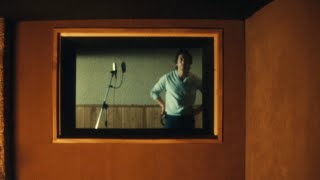
Watch the official There’d Better Be A Mirrorball
music video
Who’s Talking, and Why the Goodbye Hurts
The song speaks in first person to a partner. The mood is private and late-night. Lines about walk me to the car
and a heavy heart
place the scene outside a party or apartment, a familiar threshold where people say what they can’t inside.
A simple timeline helps:
- They try to stay calm but memories flood in.
- They play the romantic one last time, knowing it’s a role.
- They ask for courtesy and grace on the walk out.
- They imagine the polite sign-off—
it's been nice
—before the final parting.
The Mirrorball: Glamour, Performance, and Closure
The chorus is a plea for gentleness and stage lighting—literally and figuratively. It asks for a graceful frame around the hurt:
So can we please be absolutely sure That there's a mirrorball?
Interpretation: the mirrorball stands for performance, nostalgia, and the illusion that pain can be made pretty for a minute. They want the glint of a dancefloor to soften the edges of goodbye. The extra tag—“for me”—suggests the narrator needs that comfort even if the partner has moved on.
Key Images That Pin the Mood
Turner’s writing is full of tactile images that point to decay and revision. “Yesterday’s still leaking through the roof” paints a house where the past drips into the present—old feelings won’t stay sealed. The wish to throw the rose tint
back on an “exploded view” captures two clashing urges: forensic truth versus the comforting blur of nostalgia.
They scold a partner for getting cynical, but also catch themselves in performance. Calling oneself an old romantic fool
both admits the act and defends it; sometimes fantasy is a kindness. The jab at an “insatiable appetite” for the neat break-up line (it's been nice
) hints at emotional detachment—politeness used as armor.
How the Sound Sells the Story
Musically, “Mirrorball” moves like a slow sway. A patient tempo, brushed drums, piano, and roomy vocals give it a closing-time feel. Cinematic strings swell and recede, mirroring the narrator’s defenses rising and falling. The production, handled by James Ford, favors space over punch, as if the band recorded in a dim hall with reflections bouncing off the walls.
This lush, 1970s-tinged palette continues the crooner sensibility from their previous era but feels more orchestral and widescreen. As the lead single from 2022’s The Car, it set expectations: this would be an album about memory, poise, and the show business of feeling.
Where Fact Meets Feeling: Credits and Context
Alex Turner wrote the song; James Ford produced it. The track arrived first, signaling the album’s cinematic scope and its interest in glamour versus reality. The strings don’t just decorate—they act like lighting cues over the narrator’s stage. When the vocal loosens into soft falsetto touches, it suggests the guard dropping, then being pulled back up.
These choices support a narrator caught between confession and control. The music makes the goodbye sound beautiful while the words admit it still stings.
Alternate Takes Worth Considering
Interpretation: the mirrorball could be about celebrity itself. The breakup doubles as the end of a phase with the public—a request to let the lights spin once more so everyone leaves with a good impression. The politeness, the choreography, the walk to the car all echo red-carpet rituals.
Another reading keeps it literal: two people outside a venue ask for one last song. The mirrorball is just the dancefloor light they need to process the end. Either way, the symbol binds style to emotion: a small spectacle to contain big feelings.
What It Leaves with Listeners
At heart, the song argues for grace. If love must end, let it end beautifully. The mirrorball doesn’t fix the hurt, but it refracts it into something humane and memorable.
Interpretation disclaimer: Meaning is subjective. This reading blends lyrical analysis with public information on credits and release context.








