
Why "Time Machine" by AREA21 Hits So Hard
The meaning of Time Machine AREA21 comes down to a feeling almost everyone knows: missing simpler days, then realizing the present will one day be missed too. On the surface, the song sounds like a playful wish to go back in time. Under that, it is really about growing up, feeling pressure, and learning to value life before it slips into memory.
"Time Machine" - AREA21
I would go back, do it all over again, but
I don't have a time machine
Loading lyrics...
Unable to load lyrics
We're unable to display the lyrics at this time. Please try again later.
AREA21 is the duo of Martin Garrix and Maejor, a project they launched as a more colorful, character-driven space for pop, hip-hop, and electronic music. The song appeared on their album Greatest Hits Vol. 1, which helped define the duo’s bright, animated world. The official credits list Brandon Green, Martijn Garritsen, Thomas Martin, and Vincent van Reeken as writers, matching the names provided in song credits and releases.
A Nostalgia Song That Refuses to Stay Sad
At first, the song is built around regret. The hook imagines a magical fix: time machine
. The speaker wants to go back and relive childhood, not because everything was perfect, but because life felt lighter and less demanding.
They describe a younger self who moved through the world without worrying much. Then adulthood arrives with status anxiety, money pressure, and image-conscious habits. A small detail like matching clothes becomes a symbol of a bigger shift: life starts to feel managed instead of lived.
That is why the early chorus lands so well. When the song says all I have left
are memories, it frames nostalgia as both comforting and painful. Memory preserves the past, but it cannot restore it.
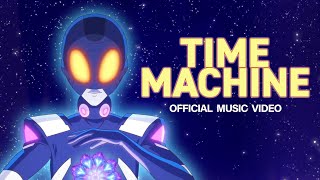
Watch the official Time Machine
music video
The Real Story: Growing Up Changes the Weight of Everything
The verses connect everyday details to larger themes. The first half focuses on lost innocence. Things that once brought easy joy now seem distant. The song contrasts childhood freedom with the pressure to perform, earn, and look successful.
One especially sharp line points to social media culture through gettin' likes
. The phrase is short, but the idea is big. It suggests a life where validation comes from screens and appearance rather than real experiences.
The song then counters that emptiness with simple images: riding a bike, getting comfort from family, and enjoying ordinary moments. Those images matter because they are so basic. AREA21 are not talking about huge achievements. They are saying meaning often lives in the smallest parts of a day.
A Small Turn That Changes Everything
The most important part of the song is not the sadness. It is the reversal in the final section.
Instead of repeating the same wish forever, the narrator grows. The lyric shifts from wanting to go back to saying I don't need
a machine after all. That change turns the song from nostalgia into a lesson.
one day these'll be our memories
Wow, I really love these days
This is the emotional center of the track. The singer realizes the current moment is not just something to survive. It is the future’s "good old days."
How the Chorus Reframes the Meaning of Time Machine AREA21
The chorus works like a before-and-after mirror. Early on, it sounds trapped in longing. By the end, the same idea has matured.
Interpretation: this structure suggests that memory itself is not the enemy. The real danger is failing to notice joy while it is happening. The title promises fantasy, but the song’s answer is practical: pay attention now.
That is why the hook feels so accessible. They take a sci-fi image and use it to explain a very human problem. Everyone wants a redo sometimes. AREA21’s twist is that the song finds hope without getting the redo.
Sound, Mood, and Why the Message Feels Warm
The production supports that emotional shift. AREA21 often blend upbeat electronic textures with playful vocal delivery, and "Time Machine" follows that pattern. Its bright synth-pop and dance-pop energy keeps the song from sinking into heavy regret.
That matters because a darker arrangement would have made the lyrics feel defeated. Instead, the beat gives the track motion. It feels reflective, but not stuck.
The vocals also help. The delivery is conversational in the verses, almost like someone thinking out loud about how life changed. Then the hook becomes broad and catchy, which makes the message feel communal rather than private. Listeners are invited to remember their own childhood, not just the narrator’s.
Artist Context Makes the Song Even Clearer
AREA21 have always leaned into big, universal themes through a playful lens: space travel, identity, freedom, and connection. In that context, "Time Machine" fits well. It takes a futuristic image and turns it into a simple emotional truth.
That choice also matches Martin Garrix’s pop instincts. Many of his best-known songs balance emotional directness with polished, uplifting production. Maejor’s writing and melodic style add warmth and looseness, which keeps the song from feeling too polished or cold.
Interpretation: the duo seem less interested in perfect storytelling than in emotional recognition. The lyrics are straightforward on purpose. They want the listener to instantly recognize themselves in the song.
Two Strong Ways to Read the Song
There are at least two useful readings of the track:
- A song about childhood nostalgia. This is the most obvious reading. It looks back at carefree years and mourns how adulthood complicates life.
- A song about mindfulness. The ending argues that today deserves attention because it will become tomorrow’s memory.
The second reading is what lifts the song above a simple "remember when" anthem. It says growing up does not only take things away. It also teaches people how to hold on to what still matters.
Why It Connects So Easily
The meaning of Time Machine AREA21 is easy to feel because it uses ordinary details instead of abstract poetry. Nearly everyone knows what it is like to miss childhood, feel overwhelmed by modern life, or suddenly realize that the present is passing fast.
That is why the song works. It begins with loss, but it does not end there. It argues that memory should not only make people sad. It should teach them how to treasure the life they are living now.
Disclaimer: This interpretation is based on the released lyrics, credits, and public artist context. As with any song, listeners may hear meanings that differ from this reading.







