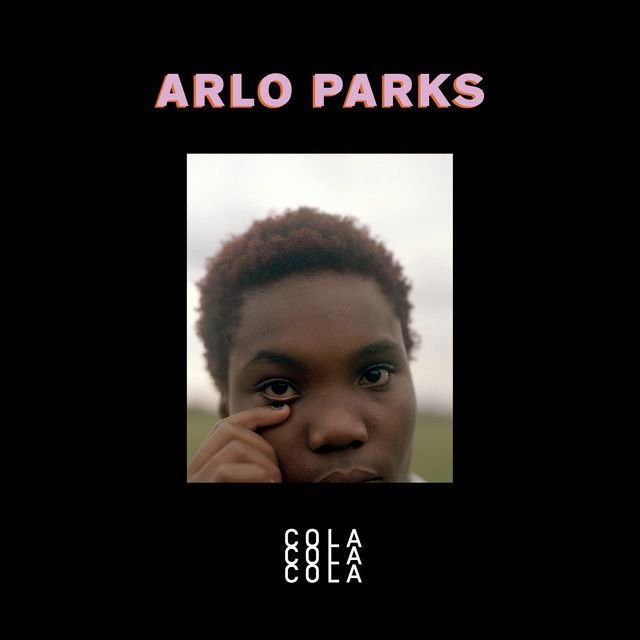
Why ‘Cola’ by Arlo Parks Hurts So Quietly
Arlo Parks’ debut single sounds gentle, but its feelings are not. The meaning of Cola Arlo Parks comes from that contrast: a soft, dreamy track that tells a sharp story about betrayal, jealousy, memory, and the strange way heartbreak keeps sweetness and anger side by side.
"Cola" - Arlo Parks
Lead me to my own devices
It's better when your Coca Cola eyes are outta my face
Loading lyrics...
Unable to load lyrics
We're unable to display the lyrics at this time. Please try again later.
Released as Parks’ first official single, “Cola” introduced the poetic style that would define their early work. The Line of Best Fit described it as a showcase for their “poetic, human songwriting,” built around delicate vocals, softly moving guitars, and even a vinyl-like crackle in the background. In the same piece, Parks explained the song in blunt terms: betrayal happens with “pretty people” who think flowers can fix damage. That idea sits at the center of the track.
The Breakup Story Beneath the Warm Sound
At the most basic level, “Cola” is about someone processing a partner’s cheating. The speaker has already found proof, and the relationship is emotionally over. Still, they are not fully free of it.
That is why the opening lands so hard. The song starts with distance and irritation, then quickly moves into discovery. When the speaker mentions checking a phone and finding exactly what they feared, the track shifts from suspicion to certainty. The title image of Coca Cola eyes
suggests a look that is sweet, fizzy, and attractive on the surface. But it also hints at artificial shine. This person dazzles, then disappoints.

Watch the official Cola
music video
Not Over It, Even While Saying They Are
One of the smartest things in the song is its emotional contradiction. The speaker insists they no longer care, yet almost every detail proves they still do. That tension is the real engine of the song.
The chorus circles around the idea of the ex runnin' 'round over there
. On one level, that line is dismissive. The speaker pushes the ex away, almost waving them off. But repetition makes it sound obsessive too. If they truly did not care, they would not keep returning to the image.
Interpretation: this is a song about trying to talk themself into indifference. The repeated claim of emotional distance sounds less like peace and more like self-protection.
Small Memories Make the Hurt Feel Real
Many breakup songs stay broad. “Cola” gets specific, and that is why it feels lived-in. Parks fills the verses with ordinary, vivid snapshots: a shirt in the rain, grapes at a party, the look of punk clothes, the chaos around a drink-fueled argument.
Those details matter because heartbreak is rarely just about the betrayal itself. People miss routines, textures, and style. In one of the song’s most revealing moments, the speaker admits they miss the ex’s look, including the way you dressed all punk
. That confession makes the song more human. They are not only mourning trust. They are mourning a whole atmosphere.
The Gerard Way reference deepens that feeling. It places the memory in a very specific emotional world: emo, dramatic, youthful, a little theatrical, and deeply sincere. Parks has spoken publicly about loving emo music and about feeling outside neat identity boxes in their teens, also in The Line of Best Fit. That background helps explain why “Cola” mixes cool observation with intense feeling.
Flowers, Orchids, and Empty Apologies
The song’s strongest symbol may be the flowers. When the speaker says take your orchids
, they reject more than a gift. They reject the whole logic of apology through gestures.
Flowers often stand for romance, beauty, and repair. Here, they become evidence of shallowness. Pretty things cannot undo broken trust. This fits Parks’ own summary of the song: some people believe beauty and charm can cover harm. “Cola” says they cannot.
I loved you to death
And now I don't really care
This is the song’s one big emotional pivot. First comes the scale of past devotion. Then comes the attempted shutdown. Put together, the lines show how love can flip into numbness, or at least the performance of numbness.
How the Production Carries the Meaning
The sound of “Cola” is crucial to its message. Rather than exploding with anger, the production stays restrained. Guitars move gently. The rhythm plods instead of rushing. Parks’ vocal is close, soft, and almost conversational.
That choice matters. A louder arrangement might have turned the song into a revenge anthem. Instead, the muted production keeps it in the space of private thought. The listener hears someone replaying scenes in their head, not putting on a dramatic show. The vinyl crackle described in early coverage adds nostalgia, like a memory already wearing down around the edges.
Interpretation: the calm sound mirrors emotional shock. Sometimes betrayal does not sound like shouting. Sometimes it sounds tired, clear-eyed, and quietly wounded.
Why “Cola” Still Connects
Part of the meaning of Cola Arlo Parks is that heartbreak is messy even when the facts are simple. Someone cheated. The speaker knows it. They want out. But leaving does not erase attachment right away.
That is why the song still resonates. It understands an awkward truth: people can reject someone and still miss their T-shirt, their posture, their party habits, even their fake charm. Parks captures the stage after trust breaks but before memory fades.
Final Take on the Song’s Message
“Cola” is a breakup song about the split between what someone knows and what they still feel. Factually, the relationship is over. Emotionally, the speaker is still sorting through anger, longing, and pride.
In that sense, the song is not just about cheating. It is about the humiliating leftovers of love: the details that stay, the symbols that sour, and the effort to sound stronger than they feel.
Disclaimer: This article offers a grounded interpretation based on the lyrics, public comments, and the recording itself. Like any song, “Cola” can support more than one reading.









