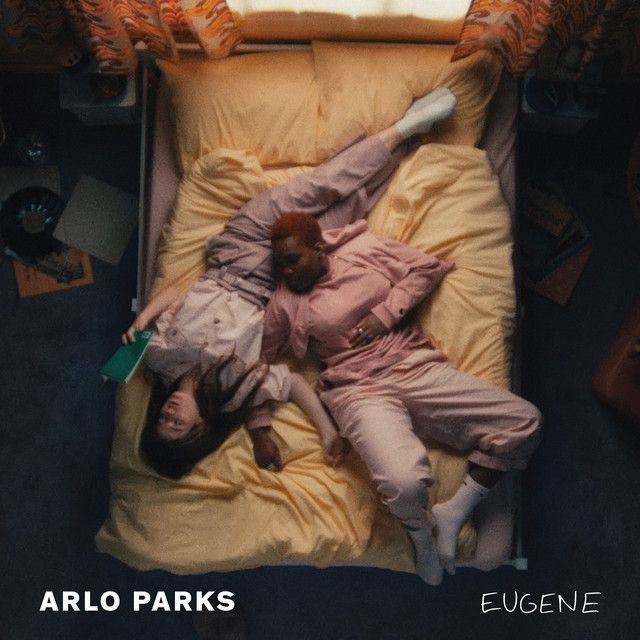
Why 'Eugene' Hurts So Quietly
The meaning of Eugene Arlo Parks comes down to one of the hardest feelings to name: realizing a friendship is no longer only a friendship in their heart. "Eugene" is a soft, intimate song about jealousy, confusion, and the pain of watching someone they love become close to someone else. What makes it powerful is that Arlo Parks does not turn that feeling into a big scene. They make it sound private, almost embarrassed, which is exactly why it lands.
"Eugene" - Arlo Parks
I had a dream we kissed
And it was all amethyst
Loading lyrics...
Unable to load lyrics
We're unable to display the lyrics at this time. Please try again later.
A Friendship That Stops Feeling Simple
At its core, the song follows a narrator who has known this person since they were young. That history matters. The lyrics describe years of comfort and care, including small acts of looking after each other. When that kind of bond exists for a long time, feelings can become hard to separate.
The key emotional turn comes when the narrator admits they fell half in love
. That phrase is important because it sounds unsure on purpose. They are not making a grand declaration. They are trying to explain a feeling that caught them off guard.
Interpretation: the song is less about a clear love triangle than about the shock of discovering their own attachment too late.
Watch the official Eugene
music video
The Real Conflict Is Being Replaced
The title points to Eugene, but the song is really about what Eugene represents. He is the person who enters an existing bond and changes its balance. The narrator is not only upset that their friend likes someone else. They are hurt because shared habits and private rituals now belong to another person.
When Parks writes about seeing the friend with him, the pain is physical. The line about it burns
and sitting deep in the throat shows jealousy as something the body carries, not just the mind. Then the song gets more specific: records once shared and books once exchanged are now part of another romance.
That is why the mention of our thing
cuts so deeply. The narrator is mourning exclusivity. They are watching a personal language become ordinary.
How the Verses Build the Story
The song moves in a clear emotional sequence:
- It opens in a dreamlike state, full of color and attraction.
- It returns to the real world, where the two have been close
since thirteen
. - The narrator watches that closeness shift toward Eugene.
- The chorus becomes a shaky confession full of guilt and longing.
That structure matters. The dreamy first verse suggests desire before the narrator can even explain it. Then the details of friendship make the later jealousy feel more painful, because this is not a crush on a stranger. It is a fracture inside an old bond.
We've been best buds since thirteen
But that don't change the things I feel
Those lines are the emotional center of the song. They summarize the whole conflict: long history cannot cancel new desire.
What Arlo Parks Has Said About It
Parks has explained that the song was meant to stay open-ended. In The FADER, they said it is about “complicated feelings” toward someone known for a long time and that it is “not necessarily in a romantic sense.” They also described it as the feeling of being left out or not getting the right kind of love from someone they care about.
That comment broadens the song. It supports a romantic reading, but it also suggests a more general emotional displacement. Someone can feel jealous not only because they want romance, but because intimacy itself is being redirected.
Interpretation: this ambiguity is the song's real strength. It lets listeners hear queer longing, friendship grief, or both at once.
Why the Production Sounds So Gentle
Part of the meaning of Eugene Arlo Parks comes from how the record sounds. Parks wrote the song with Gianluca Buccellati, and the production is light, airy, and restrained. Instead of a dramatic build, the track floats forward on soft guitar, subtle rhythm, and a conversational vocal style.
That calm surface does two things. First, it mirrors the way people often hide jealousy behind politeness. Second, it keeps the song from becoming bitter. Even when the narrator says I hate that son of a bitch
, the performance still feels wounded more than cruel.
This is one reason the song connects so strongly. The arrangement understands that envy is often quiet. It lives in pauses, swallowed words, and things they wish they had not noticed.
The Video Turns Emotion Into a Physical Space
The song's 2020 video, directed by Loyle Carner and Ryan Coyle-Larner, adds another useful layer. According to The FADER, the video uses a bed as a metaphor for closeness that starts to break apart when Eugene arrives. The directors said they wanted the story to remain relatable and open to interpretation.
That image fits the lyrics perfectly. A bed can suggest friendship, safety, intimacy, or romance. By showing that shared space literally split, the video makes visible what the song only hints at: the pain of no longer knowing what they are to each other.
Why the Song Feels So Honest
What makes “Eugene” special is not just its sadness. It is the narrator's self-awareness. They know they have been acting strangely. They know their feelings may be unfair to place on a friend. They are jealous, but they are also ashamed of that jealousy.
That mix gives the song maturity. It does not pretend that desire automatically makes someone noble or wronged. It shows how love can arrive late, stay undefined, and still hurt like a breakup.
The Lasting Meaning of "Eugene"
In the end, the meaning of Eugene Arlo Parks is about emotional misalignment. One person thinks a bond is changing into love, while the other may simply be moving on, or giving their affection elsewhere. The result is grief without closure, because nothing official was ever promised.
That is why the song remains so affecting. It captures a kind of heartbreak many people know but rarely describe well: losing a place in someone's inner life.
Disclaimer: This interpretation combines lyrical analysis with publicly available artist commentary. Like Parks intended, the song remains open to more than one reading.








