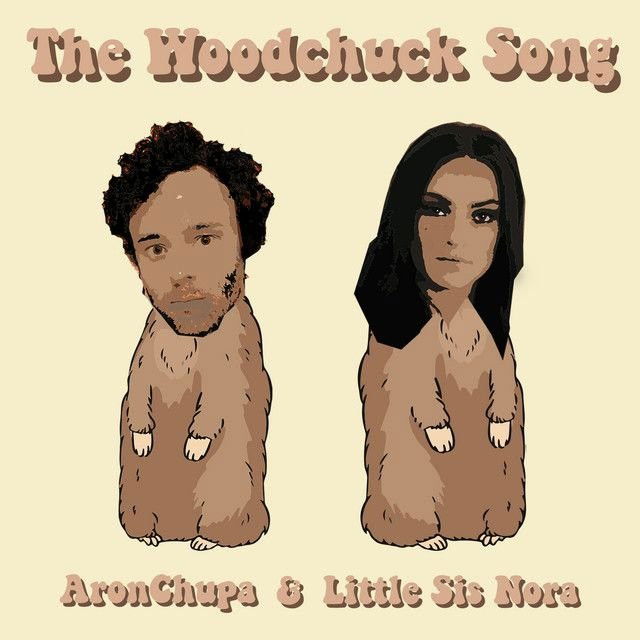
Why 'The Woodchuck Song' Is Smarter Than It Looks
The meaning of The Woodchuck Song AronChupa, Little Sis Nora starts with a joke, but it does not end there. On the surface, the track turns a famous tongue twister into a loud, silly dance hook. Under that playful surface, though, it also builds a cartoon world about swagger, rebellion, and chaos.
"The Woodchuck Song" - AronChupa, Little Sis Nora
If a woodchuck could chuck wood?
Woodchuck could chuck wood
Loading lyrics...
Unable to load lyrics
We're unable to display the lyrics at this time. Please try again later.
AronChupa and Little Sis Nora have made a career out of songs that sound absurd on purpose. Their breakout hit, "I'm an Albatraoz", proved that novelty, heavy dance production, and oddball characters could connect with a huge audience. Released in 2020, "The Woodchuck Song" continued that formula and later earned platinum certification in Sweden, while also reaching No. 12 on Spotify's Sweden Viral 50 according to AronChupa's discography. That context matters: this is not meant to be a confessional ballad. It is a performance piece built for energy first.
The Real Idea Beneath the Tongue Twister
At its core, the song is about turning nonsense into attitude. The repeated woodchuck question works less like a message and more like a chant. By saying it again and again, the track turns a children’s rhyme into something hypnotic and club-ready.
That matters because repetition is the whole trick. The hook is familiar, funny, and easy to shout along with. But once the verses arrive, the mood changes. Suddenly the song is not just about a woodchuck. It is about a wild persona who is flashy, dangerous, and hard to catch.
Interpretation: the song plays with the gap between innocence and menace. A harmless schoolyard phrase becomes the entry point for a bigger fantasy about power and disorder.

Watch the official The Woodchuck Song
music video
A Cartoon Outlaw Takes the Mic
The verses introduce a speaker who sounds larger than life. They brag about style with diamonds on my shoes
and admit to having a temper like a fuse
. Those quick images tell listeners this character is glamorous but unstable.
There is also a playful outlaw streak. The Robin Hood reference suggests theft, but in a mischievous, fairy-tale way instead of a realistic crime story. This keeps the song in cartoon territory. The singer is not presented as a real criminal so much as a dance-pop antihero.
They try to catch me
a villain on the run
This is the clearest moment in the lyric. The character sees themself as hunted, dramatic, and proudly untrustworthy. Even the line about not being someone to trust pushes that image further. The song does not ask listeners to admire moral goodness. It asks them to enjoy the thrill of a bold, unruly character.
How the Hook and Verses Work Together
The smartest part of the writing is the contrast between the chorus and the verses. The hook is nonsense by design. The verses are about ego and danger. Put together, they create a song that feels both childish and chaotic.
That split is a big part of the meaning of The Woodchuck Song AronChupa, Little Sis Nora. The woodchuck chant lowers the stakes and invites laughter. The verses then add bite. Because the hook is so ridiculous, the darker lines never feel truly threatening. They feel theatrical.
Why Repetition Is the Point
The hook uses overkill on purpose. Hearing woodchuck could chuck wood
so many times creates a trance effect. In a dance track, that kind of loop matters more than narrative detail.
Instead of telling a full story, the song uses repetition as momentum. The words become percussion. The listener stops asking what the phrase means and starts feeling how it moves.
Sound First, Meaning Second — But Meaning Is Still There
Production is central here. AronChupa comes from electronic dance music, and this track is built like one of his novelty bangers: hard beats, quick vocal cuts, and a rhythm that turns language into a toy. The tongue twister works because its consonants hit sharply against the beat.
Little Sis Nora's delivery also shapes the meaning. She often sounds half-singing, half-commanding, which gives the song its bratty confidence. When the lyric tells people to stop, listen, and move, the performance makes those lines feel like orders from a ringmaster.
Interpretation: the production suggests that the song is less interested in realism than in transformation. Ordinary words become chant. A nursery-style phrase becomes a rave weapon. That change is the joke and the artistic point.
Themes Hidden in the Chaos
Three themes stand out:
- Absurdity as freedom: The song refuses seriousness and finds power in silliness.
- Performance and persona: The speaker is a role, not a diary entry.
- Controlled chaos: The lyrics sound reckless, but the track is tightly designed for maximum catchiness.
The wood and forest imagery also support the song's strange little universe. Lines about being good in the woods and facing an endless lumber stack
keep everything tied to the title image. Even when the words become darker, they still belong to that exaggerated woodland setting.
Alternate Ways to Read It
One reading is simple: this is a pure novelty song, made to be funny and unforgettable. That reading fits the duo's history, their visual style, and the track's viral-ready hook.
Another reading is that it gently mocks pop bravado. By placing boastful, aggressive lines inside such a goofy concept, the song may be parodying how overblown pop personas can be. The swagger is real, but it is also knowingly ridiculous.
Both readings can be true at once. That is part of why the song works.
Final Take on the Song's Meaning
The meaning of The Woodchuck Song AronChupa, Little Sis Nora is not hidden in a deep plot. It lives in the collision between nonsense and menace, between a playground chant and a rebellious dance character. The song turns a tongue twister into a miniature world of swagger, mischief, and noise.
That is why it sticks. It sounds disposable at first, but it is carefully built to feel funny, catchy, and slightly unhinged all at once.
Disclaimer: This article offers an interpretation based on the lyrics, performance, and available artist context. Songs can support more than one meaning.








