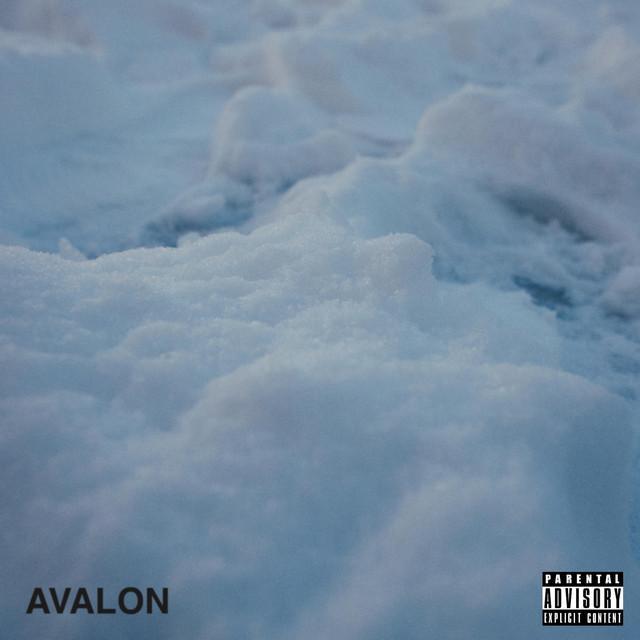
Bizarre by Art Morera
A Confession Disguised as a Performance
The meaning of Bizarre Art Morera begins with tension: the song sounds like a rap performance, but underneath it, they present a diary of distress. The speaker moves through public space, memory, addiction, anger, shame, and spiritual doubt. Instead of building toward triumph, the track stays trapped inside a mind that cannot rest.
"Bizarre" - Art Morera
Window shoppin', just wanna grab a gun and ...
I can't so I won't
Loading lyrics...
Unable to load lyrics
We're unable to display the lyrics at this time. Please try again later.
Factually, the song is credited to Arthur Morera. Based on the lyric sheet provided, there are no confirmed outside features or production credits available here. That matters because the song feels intensely self-contained, almost like a private monologue made public.
What the Song Is Really About
At the broadest level, this track is about a person trying to understand their own darkness before it spills outward. Early lines place them on a bus, looking out at the world, but that ordinary moment quickly turns ugly. They do not just feel sad; they feel alienated, volatile, and frightened by their own thoughts.
One key idea is the gap between inner pain and outer behavior. When the speaker says I can't so I won't
, they are not sounding calm. They are describing restraint, as if harmful impulses exist but are being held back. That makes the song less about action than about the exhausting work of stopping action.
Another major theme is failed communication. They wish someone would ask what is wrong, but they also admit they keep assuming instead of speaking. The result is isolation. Even prayer does not feel comforting; when they reach upward, the sky turns bleak instead of clear.
The Voice in the Song: Self-Hatred and Self-Awareness
A striking part of the meaning of Bizarre Art Morera is how honest the narrator is about emotional contradiction. They admit that anger at others can be misplaced anger at the self. When they confess I hate myself
, they expose the root under the hostility.
That self-awareness does not solve the problem, though. It only makes the song more painful. They can identify the pattern, but they still feel stuck inside it.
This is why the song lands so hard: the speaker is not pretending innocence or control. They know they are unstable in the moment, and that awareness becomes its own burden.
Relationships, Memory, and the Pull of the Past
The lyrics briefly narrow from general despair into a personal loss. They miss a woman’s appearance, but more revealingly, they also miss the criticism she gave them. That is a brutal detail. It suggests they are so used to being diminished that even a damaging relationship can feel familiar and comforting in memory.
Interpretation: this section can be read two ways:
- They are grieving a real relationship and cannot move on.
- They are showing how low self-worth makes harmful intimacy feel normal.
The later line about the past looking back at them reinforces that idea. Memory in this song is not nostalgic. It is active, almost hostile. The past is not gone; it watches.
Why the Chorus Laugh Matters
The hook is built around laughter and the phrase check out this bizarre
. On the surface, it sounds theatrical, even playful. But after the heavy verses, that laugh feels nervous and uncanny.
Ha ha ha ha ha
check out this bizarre
Paraphrased, the chorus turns pain into a spectacle. It is as if the speaker is pointing at their own unraveling and presenting it as style. That is what makes the chorus effective: it frames suffering as performance, which mirrors how many people hide serious pain behind jokes, irony, or artistic bravado.
Images That Carry the Meaning
Several recurring images sharpen the song’s themes:
Public spaces, private collapse
The bus window and window-shopping image place them in everyday life. The outside world is moving normally, while their inner world is spiraling.
Religion and silence
They talk to God, but hear no clear answer. Later, they mention whispers they cannot fully receive. This suggests spiritual hunger without peace.
Substances and loss of control
Alcohol and weed are not glamorous here. They are tied to fear, disorientation, mugshots, and the possibility of harm. The song rejects intoxication as escape.
Humor as camouflage
Near the end, the line laugh with me
sounds less inviting than desperate. The joke is not a release. It is a warning label.
How the Sound Likely Supports the Lyrics
Even without full confirmed production notes, the writing strongly suggests an intimate hip-hop setting: dense rhyme chains, close-mic delivery, and a beat that leaves room for the words. The internal rhymes and sharp pivots give the song a restless pulse. It likely works best with minimal instrumentation, because the real pressure comes from the voice.
That voice appears to move between flat confession and bitter punchline. This contrast is central to the song’s effect. If the beat is sparse, that emptiness would fit the themes of isolation and intrusive thought. If the laugh is emphasized in the mix, it would deepen the unsettling mood.
A Song About Witnessing the Mind in Crisis
The clearest reading of the meaning of Bizarre Art Morera is that the song documents a mind in crisis while still trying to stay accountable. They fear violence, despair, addiction, and self-destruction, yet they keep naming those fears instead of glamorizing them.
The most revealing line may be suicide note
, because it shows their frustration with being consumed as content. They worry that listeners may treat confession as quotable art instead of hearing the emergency inside it.
That makes "Bizarre" more than a dark rap track. It is a song about what happens when honesty becomes both survival tool and public exhibit.
Final Take
Art Morera’s song is powerful because it never settles into one mood. It is wounded, self-aware, funny, frightening, and deeply lonely at once. The title fits: the song captures how bizarre it feels when a person can describe their pain clearly and still not know how to escape it.
Disclaimer: This interpretation is based on the lyrics provided and limited available context. As with any song, listeners may hear different meanings depending on their own experiences.







